Zone Planning for Urban Microclimates
Understanding Urban Microclimates: The Foundation of Zone Planning
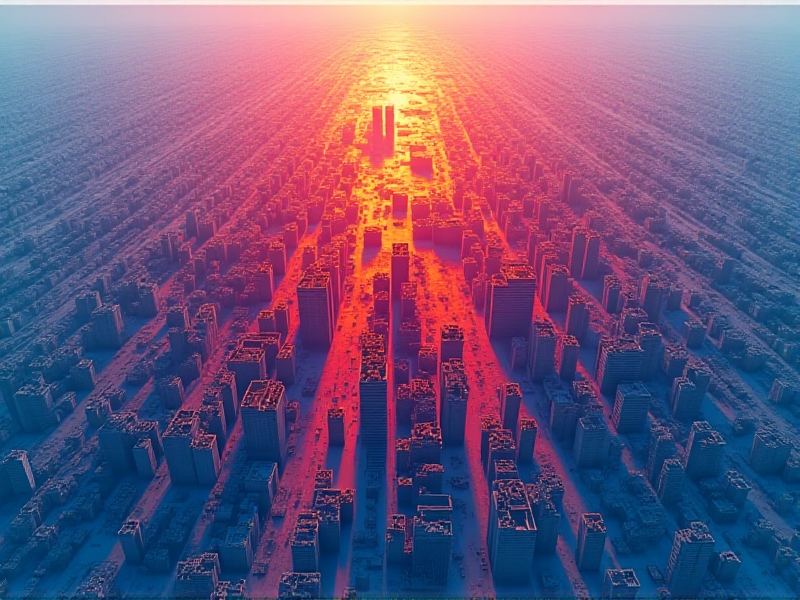
Urban microclimates are localized atmospheric conditions shaped by buildings, vegetation, water bodies, and human activity. These micro-environments can differ drastically from surrounding rural areas due to the urban heat island effect, where concrete and asphalt absorb and re-radiate heat. Effective zone planning begins with mapping these variations to identify hotspots, cool corridors, and areas prone to flooding or poor air quality. Advanced tools like GIS mapping and satellite thermal imaging enable planners to visualize microclimate patterns, ensuring interventions are data-driven and precise.
The Science Behind Zone Planning: Balancing Ecology and Infrastructure
Zone planning integrates climatology, ecology, and urban design to mitigate adverse microclimatic effects. For instance, strategic placement of green roofs and permeable pavements can reduce surface temperatures by enhancing evaporation. Computational fluid dynamics (CFD) models simulate wind flow around buildings, guiding designs that optimize natural ventilation. This scientific approach ensures cities function symbiotically with natural systems, minimizing energy consumption for cooling while improving residents’ comfort.

Strategic Green Infrastructure Design: From Parks to Vertical Forests
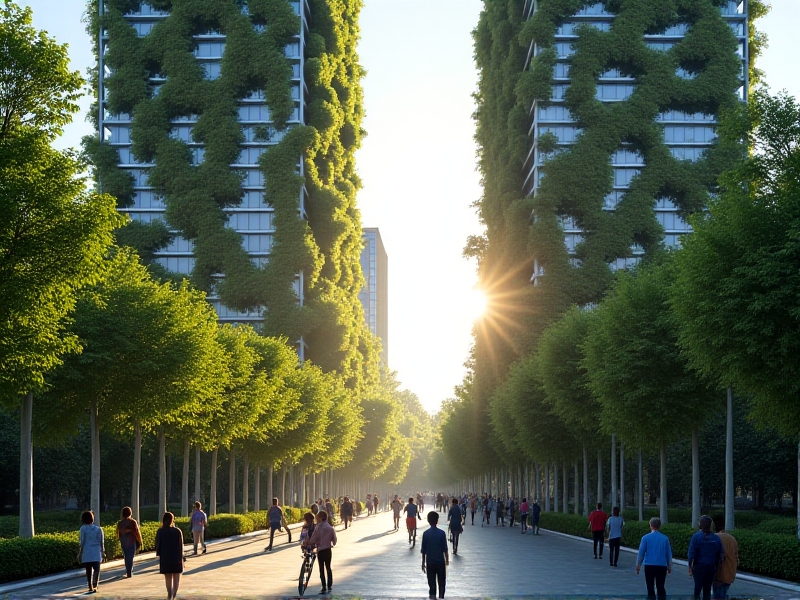
Green infrastructure—such as urban forests, bioswales, and green walls—plays a pivotal role in microclimate regulation. Milan’s Bosco Verticale, a pair of high-rises adorned with 20,000 plants, demonstrates how vertical greenery can sequester carbon, filter pollutants, and shade interiors. At street level, pocket parks lined with native drought-resistant species provide cooling oases without straining water resources. These solutions require careful zoning to align with existing infrastructure and community needs.
Material Innovation for Thermal Regulation: Cool Pavements and Reflective Surfaces
Traditional construction materials exacerbate urban heating, but innovations like cool pavements and photochromic coatings offer relief. Cool pavements, made with reflective or permeable materials, can lower surface temperatures by up to 10°F. In Los Angeles, coated streets have reduced nearby building cooling costs by 30%. Zoning codes must incentivize such materials in high-impact areas like parking lots and arterial roads.

Water Management and Urban Cooling: Harnessing Hydrology
Water bodies and engineered wetlands act as natural air conditioners. Tokyo’s floodable plazas double as public spaces during dry seasons and stormwater reservoirs during rains, reducing runoff while cooling the air. Zone planning must protect existing water features and integrate artificial ones, like misting systems in transit hubs, to combat heat in densely built areas.
Policy Frameworks and Community Engagement: Building Climate-Resilient Neighborhoods
Effective zone planning requires policies that mandate microclimate considerations in development projects. Barcelona’s superblock initiative prioritizes pedestrian zones and green spaces over vehicular traffic, lowering local temperatures. Engaging communities through participatory design ensures solutions reflect cultural values and address socioeconomic disparities in climate vulnerability.
Case Study: Singapore’s Biophilic Urbanism
Singapore’s zoning policies mandate green building certifications and integrate nature into 85% of households via skyrise gardens and park connectors. The result: daytime temperatures in green districts are up to 4°F cooler than non-vegetated areas. This biophilic approach, enforced through stringent zoning, showcases how regulatory rigor and ecological design can coexist.
Challenges in Equitable Microclimate Solutions
Low-income neighborhoods often lack tree cover and green spaces, intensifying heat vulnerability. Zone planning must address these disparities by prioritizing investments in marginalized areas. Phoenix’s Cool Corridors program plants shade trees along bus routes in underserved communities, reducing heat exposure for transit-dependent populations. Equity-focused zoning requires cross-sector collaboration and inclusive funding models.
Technological Tools for Precision Planning: AI and IoT Sensors
AI algorithms analyze vast datasets to predict microclimate changes under different zoning scenarios. In Seoul, IoT sensors monitor real-time temperature, humidity, and pollution levels, enabling adaptive management of green spaces. These technologies empower planners to test virtual models before implementing physical changes, optimizing resource allocation.
Future Directions in Climate-Responsive Cities
Emerging concepts like dynamic zoning—adjusting land use based on seasonal climate patterns—could revolutionize urban planning. Imagine rooftops that switch between solar panels and gardens depending on the month. Coupled with decentralized renewable energy systems, such innovations will redefine how cities adapt to a warming world, making resilience a core tenet of urban life.