Vertical Food Forest Design Principles
Introduction to Vertical Food Forests: A Modern Approach to Edible Landscaping
Vertical food forests reimagine traditional gardening by layering edible plants in three-dimensional spaces. This method draws inspiration from natural forest ecosystems, where plants grow in interconnected tiers to maximize sunlight, nutrients, and space. Unlike conventional gardens, vertical systems use walls, trellises, stacked planters, or repurposed structures to create dense, productive gardens in urban and small-scale settings. Historically, indigenous cultures practiced agroforestry, but modern vertical food forests adapt these principles for balconies, rooftops, and even indoor spaces. By integrating ecology with design, this approach addresses food security, biodiversity loss, and urban heat islands—all while transforming underutilized spaces into thriving green havens.
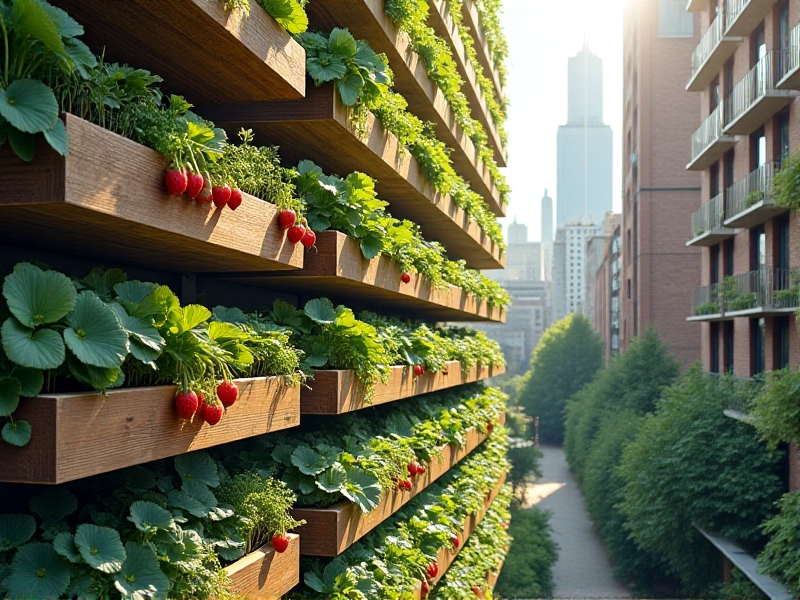
The Benefits of Vertical Food Forests: Beyond Space Efficiency
Vertical food forests offer more than just space-saving solutions. They enhance biodiversity by hosting a variety of plants, pollinators, and beneficial insects in a compact area. This diversity naturally reduces pests and diseases, minimizing the need for chemical interventions. These systems also improve air quality and sequester carbon, contributing to climate resilience. For urban dwellers, they provide fresh, hyperlocal produce and foster a connection to nature. Economically, vertical gardens reduce grocery bills and can even generate income through surplus harvests. Socially, they transform sterile urban environments into community hubs where knowledge and resources are shared. By mimicking natural ecosystems, vertical food forests create resilient, self-sustaining landscapes that benefit both people and the planet.
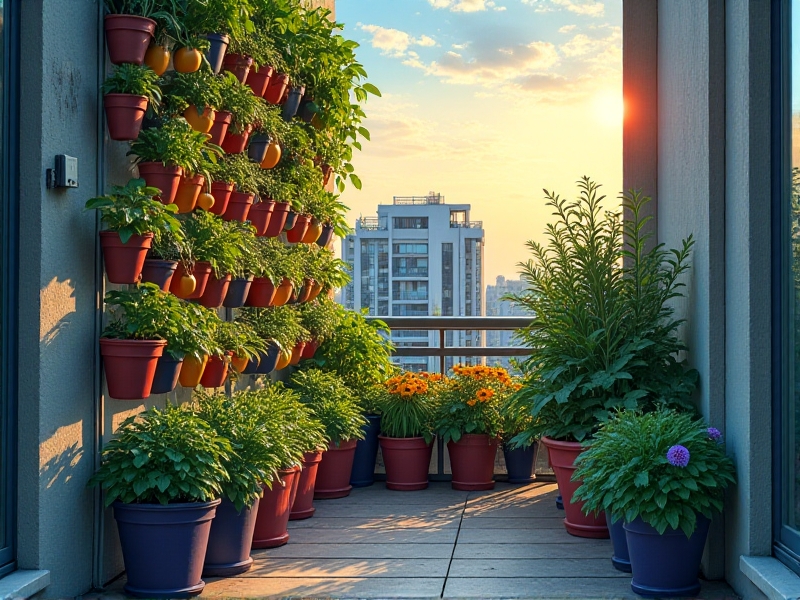
Choosing the Right Location: Sunlight, Wind, and Accessibility
Site selection is critical for a successful vertical food forest. Sunlight dictates plant choices: south-facing walls in the Northern Hemisphere receive the most light, ideal for sun-loving crops like tomatoes and peppers. Wind exposure can dry out plants or damage structures, so consider windbreaks like trellises with hardy vines. Accessibility ensures easy maintenance—install systems at reachable heights and near water sources. Urban settings may require creative solutions, such as reflective surfaces to amplify light or shade-tolerant plants like mint for dimmer areas. Assess microclimates: walls absorb heat, creating warmer zones for tender plants, while shaded areas suit leafy greens. Always test soil or growing media for drainage and nutrients before installation.
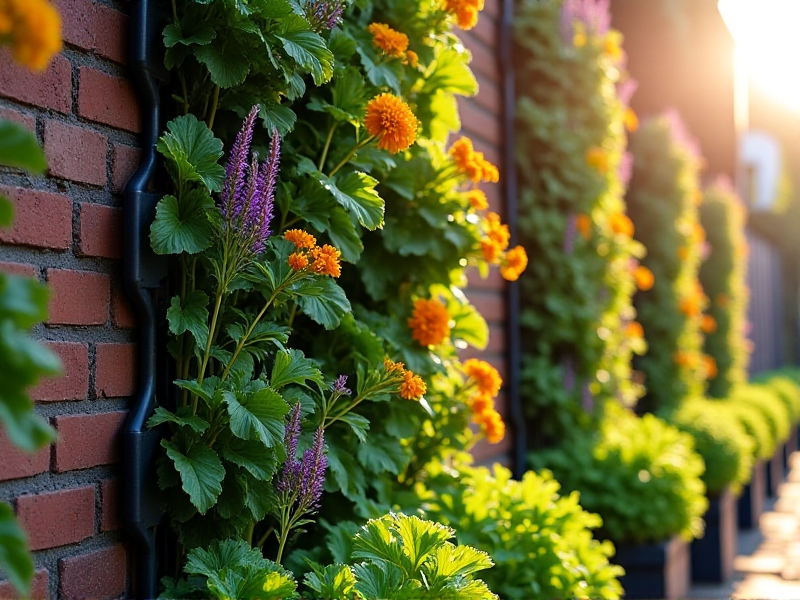
Structural Design Principles: Building for Stability and Growth
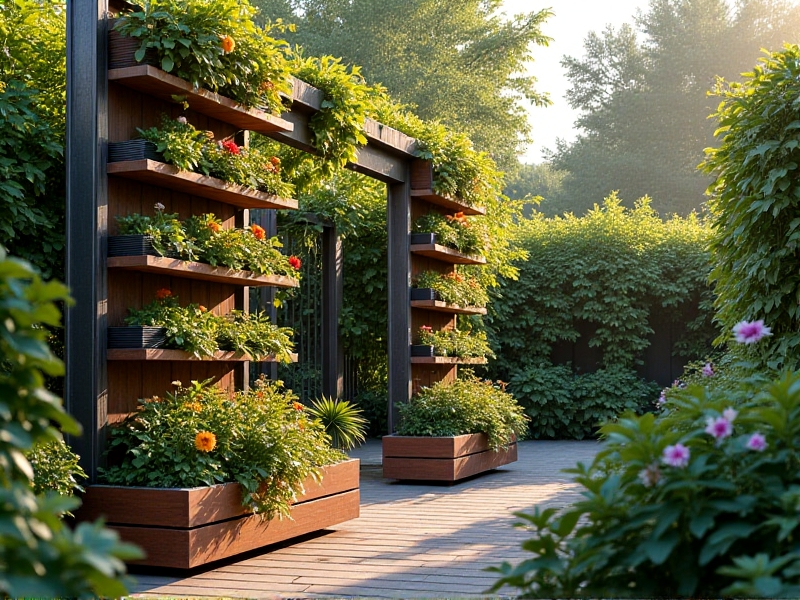
A robust framework is the backbone of any vertical food forest. Materials must withstand weather and plant weight: use pressure-treated wood, galvanized metal, or UV-resistant plastics. Tiered systems distribute weight evenly, with deeper planters at the base for root-heavy crops like potatoes. Modular designs allow flexibility—stackable units can expand as plants mature. Incorporate trellises for climbers like beans or cucumbers, ensuring they’re anchored securely. Hydroponic or aeroponic systems suit tech-driven setups, while soil-based designs emphasize organic matter. Always prioritize safety: secure structures to walls or foundations to prevent tipping. Aesthetic cohesion matters too—curved lines or geometric patterns can blend functionality with visual appeal.
Plant Selection and Guilds: Crafting Symbiotic Relationships
Vertical food forests thrive on plant guilds—groups of species that support one another. Start with a central plant, like a dwarf fruit tree, then underplant with nitrogen-fixers (clover), pest-repellents (marigolds), and groundcovers (strawberries). Vining crops (peas) can climb taller plants, while herbs like basil deter pests and attract pollinators. Choose compact varieties: columnar apples or bush cucumbers save space. In shady sections, opt for leafy greens (spinach) or medicinal herbs (lemon balm). Rotate seasonal crops to maintain soil health and year-round harvests. Avoid aggressive spreaders like mint in shared planters; instead, use confined pockets. Diversity is key: mix flowers, vegetables, and perennials to create a resilient, self-fertilizing ecosystem.
Soil and Irrigation Strategies: Nourishing Vertical Ecosystems
Soil quality in vertical systems requires special attention. Use lightweight, well-draining mixes with compost, coconut coir, and perlite to prevent compaction. Layered “lasagna” gardening—alternating organic matter and mulch—builds fertility over time. Drip irrigation with timers ensures consistent moisture, reducing water waste. Self-watering planters with reservoirs are ideal for busy gardeners. Rainwater harvesting systems can be integrated into vertical setups, channeling runoff from roofs to planters. For hydroponic systems, monitor pH and nutrient solutions regularly. Mulching retains moisture and suppresses weeds; use straw or leaf litter. Avoid synthetic fertilizers, which can harm microbial life—opt for compost tea or worm castings instead.
Maintenance and Pest Management: Sustaining Health and Productivity
Regular upkeep ensures long-term success. Prune overcrowded branches to improve air circulation and light penetration. Check for pests like aphids during routine harvests; introduce ladybugs or neem oil as natural controls. Companion planting with garlic or chrysanthemums deters invasive species. Rotate crops annually to prevent soil-borne diseases. In winter, protect tender perennials with frost cloth or move containers indoors. Refresh mulch biannually to replenish organic matter. Monitor irrigation lines for clogs and adjust watering schedules seasonally. Encourage biodiversity by adding bird feeders or insect hotels nearby. A well-maintained vertical food forest becomes more resilient over time, requiring fewer interventions as natural balances establish.
Community and Urban Applications: Growing Together in Small Spaces
Vertical food forests are transforming cities worldwide. Community projects repurpose abandoned walls or parking lots into edible landscapes, fostering social connection and food sovereignty. Schools use them as living classrooms to teach ecology and nutrition. Restaurants incorporate on-site vertical gardens for fresh ingredients and ambiance. In apartments, residents share harvests and gardening tools through co-op models. Cities like Singapore and Berlin offer subsidies for green walls, recognizing their role in cooling buildings and reducing stormwater runoff. These collective efforts prove that even in concrete jungles, vertical food forests can cultivate community resilience and ecological stewardship.