Swale Implementation on Small Lots
Understanding Swales and Their Role in Sustainable Landscaping
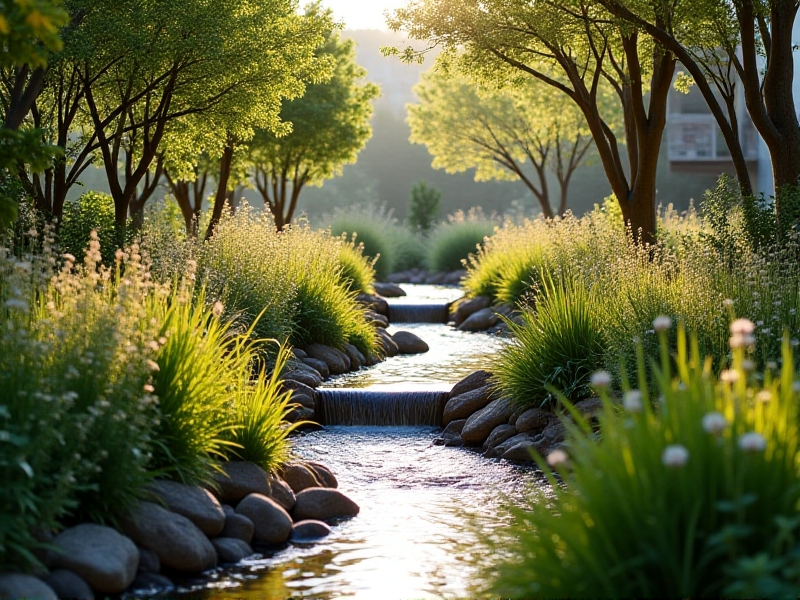
Swales are shallow, vegetated channels designed to manage stormwater runoff by slowing, capturing, and filtering it. Unlike conventional drainage systems that prioritize rapid water removal, swales promote infiltration, reducing erosion and replenishing groundwater. Their gently sloping design includes a berm on the downhill side to temporarily hold water, allowing it to percolate into the soil. For small lots, swales offer a space-efficient way to integrate ecological resilience into landscapes while minimizing impervious surfaces. They also serve as habitats for pollinators and reduce the urban heat island effect through strategic planting.
The Importance of Swales for Small Urban and Suburban Lots
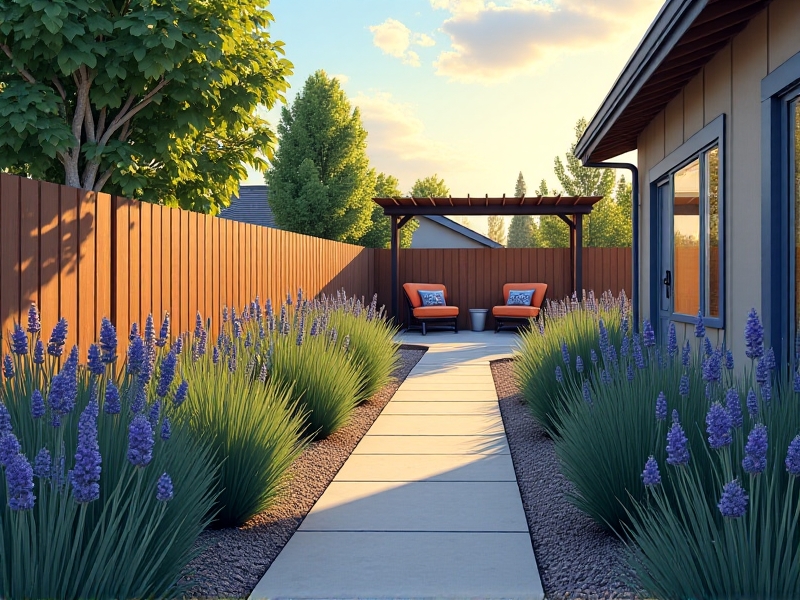
In densely built environments, small lots often struggle with stormwater management. Swales address this by turning runoff from roofs and driveways into a resource. By redirecting water into soil instead of storm drains, they mitigate flooding risks and reduce strain on municipal systems. For homeowners, swales can lower irrigation needs by retaining moisture for plants. They also align with green infrastructure incentives in many cities, offering potential rebates. Beyond practicality, swales enhance curb appeal by adding dynamic, layered landscaping that contrasts with traditional lawns.
Designing a Swale System for Limited Spaces

Effective swale design on small lots begins with analyzing topography. Use a level or smartphone app to identify natural water flow paths. Even a 1-2% slope is sufficient. Curved swales maximize length within tight spaces, increasing water retention time. Pair swales with rain gardens or permeable paving for a holistic system. Depth should be 6-12 inches, with widths tailored to lot size—narrower swales (18-24 inches) work for side yards. Always locate swales at least 5 feet from foundations and avoid utility lines. Aesthetically, use organic shapes and native stones to create visual interest.
Step-by-Step Guide to Installing a Swale on a Small Lot
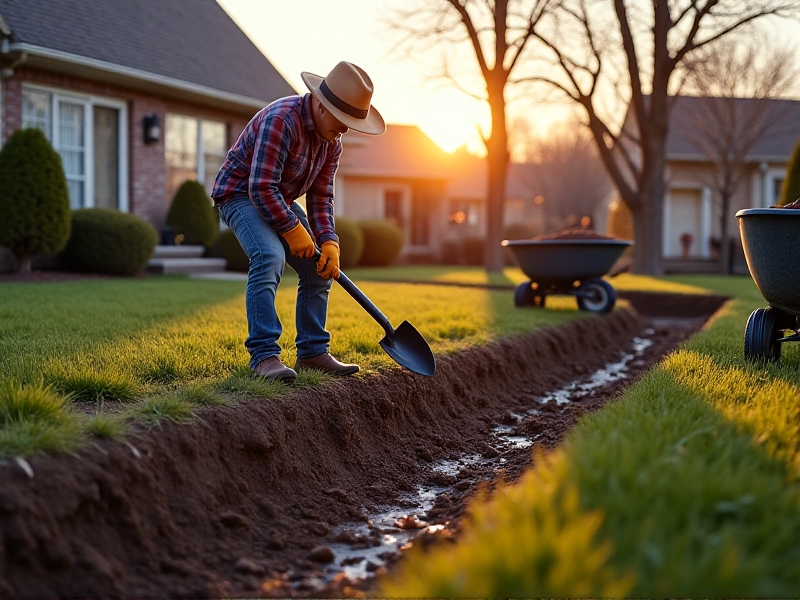
Start by marking the swale’s path with spray paint or garden hose. Excavate the channel, sloping it gradually (1-3%). Build the berm using excavated soil, compacting it lightly. Line the swale with 2-3 inches of coarse mulch to prevent erosion. Add a gravel layer at the inlet to dissipate water force. If space allows, install an overflow outlet leading to a rain barrel or street drain. Plant grasses or perennials immediately to stabilize the soil. For lots with heavy clay, mix in compost to boost infiltration. Test the swale with a hose—water should flow evenly without pooling or breaching the berm.
Selecting Plants for Swales in Compact Environments
Choose plants based on moisture tolerance: drought-resistant species for berms and water-loving varieties near the channel base. Sedges like Carex vulpinoidea handle both wet and dry periods. For seasonal color, plant swamp milkweed or bee balm. Dwarf varieties of shrubs, such as inkberry holly, add structure without overcrowding. Avoid aggressive spreaders like mint. In shaded areas, opt for ferns or astilbe. Group plants in clusters for visual cohesion and easier maintenance. Mulch between plants with coarse wood chips to suppress weeds and retain soil moisture during dry spells.
Maintaining Swales in Tight Quarters: Best Practices
Inspect swales after heavy rains for erosion or blockages. Remove sediment buildup at inlets using a trowel. Prune plants annually to prevent overcrowding—divide perennials every 2-3 years. Replenish mulch as needed to maintain a 2-inch layer. In winter, avoid piling snow on the berm to prevent soil compaction. If water pools for over 24 hours, consider regrading the channel or adding a French drain. For mosquito control, ensure water infiltrates within 48 hours and incorporate mosquito-repellent plants like lemon balm. Documenting seasonal changes with photos helps track long-term performance.
Overcoming Common Challenges in Small Lot Swale Projects
Space constraints often require creative solutions. Use vertical stacking—install tiered swales on sloped lots or incorporate raised berms with built-in seating. For shallow soil, create “cradle” swales using lined basins filled with amended soil. Address neighbor concerns by emphasizing noise reduction (vs. loud downspouts) and offering to extend plantings to their property edges. Check local regulations; some municipalities require permits for swales near property lines. If initial costs are prohibitive, phase the project—install the channel first and add plants incrementally.
Real-World Examples: Successful Swale Implementations
In Portland, Oregon, a 0.1-acre lot reduced stormwater runoff by 60% using a 25-foot swale linked to a rain garden. The homeowner planted red osier dogwood and tufted hairgrass, creating a year-round habitat for birds. Another project in Austin, Texas, resolved basement flooding by redirecting roof runoff into a side yard swale with native yucca and drought-tolerant herbs. The system cost under $500 and took two weekends to build. These examples prove that even modest swales can yield measurable environmental and aesthetic benefits, inspiring broader adoption in urban areas.