Spiral Herb Garden Orientation Tips
Understanding the Spiral Herb Garden Concept
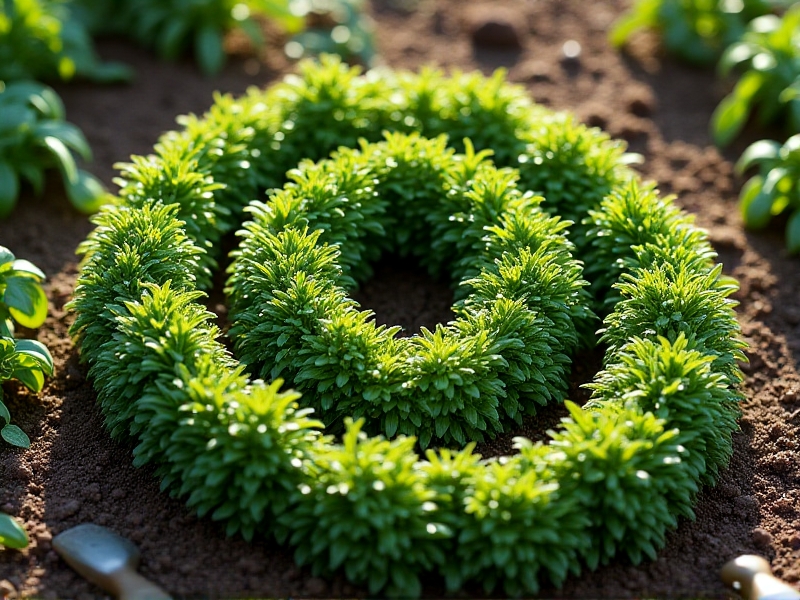
A spiral herb garden is more than an aesthetic focal point—it’s a functional design that maximizes space and microclimates. Built in a three-dimensional, upward-twisting shape, this layout creates varying growing conditions within a compact area. The spiral’s elevation allows water to drain from the top to the base, while its curves expose plants to different levels of sunlight and shade. Historically rooted in permaculture principles, this design mimics natural patterns, offering an efficient way to grow herbs with diverse needs side by side. By understanding its structure, you’ll unlock the potential to cultivate a thriving, low-maintenance edible garden.
Choosing the Ideal Location for Sunlight and Drainage

Location is critical for a spiral herb garden’s success. Most herbs require at least six hours of daily sunlight, so prioritize spots with southern or southwestern exposure in the Northern Hemisphere. Observe how shadows from trees or structures shift throughout the day. Avoid low-lying areas where water pools—herbs like thyme and sage despise soggy roots. If your site has heavy clay soil, elevate the spiral or amend the base with gravel for drainage. Proximity to a water source and protection from strong winds are additional factors to consider during site selection.
Designing Your Spiral Structure: Materials and Layout
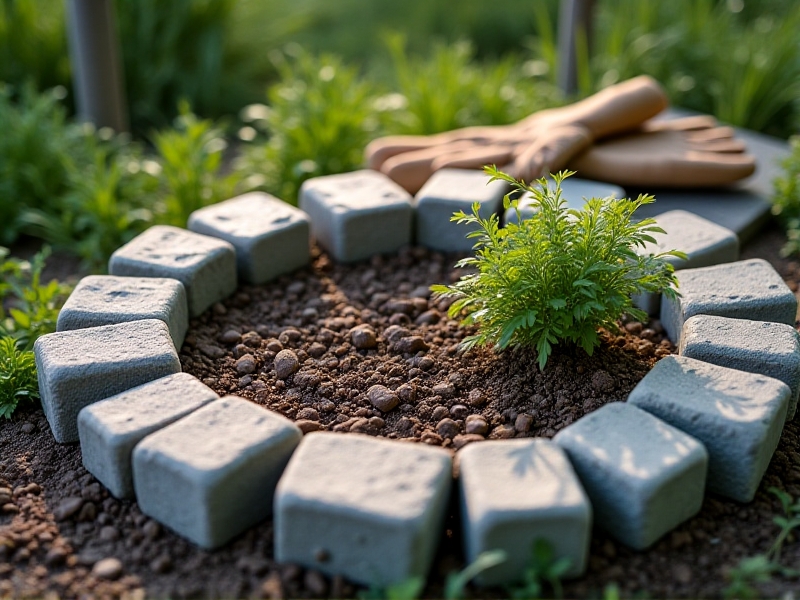
Spiral gardens typically rise 2–3 feet tall with a 4–6 foot diameter. Use locally sourced stones, bricks, or reclaimed wood to build retaining walls. Start by marking the spiral’s outline with chalk or sand. Layer materials inward, widening the base for stability. Fill the structure with a well-draining soil blend—mix garden soil, coarse sand, and compost. The center should be the highest point, sloping downward to the outer edges. Leave small gaps between stones for airflow and optional trailing plants. This design creates a vertical planting space that conserves ground area while adding visual interest.
Optimizing Orientation for Sun Exposure

Align your spiral so the sunniest side faces the equator—south in the Northern Hemisphere, north in the Southern Hemisphere. This ensures heat-loving herbs receive maximum light. Herbs requiring full sun (6+ hours) should occupy the spiral’s western and southern aspects, where light is most intense. Reserve the eastern and northern sections for plants tolerating partial shade. If your garden receives harsh afternoon sun, position taller herbs like fennel or lemongrass on the western edge to cast protective shade over delicate varieties.
Leveraging Microclimates Within the Spiral
The spiral’s elevation and orientation create distinct microclimates. At the top, soil dries faster and temperatures fluctuate—ideal for Mediterranean herbs like oregano and lavender. Mid-spiral areas offer moderate moisture, perfect for basil and cilantro. The base stays cool and damp, accommodating moisture-loving mint or lemon balm. Use these zones to your advantage: cluster herbs with similar needs together, and place aggressive spreaders at the outer edges to contain their growth. This stratification mimics natural ecosystems, reducing competition and simplifying care.
Selecting Herbs Based on Light and Space Needs
Prioritize herbs you use frequently, but align choices with your garden’s conditions. For sunny zones: rosemary, thyme, and marjoram. Partial shade areas: parsley, chervil, and cilantro. Avoid invasive herbs like mint in the main spiral—plant them in buried containers at the base instead. Dwarf varieties of sage or basil work well for smaller spirals. Incorporate flowering herbs like calendula or borage to attract pollinators. Consider growth habits: upright rosemary contrasts beautifully with cascading oregano, creating texture while optimizing vertical space.
Planting Strategies for Vertical Growth
Capitalize on vertical space by planting taller herbs at the spiral’s center. Train vining plants like nasturtium up small trellises. Use wall crevices for trailing varieties such as creeping thyme. Layer plants by height—avoid letting upper tiers overshadow lower ones. Start with anchor plants (rosemary, sage), then fill gaps with mid-size herbs (oregano, basil), and finish with ground covers (chamomile, Corsican mint). Leave 6–8 inches between plants to accommodate growth. Interplant quick-growing annuals like dill among slower-growing perennials for continuous harvests.
Maintenance Tips: Watering and Pruning
Water the spiral’s top to let moisture trickle down naturally. Check soil daily in summer—dry tops may need spot watering, while bases might require less. Mulch with straw to reduce evaporation. Prune herbs regularly to encourage bushy growth and prevent woody stems. Harvest in the morning when essential oils peak. Watch for pests: aphids dislike sprayed water, while slugs avoid crushed eggshell barriers. Rotate herbs annually if growing biennials to maintain soil health. Remove spent blooms to redirect energy into leaf production.
Seasonal Adjustments and Long-Term Care
In spring, refresh topsoil and divide overcrowded perennials. Summer demands consistent watering and pest checks. Come fall, trim woody herbs and plant garlic chives for winter interest. In cold climates, insulate the spiral’s base with straw bales and cover tender herbs with cloches. Every 2–3 years, dismantle sections to replenish soil nutrients. Rotate crops if replanting annuals, and test soil pH annually. Embrace seasonal cycles—let some herbs flower to reseed, creating a self-sustaining ecosystem over time.
Avoiding Common Design and Orientation Mistakes
Common pitfalls include building too large (hard to reach the center), using non-porous materials (causing root rot), or incorrect sun alignment. Avoid monoculture—mix herbs to deter pests. Don’t over-fertilize; most herbs thrive in moderately fertile soil. Ensure the spiral’s center isn’t shaded by nearby structures. Prevent soil slump by compacting layers during construction. If herbs outgrow their zones, replant rather than letting them overshadow neighbors. Regularly assess and adjust—gardens evolve, and your spiral should too.