Rain Garden Sizing for Stormwater
Understanding Rain Gardens and the Importance of Sizing
Rain gardens are shallow, vegetated basins designed to capture and manage stormwater runoff from impervious surfaces like rooftops, driveways, and roads. Their primary function is to reduce flooding, filter pollutants, and recharge groundwater. Proper sizing ensures they can handle the volume of water they’re intended to manage. An undersized garden may flood during heavy storms, while an oversized one could waste resources and space. The balance lies in calculating local rainfall patterns, soil type, and the area contributing runoff.
The Role of Stormwater Runoff in Sizing Decisions
Stormwater runoff volume directly influences rain garden dimensions. Impervious surfaces generate more runoff than permeable ones, so a rooftop or parking lot will contribute significantly more water to a garden than a lawn. Hydrologic calculations, such as the Rational Method or Curve Number approach, help estimate runoff based on rainfall intensity and surface type. For instance, a 1-inch rain event on a 1,000-square-foot roof generates approximately 623 gallons of runoff. Understanding these numbers prevents under- or over-designing the system.
Calculating Drainage Area and Runoff Volume
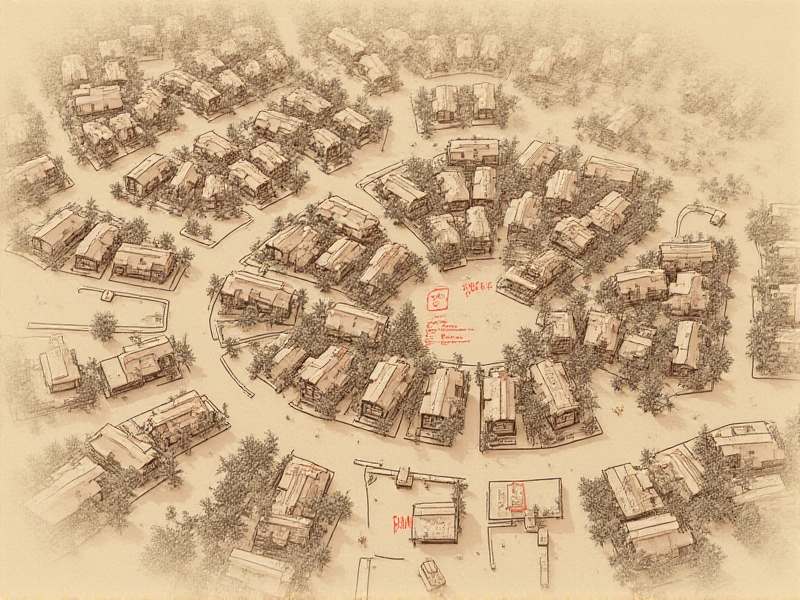
The drainage area—the total surface directing water into the garden—is critical for sizing. Measure all connected impervious surfaces (e.g., roofs, driveways) and adjacent slopes. Use the formula: Runoff Volume (cubic feet) = Drainage Area (sq ft) × Rainfall Depth (ft) × Runoff Coefficient. The runoff coefficient (0.3–0.9) varies by surface type—higher for asphalt, lower for grassy areas. For example, a 500-sq-ft driveway with a 0.8 coefficient in a 1-inch rain event yields ~27 cubic feet of runoff. This data shapes the garden’s storage capacity needs.
Determining the Optimal Rain Garden Size
A common rule of thumb is to size the garden at 20–30% of the drainage area. For a 1,000-sq-ft roof, aim for a 200–300-sq-ft garden. Depth matters too: 6–12 inches allows water to infiltrate without drowning plants. Adjust for local factors—sandy soil infiltrates faster, so smaller gardens may suffice, while clay requires larger basins. In regions with frequent heavy rains, add a safety margin. Tools like the EPA’s National Stormwater Calculator simplify these adjustments by integrating local soil and rainfall data.
Soil Composition and Its Impact on Infiltration Rates
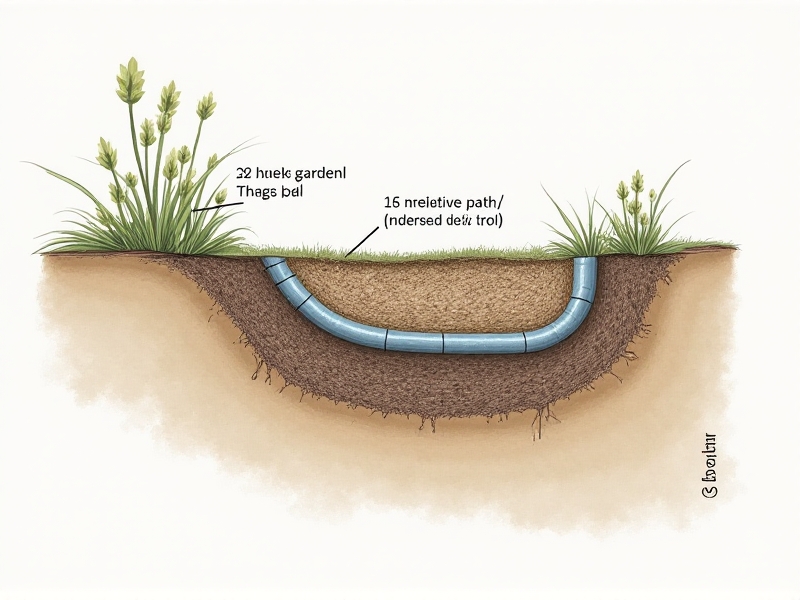
Soil type dictates how quickly water percolates. Sandy soils infiltrate 1–3 inches per hour, while clay may only manage 0.1 inches. Conduct a percolation test: dig a 12-inch hole, fill it with water, and time drainage. If it takes over 48 hours to drain, amend the soil with compost or sand. In heavy clay areas, consider underdrains—perforated pipes beneath the garden—to prevent waterlogging. Proper soil prep ensures the garden functions year-round, even during back-to-back storms.

Design Considerations Beyond Basic Sizing
Shape the garden to maximize water dispersion—kidney-shaped or linear designs work better than perfect circles. Slope the sides gently (3:1 ratio) to prevent erosion. Include a 6-inch berm on the downhill side to retain water. Choose plants with deep roots (e.g., switchgrass, rudbeckia) to stabilize soil and absorb moisture. Avoid steep slopes (>10%) near the garden, as these can redirect runoff. A well-designed garden blends functionality with aesthetics, supporting pollinators while managing water.
Common Mistakes in Rain Garden Sizing and Installation
Underestimating the drainage area is a frequent error—forgetting adjacent patios or sloped lawns leads to overflow. Ignoring soil compaction during construction reduces infiltration; till soil thoroughly before planting. Placing gardens too close to foundations (less than 10 feet) risks water seepage into basements. Avoid invasive plants like cattails that clog the system. Test the site during a storm to identify unintended water paths. Correcting these mistakes early saves costly retrofits later.
Maintaining a Rain Garden for Long-Term Efficiency
Annual maintenance preserves performance. Remove debris from inflow points to prevent clogs. Replenish mulch to suppress weeds and protect soil. Prune plants in early spring to encourage growth. Inspect for sediment buildup—if the garden drains slower than usual, excavate and replace the topsoil. After extreme weather, check berms for erosion. A well-maintained rain garden can last decades, adapting to changing climate patterns and evolving into a resilient ecosystem.