Pollinator Pathway Placement Strategies
Understanding Pollinator Pathways and Their Ecological Importance
Pollinator pathways are interconnected corridors of native plants designed to support bees, butterflies, birds, and other pollinators by providing food, shelter, and safe passage through urban and suburban landscapes. These green networks counter habitat fragmentation caused by development, agriculture, and invasive species. By prioritizing native flora, pollinator pathways revive local ecosystems while fostering biodiversity—a single pathway can sustain hundreds of insect species, which in turn support birds and mammals. Beyond ecological benefits, these pathways enhance food security, as 75% of global crops depend on pollinators. Communities that invest in pollinator pathways often see increased public engagement with environmental stewardship, transforming sterile lawns into vibrant, life-sustaining spaces.
Evaluating Landscape for Optimal Pollinator Pathway Placement
Selecting the right location for a pollinator pathway requires analyzing sunlight, soil type, water sources, and existing vegetation. Sunny areas with at least six hours of direct light are ideal for flowering plants, though shaded zones can incorporate ferns or native groundcovers. Soil testing helps identify pH levels and nutrient content, ensuring plant selections thrive without heavy amendments. Proximity to water—such as rain gardens or natural streams—reduces irrigation needs. Existing trees and shrubs can anchor pathways, but invasive species like English ivy must be removed. Urban planners often repurpose underutilized spaces: roadside verges, park edges, and even rooftop gardens. Mapping flight patterns of local pollinators using citizen science apps like iNaturalist can pinpoint high-traffic areas needing connectivity.

Strategic Plant Selection for Year-Round Pollinator Support
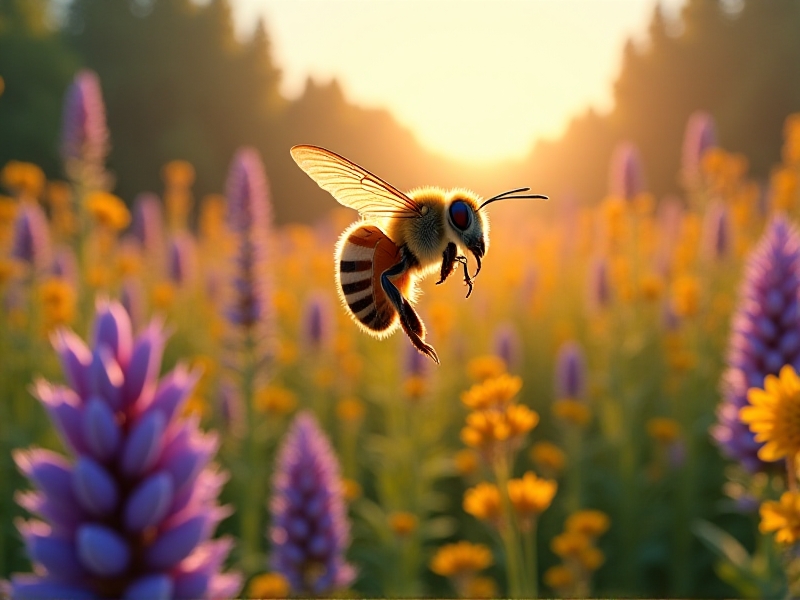
A successful pathway features diverse native plants that bloom sequentially from spring to fall. Early bloomers like lupine and serviceberry provide critical nectar after hibernation, while summer stars like milkweed and bergamot sustain breeding butterflies. Late-flowering asters and goldenrod prepare pollinators for winter. Incorporate host plants: monarchs need milkweed, while pipevine swallowtails require Dutchman’s pipe. Cluster plants in drifts of three or more to create visible “targets” for pollinators. Avoid hybrids with double blooms, which often lack nectar. Complement flowers with grasses like little bluestem, which offer larval shelter. Regional adaptation is key—consult local extension offices or tools like the Xerces Society’s pollinator plant lists to align choices with climate and soil.
Designing Connectivity: Bridging Gaps in Urban and Rural Areas
Effective pathways act as “green bridges” between isolated habitats. In cities, link rooftop gardens to street-side planters and pocket parks using flowering window boxes or vertical gardens. Rural pathways might connect forest edges to wetlands via hedgerows. Use “stepping stone” habitats—small patches every 200–500 meters—to aid species with limited flight ranges, like some bees. Overpasses and underpasses with native vegetation can safely guide pollinators across highways. Collaborate with neighboring landowners to create continuous corridors; volunteer “Pollinator Posse” groups often lead these grassroots efforts. Technology like GIS mapping helps visualize gaps and track corridor expansion over time.

Community Engagement: Building Stewardship Through Education
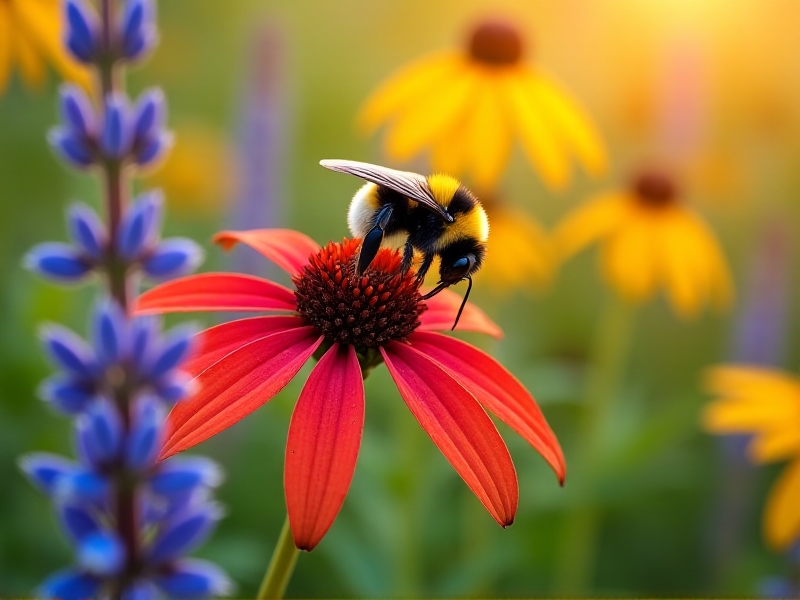
Public buy-in ensures long-term pathway success. Host workshops on native gardening or partner with schools to create pollinator curricula. Install interpretive signs explaining plant-pollinator relationships—for example, how specific flower shapes match bee tongue lengths. Create “Adopt-a-Plot” programs where residents maintain sections of the pathway. Farmers markets can distribute free seed packets tagged with planting instructions. Celebrate milestones with annual events like butterfly counts or native plant swaps. Highlight cultural connections: many Indigenous communities have deep knowledge of local pollinator species, offering valuable insights for pathway design.
Avoiding Common Pitfalls: Maintenance and Invasive Species Management
Pathways fail when invasive plants outcompete natives or pesticides inadvertently poison pollinators. Regularly monitor for intruders like Japanese knotweed and replace lawns with clover or native sedges to reduce mowing. Avoid neonics and other systemic insecticides; opt for organic pest control like introducing ladybugs. Leave leaf litter and dead stems over winter to shelter hibernating insects. Install birdhouses to attract cavity-nesting bees and predatory birds that control pests. Drought-resistant species minimize watering, but during establishment, drip irrigation ensures survival. Document species interactions through photo journals to adapt plant lists as needed.
Case Studies: Transformative Pollinator Pathways in Action
Seattle’s Pollinator Pathway Project transformed 26 city blocks into a haven for bumblebees using sidewalk gardens and traffic circle plantings. Utrecht, Netherlands, redesigned bus stop roofs with sedum and wildflowers, increasing bee diversity by 50%. In rural Tanzania, farmer cooperatives planted sunflowers between crops, boosting both pollination rates and edible oil production. These examples show scalability: pathways can thrive in post-industrial sites, universities, or suburban backyards. Key metrics like pollinator counts and native plant regeneration rates help secure funding for expansion.