Perennial Vegetable Border Designs
The Beauty and Utility of Perennial Vegetable Borders
Perennial vegetable borders blend aesthetics with practicality, offering year-round beauty and a steady supply of food. Unlike annuals, which require replanting each season, perennials like asparagus, artichokes, and rhubarb return reliably, reducing labor and enhancing garden sustainability. These plants often feature striking foliage, flowers, or architectural forms, making them ideal for ornamental designs. Imagine a garden bed where vibrant Swiss chard rubs shoulders with feathery fennel, or where climbing nasturtiums spill over edges of stone paths. Such combinations create dynamic visuals while providing fresh produce.
Principles of Designing an Edible Perennial Border
Successful edible borders balance form and function. Start by outlining the border’s shape—curved lines add softness, while geometric patterns suit modern spaces. Layer plants by height, placing taller species like Jerusalem artichokes at the back and low-growing herbs such as thyme at the front. Prioritize plants with multi-season interest: sea kale’s blue-green leaves shine in spring, while its winter skeletons add texture. Intersperse flowering perennials like echinacea to attract pollinators, ensuring both beauty and ecological benefit.

Selecting Climate-Adapted Perennial Vegetables
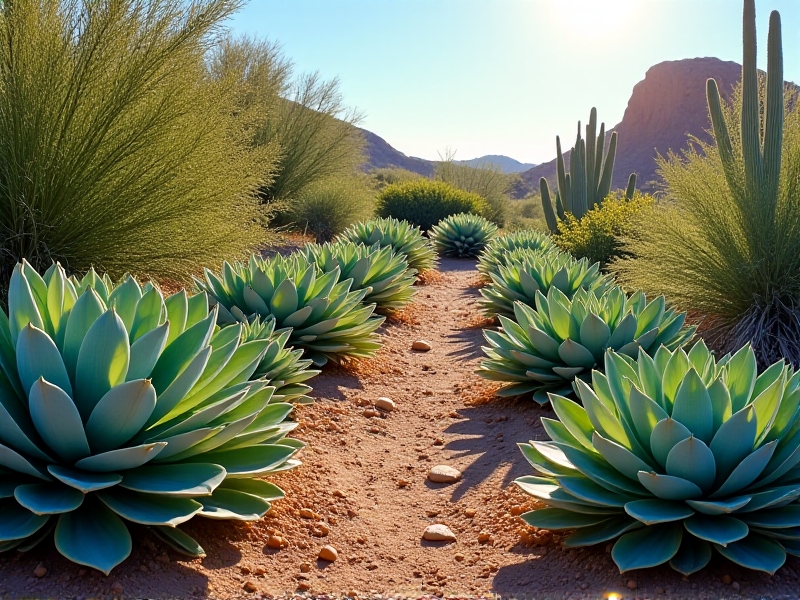
Choosing plants suited to your region ensures resilience. In cooler zones, opt for cold-hardy options like sorrel and horseradish. Arid climates benefit from drought-tolerant species such as prickly pear cactus (nopales) and perennial kale. Subtropical regions can showcase chayote vines or Okinawan spinach. Research native edibles, like ramps in woodland areas, to harmonize with local ecosystems. Always consider microclimates—sheltered corners might support tender perennials like lemongrass, even in temperate zones.
Color, Texture, and Height in Edible Designs
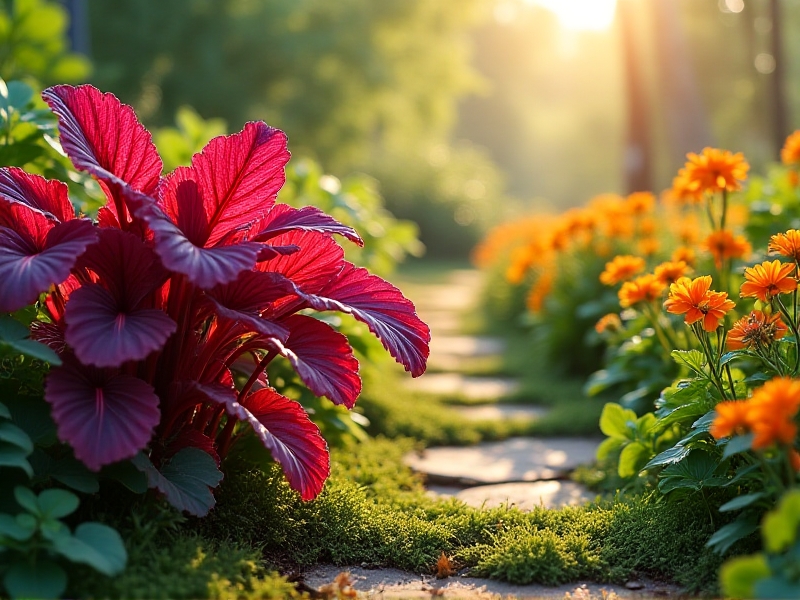
Visual harmony arises from contrasting elements. Pair burgundy-hued rhubarb with silver-leaved sage for dramatic color play. Add vertical accents with climbing scarlet runner beans or trellised Malabar spinach. Soften edges with mounding herbs like oregano, and incorporate variegated foliage from plants like variegated lemon balm. For winter interest, include plants with striking stems, such as red twig dogwood (non-edible but decorative) alongside evergreen rosemary.

Companion Planting for Healthier Harvests
Companion planting minimizes pests and boosts yields. Plant garlic chives beneath apple trees to deter borers, or interleave marigolds with tomatoes to repel nematodes. Fragrant herbs like lavender confuse pests seeking brassicas, while dill attracts beneficial wasps that prey on caterpillars. Nitrogen-fixing companions such as clover improve soil fertility around heavy feeders like artichokes. This symbiotic approach reduces reliance on chemicals, fostering a balanced ecosystem.
Soil Preparation and Long-Term Fertility
Perennials thrive in well-drained, nutrient-rich soil. Begin by testing pH—asparagus prefers slightly alkaline soil, while blueberries (acid-loving) should be placed elsewhere. Amend beds with compost or aged manure to boost organic matter. Mulch with wood chips or straw to retain moisture and suppress weeds. Over time, taproots of plants like comfrey mine nutrients from deeper layers, naturally enriching the topsoil. Avoid tilling to preserve soil structure and mycorrhizal networks.
Seasonal Care and Maintenance Routines
Spring tasks include dividing overcrowded clumps of Egyptian walking onions and pruning dead growth from artichokes. Summer demands consistent watering for young plants and staking tall species. Autumn is ideal for planting new perennials and mulching beds with leaves. In winter, protect tender roots with straw or burlap. Regular monitoring for pests, like asparagus beetles, ensures early intervention without chemicals.
Creative Themes for Edible Borders
Themed designs add personality. A cottage-style border mixes edible flowers like calendula with sprawling squash. Modern lines shine with geometric patterns of blueberry bushes and chartreuse hops vines. Woodland edges can feature shade-tolerant hostas (non-edible) and wild ginger. For a tropical vibe, pair taro’s elephant ears with pineapple guava shrubs, accented by bright nasturtium blooms.
Overcoming Common Perennial Challenges
Perennials can be slow starters—rhubarb may take two years to harvest. Combat invasiveness by planting mint in containers and burying raspberry roots with barriers. Rotate pest-prone plants and use row covers during infestations. Improve drainage in heavy soils with raised beds. Patience is key; mature plants often outcompete weeds and require less intervention.
Transform Your Garden with Perennial Edibility
Embrace perennial vegetables to create a garden that nourishes both body and soul. Start small—replace a flower bed with a mix of sorrel and chives, or edge a walkway with creeping thyme. Observe how plants adapt through seasons, adjusting your design as needed. Over time, these resilient species will form a low-maintenance tapestry of flavors and colors, redefining what it means to grow a “productive” garden.