Hugelkultur Mound Calculations
Understanding Hugelkultur: A Primer on Soil-Building Mounds
Hugelkultur, a German term meaning "hill culture," is a centuries-old gardening technique that transforms decaying wood and organic matter into fertile, self-sustaining raised beds. Unlike traditional gardens, hugelkultur mounds leverage decomposition to create nutrient-rich soil, improve water retention, and reduce the need for external fertilizers. These mounds are layered structures, typically built with logs, branches, leaves, and compost, mimicking the natural processes of forest floors. By harnessing the slow release of nutrients from decaying wood, gardeners can cultivate productive plots even in challenging conditions like poor soil or sloped terrain. Understanding the foundational principles of hugelkultur is key to optimizing its benefits.

Materials and Dimensions: Crafting the Perfect Hugelkultur Base
The success of a hugelkultur mound hinges on selecting the right materials and dimensions. Start with a base of large logs—hardwoods like oak or maple decompose slowly, providing long-term structure, while softer woods like pine break down faster, releasing nutrients sooner. Layer branches, twigs, and leaves to fill gaps, followed by nitrogen-rich materials like grass clippings or manure. The ideal mound height ranges from 3 to 5 feet, with a width of 4 to 6 feet, ensuring sufficient mass to retain moisture and generate heat. Length depends on available space, but a 6- to 8-foot span is common. These proportions balance aeration and decomposition, creating a stable environment for plant roots.
Calculating Volume: Balancing Wood, Biomass, and Soil
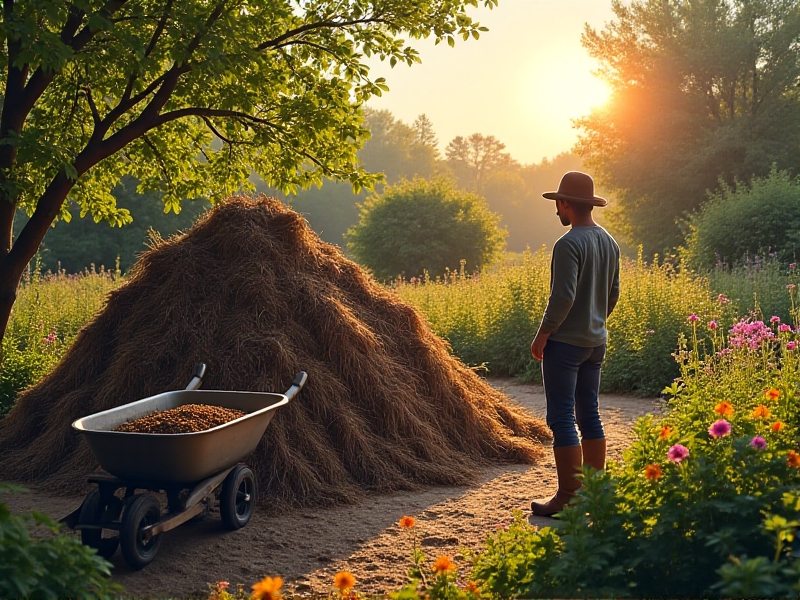
Volume calculations ensure a balanced mix of carbon-heavy wood and nitrogen-rich biomass. A 5-foot-tall mound with a 6-foot base width and 8-foot length contains roughly 120 cubic feet of material. Allocate 60% to wood (72 cubic feet), 30% to green biomass (36 cubic feet), and 10% to topsoil (12 cubic feet). This ratio promotes efficient decomposition while preventing nitrogen depletion. Use the formula for a triangular prism (0.5 × base width × height × length) to estimate volume. Adjust proportions for local conditions: arid climates may require taller mounds for water retention, while wetter regions benefit from wider bases to prevent waterlogging.
Layering Strategies: Maximizing Decomposition and Nutrient Release
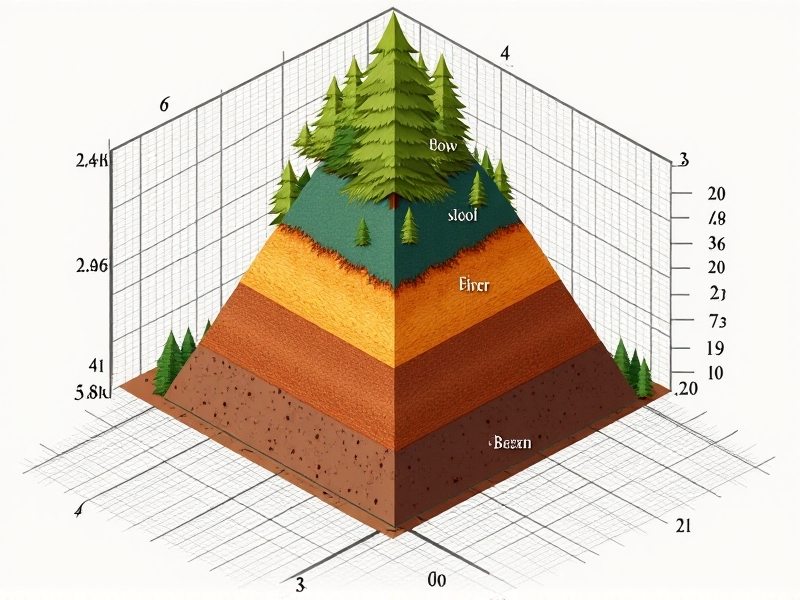
Effective layering accelerates decomposition and nutrient availability. Begin with the largest logs at the bottom to anchor the mound and create air pockets. Add smaller branches vertically to enhance drainage, followed by a mix of leaves, straw, and compost. Alternate carbon-rich (brown) and nitrogen-rich (green) materials, akin to composting, to maintain microbial activity. Top the mound with 4–6 inches of finished compost or topsoil to kickstart plant growth. Over time, the lower layers break down into humus, releasing nutrients upward. This "reverse lasagna" method ensures continuous fertility, often lasting 5–10 years without additional inputs.

Slope and Orientation: Aligning Mounds with Natural Landscapes
Hugelkultur mounds thrive when aligned with natural slopes and sunlight patterns. Position mounds perpendicular to prevailing winds to reduce erosion, and orient them north-to-south in temperate climates to maximize sun exposure on both sides. On sloped terrain, build mounds along contour lines to prevent runoff and promote water infiltration. A 10–15 degree slope on the mound’s sides encourages root penetration and prevents soil slippage. In flat areas, create gentle slopes by mounding soil higher at the center. These strategies harmonize with microclimates, enhancing both productivity and ecosystem integration.
Planting Techniques: Optimizing Growth on Uneven Terrain
The mound’s uneven surface offers microclimates for diverse crops. Plant deep-rooted perennials like asparagus or fruit bushes on the steepest slopes, where soil is deepest. Leafy greens and herbs thrive on the sun-facing side, while shade-tolerant plants like spinach occupy the northern slope. Use the apex for tall plants like corn or sunflowers to avoid shading shorter crops. Intercropping with legumes fixes nitrogen, complementing the mound’s nutrient cycle. Drip irrigation or soaker hoses along the crest ensure even water distribution. Over time, the settling mound will require replanting; annuals gradually give way to perennials as soil structure stabilizes.
Long-Term Maintenance: Monitoring Decomposition and Soil Health
As the mound decomposes, periodic maintenance preserves its productivity. Check for sinkholes caused by collapsing wood, and fill them with compost or mulch. Every 2–3 years, add a fresh layer of biomass to offset settling. Soil tests every 2 years reveal nutrient levels; amend with organic fertilizers if potassium or phosphorus drops. Encourage earthworms by avoiding compacting the soil. In dry seasons, increase mulch thickness to conserve moisture. Over a decade, the mound will flatten into a fertile berm—transition it to a traditional raised bed or rebuild anew. Observing these rhythms ensures sustained yield and soil vitality.
Scaling Up: Adapting Calculations for Large-Scale Projects
Large-scale hugelkultur requires mechanical assistance and adjusted calculations. For a 50-foot mound, use a tractor to position logs and tillers to mix biomass. Increase the wood-to-biomass ratio to 70:30 for slower decomposition in extended mounds. Space multiple mounds 10–15 feet apart to allow equipment access. Calculate irrigation needs based on evapotranspiration rates—typically 1 inch of water weekly per 100 square feet. Integrate swales between rows to manage runoff. Commercial operations often combine hugelkultur with agroforestry, planting nitrogen-fixing trees alongside crops. Scaling demands precision but amplifies benefits like carbon sequestration and erosion control.