Guild Planting Blueprints for 1/4 Acre
Introduction to Guild Planting on a 1/4 Acre
Guild planting, a cornerstone of permaculture design, focuses on creating mutually beneficial plant communities that mimic natural ecosystems. On a 1/4-acre plot, this approach transforms limited space into a thriving, self-sustaining garden. Unlike traditional rows, guilds cluster plants that support each other through pest control, nutrient sharing, and structural diversity. This method maximizes productivity while reducing labor and external inputs. Whether you're a homesteader or an urban gardener, a 1/4-acre guild system can yield food, medicine, and beauty—all while nurturing the soil and local biodiversity. Let’s explore how to design and implement a guild planting blueprint tailored to this versatile scale.
Designing Your Guild Planting Blueprint
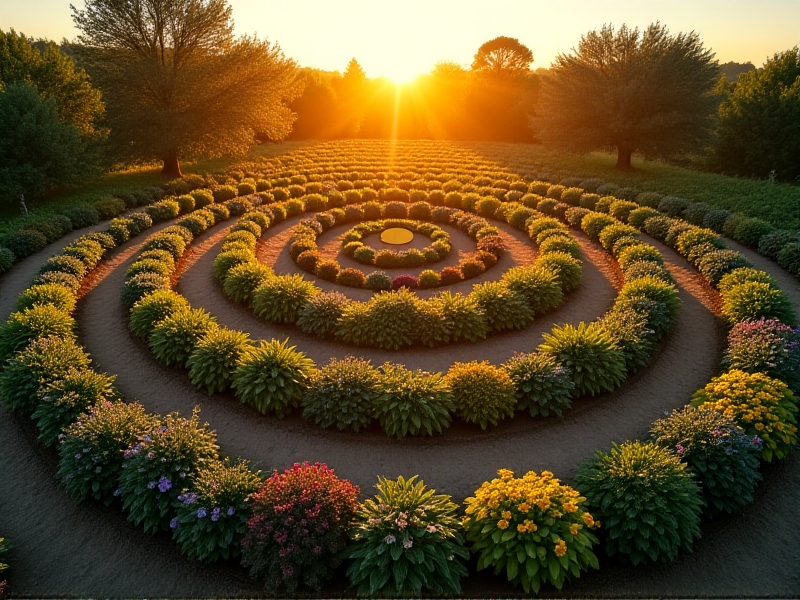
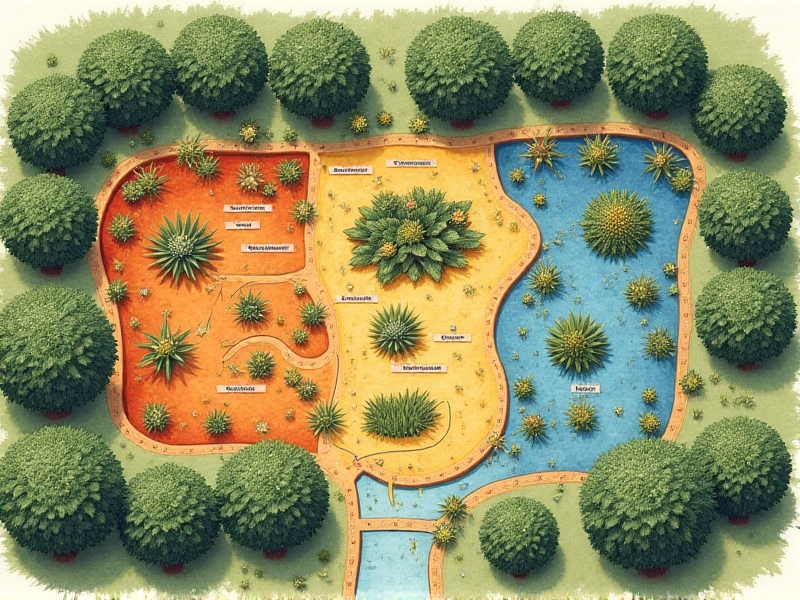
Start by mapping your 1/4-acre plot. Identify microclimates, sun exposure, and soil quality. Divide the space into zones: place high-maintenance annuals near your home, perennial guilds farther out, and wilder edges for native species. Each guild should center on a "keystone" plant—like a fruit tree or berry bush—surrounded by layers of support species. For example, a dwarf apple tree could be underplanted with nitrogen-fixing clover, pest-repelling garlic, and shallow-rooted strawberries. Use pathways to connect guilds and ensure accessibility. Incorporate water management with swales or rain gardens to capture runoff. Sketching a to-scale diagram helps visualize plant spacing and guild interactions before breaking ground.
Selecting Plants for Mutual Benefit
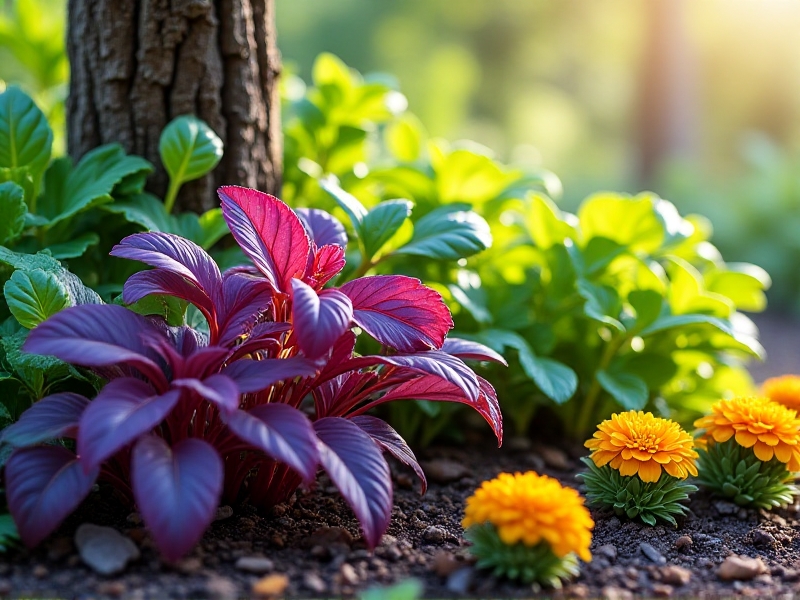
Choose species that fulfill multiple roles. Nitrogen fixers like peas or lupines enrich soil, while dynamic accumulators such as comfrey mine nutrients from deep layers. Aromatic herbs like basil or mint deter pests, and flowering plants attract pollinators. On a 1/4 acre, prioritize compact or dwarf varieties for trees and shrubs. Pair quick-growing annuals (lettuce, radishes) with slower perennials (asparagus, rhubarb) to optimize yield. Avoid allelopathic plants like walnuts, which inhibit growth in neighboring species. Instead, opt for synergistic combinations: a Three Sisters guild (corn, beans, squash) works well in sun-drenched areas, while a shade-tolerant guild might combine currant bushes, hostas, and woodland strawberries.
Implementing Seasonal and Year-Round Systems
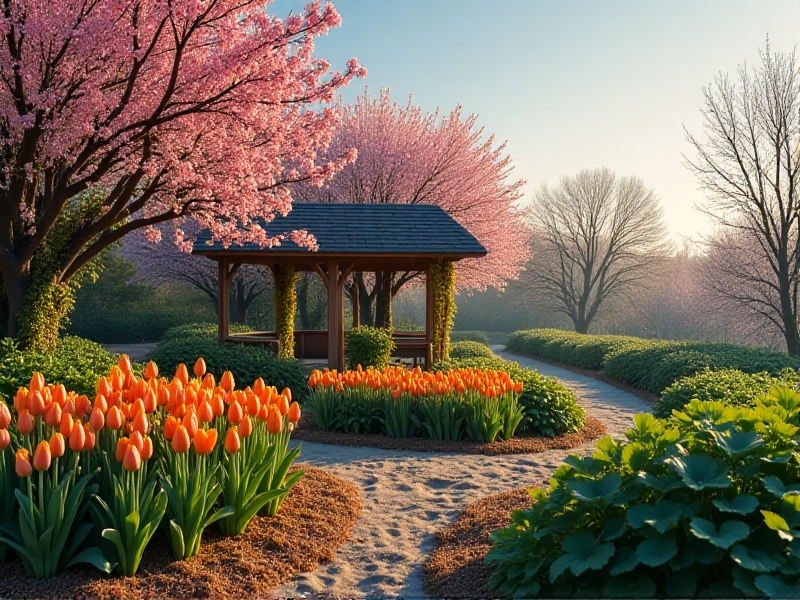
A 1/4-acre guild should provide harvests across seasons. Plant early-spring crops like spinach and peas alongside summer-bearing blackberries and fall-producing quince. Integrate evergreens like rosemary or thyme for winter interest and ground cover. Use cover crops like winter rye to protect soil during off-seasons. In colder climates, incorporate cold frames or hoop houses into guilds for extended growing periods. Rotate annuals annually to prevent disease buildup, while perennials anchor the system. Time plantings to ensure continuous bloom cycles for pollinators, ensuring every layer—from canopy to root zone—remains active and productive.
Maintenance and Troubleshooting
Guilds require less upkeep than conventional gardens but need strategic care. Mulch heavily to suppress weeds and retain moisture. Prune trees and shrubs to maintain airflow and light penetration. Monitor for imbalances—aphid outbreaks might signal a lack of predator-attracting flowers. Introduce beneficial insects like ladybugs or plant trap crops to divert pests. If a species dominates, gently thin it to restore harmony. Regularly add compost or chop-and-drop biomass to recycle nutrients. Over time, observe and adapt: replace underperforming plants or adjust spacing as the guild matures. A well-designed system becomes increasingly self-reliant, rewarding patience with abundance.
Harvesting and Enjoying the Bounty
Harvesting from a guild is a multisensory experience. Gather herbs and greens daily, fruit seasonally, and nuts or tubers annually. Preserve surplus through drying, canning, or fermenting. Use guild diversity to create nutrient-dense meals: stir-fries with homegrown veggies, herbal teas, and fruit preserves. Share yields with community or local food banks to build connections. Remember to leave some plants to seed or feed wildlife, sustaining the ecosystem. The 1/4-acre guild isn’t just a food source—it’s a sanctuary for both people and nature, proving that small spaces can cultivate resilience and joy.