Edible Hedge Installation Patterns
Why Install an Edible Hedge?
Edible hedges blend practicality with beauty, offering a dual-purpose solution for gardens. Unlike traditional ornamental shrubs, these living barriers produce fruits, herbs, or flowers while defining spaces, reducing noise, and supporting pollinators. They’re a sustainable alternative to fencing, fostering biodiversity and providing fresh harvests. Whether you’re a homesteader or an urban gardener, edible hedges transform underutilized spaces into productive ecosystems. The key lies in selecting plants that thrive in your climate and arranging them in patterns that balance aesthetics and yield.
Choosing the Right Plants for Your Edible Hedge
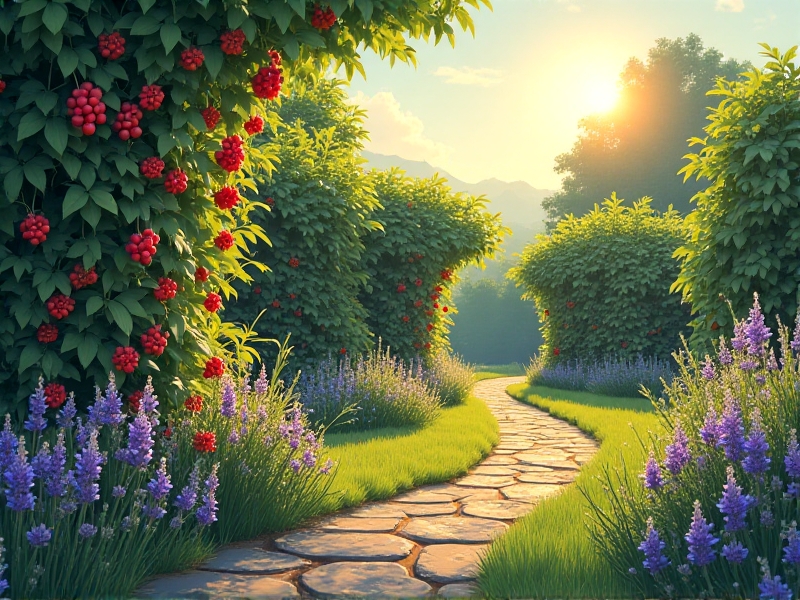
Success starts with plant selection. Consider perennial shrubs like blueberries, rosemary, or currants for low-maintenance yield. Climate compatibility is critical: Mediterranean herbs like thyme thrive in dry heat, while elderberries adapt to wetter climates. Layer plants by height—tall hazelnuts at the back, dwarf fruit bushes in front—to maximize space and sunlight. Include nitrogen-fixers like sea buckthorn to enrich soil. For year-round interest, mix evergreens (bay laurel) with seasonal bloomers (elderflower). Prioritize disease-resistant varieties and avoid invasive species. Pollinator-friendly choices like lavender or rugosa roses ensure cross-pollination and a thriving hedge.
Design Principles for Functional and Aesthetic Patterns
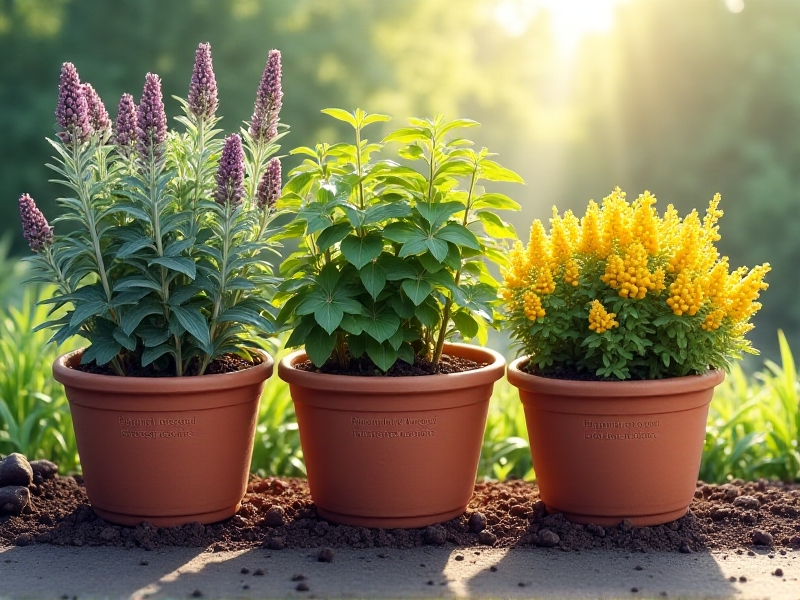
Edible hedges demand strategic design. Start by mapping sun exposure and wind patterns—place taller plants where they’ll shield delicate crops. Use curved lines to create visual flow or geometric patterns for a formal look. Intersperse flowering plants for color bursts; nasturtiums add orange hues while repelling pests. Balance density: too sparse and the hedge lacks privacy, too thick and airflow suffers. Incorporate vertical elements like trellised grapes or kiwi vines. Repeat plant groupings for rhythm, but vary textures (feathery fennel next to glossy bay leaves) to prevent monotony. Always plan for accessibility—leave gaps for harvesting.
Popular Edible Hedge Layout Patterns
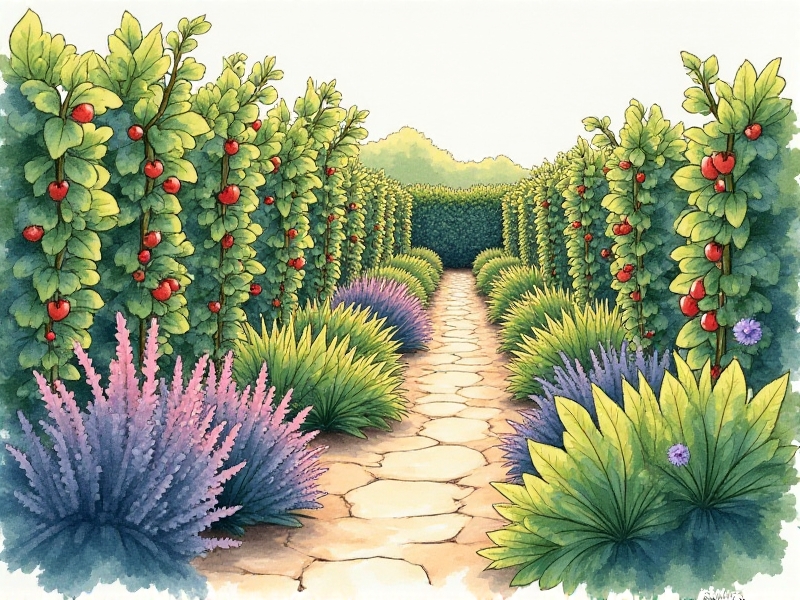
Linear hedges along property borders are classic, but creative patterns elevate gardens. A checkerboard design alternates fruiting shrubs (goji berry) with aromatic herbs (lemongrass). Spiral patterns anchor corners with dwarf citrus trees. For sloped terrain, terraced hedges prevent erosion using stacked rosemary and thyme. “Forest gardens” mimic natural ecosystems, layering canopy trees (apple), shrubs (gooseberry), and groundcover (wild strawberries). Modular hexagon beds connected by hedge segments create a honeycomb effect, ideal for small spaces. Consider companion planting—chamomile deters pests near blackberries, while marigolds protect root vegetables.
Step-by-Step Installation Guide
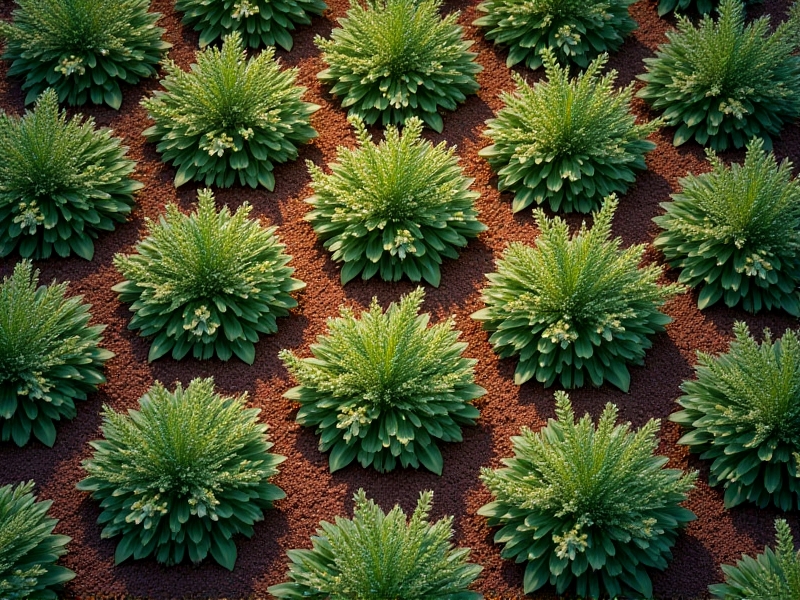
Begin by marking your layout with stakes and string. Remove grass and weeds, then enrich soil with compost. Dig trenches twice as wide as root balls for proper drainage. Space plants according to mature size—typically 18–36 inches apart. Add mycorrhizal fungi to roots to boost growth. Backfill soil, water thoroughly, and mulch with straw or wood chips to retain moisture. Install drip irrigation under mulch for efficient watering. For fragile plants, use temporary burlap windbreaks. Prune lightly after planting to encourage bushier growth. Label each species for easy identification and track growth in a garden journal.
Seasonal Maintenance and Harvesting Tips
Spring is for pruning: remove dead wood and shape the hedge post-frost. Summer demands pest monitoring—introduce ladybugs for aphid control. Water deeply during droughts, focusing on roots. In autumn, layer compost and plant garlic or saffron crocus around the hedge base for winter interest. Harvest berries and herbs in their peak seasons, using sharp shears to avoid damage. Protect tender plants with burlap or frost cloth in winter. Rotate organic fertilizers: fish emulsion in spring, bone meal in fall. Periodically thin crowded branches to prevent disease. Keep a seasonal calendar to align tasks with plant life cycles.
Integrating Edible Hedges into Existing Gardens
Blend edible hedges seamlessly by echoing colors and textures. Transition from ornamental roses to rugosa varieties that produce rose hips. Use hedge segments to frame vegetable beds or screen compost areas. Underplant with shade-tolerant edibles like sorrel or wild ginger. Train vining crops (malabar spinach) onto existing fences adjacent to hedges. Add benches or bird baths to create functional garden rooms. For cohesion, repeat a signature plant—like lavender—in both hedge and flower beds. Use the hedge as a backdrop for ornamental alliums or sunflowers, creating layers of utility and beauty.
Inspiring Examples of Edible Hedge Projects
Urban Rooftop Haven: A New York chef transformed a 20-foot balcony with dwarf fig, Thai basil, and cascading cherry tomatoes in vertical planters. Suburban Privacy Screen: A Michigan family replaced their chain-link fence with aronia berry and elderflower, attracting birds and yielding jams. Mediterranean Retreat: A Spanish villa’s terraced hedge combines pomegranate, olive, and rosemary, requiring minimal irrigation. Community Garden Hub: A Portland cooperative designed a U-shaped hedge of serviceberries and hazelnuts, creating a gathering space and shared harvest. These projects prove edible hedges adapt to any scale or style, merging ecology with creativity.