Duck Pond Ecosystem Integration
Understanding the Duck Pond Ecosystem
A duck pond is more than a serene body of water—it’s a dynamic, interconnected ecosystem where flora, fauna, and environmental factors coexist in delicate balance. These habitats support biodiversity by providing food, shelter, and breeding grounds for species ranging from microscopic algae to migratory birds. The integration of living and non-living components, such as water quality, soil composition, and plant life, creates a self-sustaining environment. However, human activity and climate variations can disrupt this equilibrium, making conservation efforts critical. This section explores the foundational elements that define a duck pond ecosystem and their roles in maintaining ecological harmony.
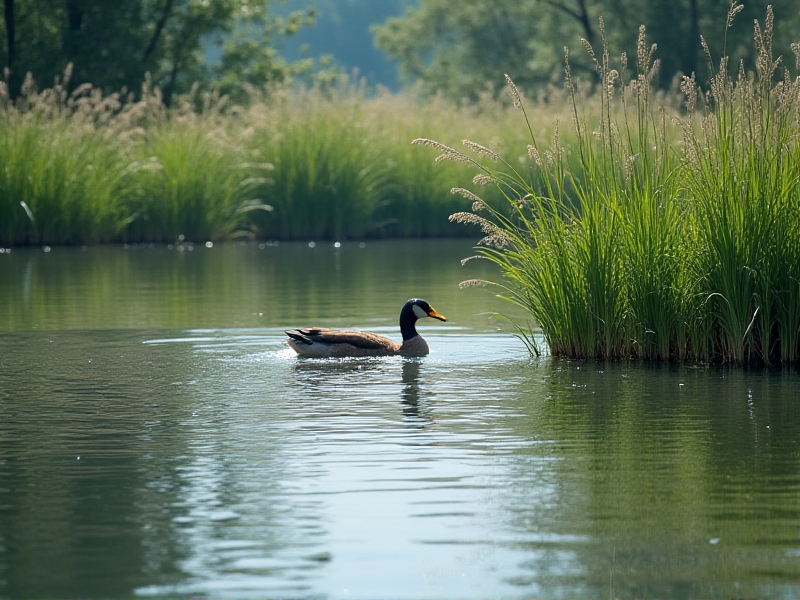
Key Components: Flora, Fauna, and Water
The vitality of a duck pond hinges on three pillars: aquatic plants, animal species, and water dynamics. Flora like cattails, duckweed, and water lilies oxygenate the water, filter pollutants, and offer nesting sites. Fauna includes not only ducks but also amphibians, fish, and invertebrates like snails, which contribute to nutrient cycling. Water quality, influenced by pH levels, temperature, and dissolved oxygen, dictates the health of these organisms. Seasonal changes, such as algal blooms in summer or ice cover in winter, further shape interactions within the ecosystem. By studying these components, we gain insight into how even minor disruptions can ripple through the entire pond community.
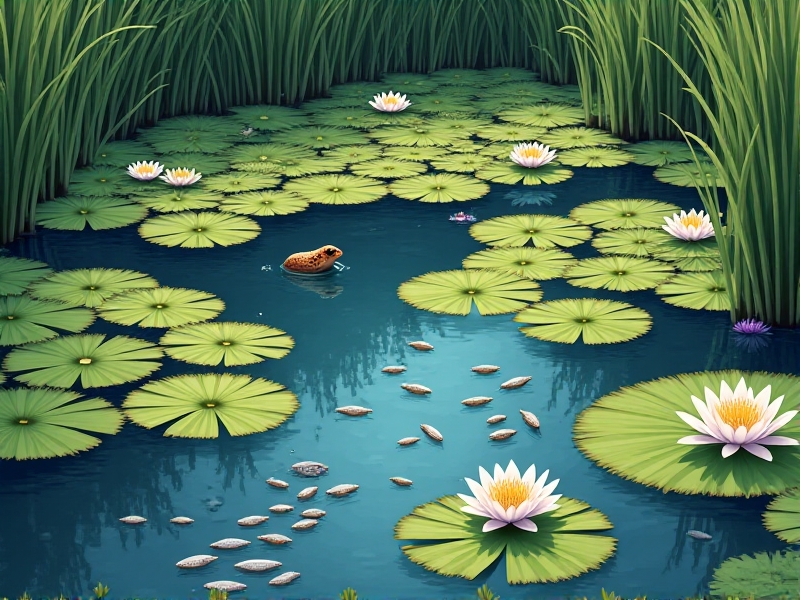
The Role of Microorganisms in Nutrient Cycling
Beneath the pond’s surface, microorganisms like bacteria, protozoa, and phytoplankton drive essential processes such as decomposition and nitrogen fixation. These tiny actors break down organic matter—fallen leaves, fish waste, or deceased organisms—into nutrients that fuel plant growth. Algae, though often overgrown, form the base of the food web, supporting zooplankton and insects. However, imbalances, such as excessive nutrients from runoff, can trigger harmful algal blooms. This section delves into how microbial communities maintain equilibrium and the consequences of their disruption.
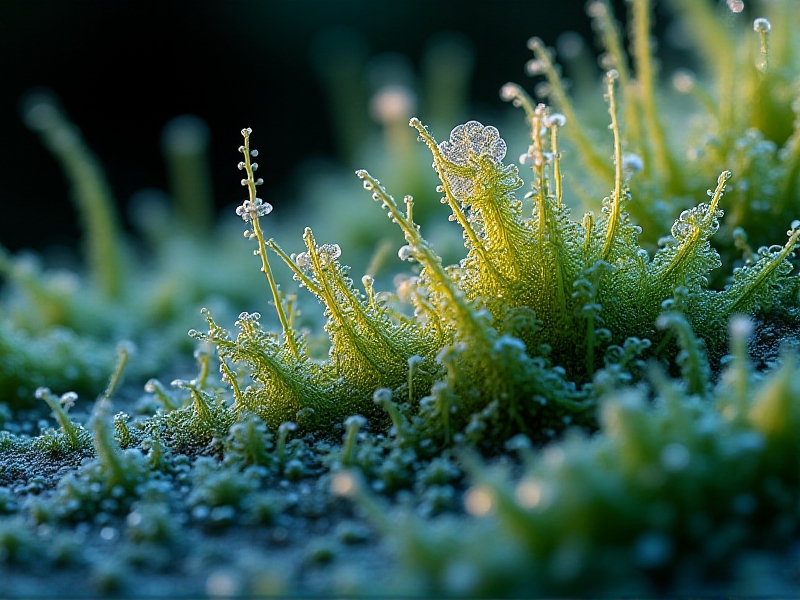
Interconnected Food Webs: From Algae to Predators
Every organism in a duck pond plays a role in its food web. Algae and plants convert sunlight into energy, consumed by herbivores like snails and tadpoles. These prey species sustain small fish and insects, which in turn feed larger predators such as herons or otters. Even ducks participate, foraging on submerged vegetation and dispersing seeds. This intricate network ensures energy flows efficiently, but the removal of a single species can destabilize the entire system. Here, we map these relationships and highlight the importance of biodiversity in sustaining ecological resilience.
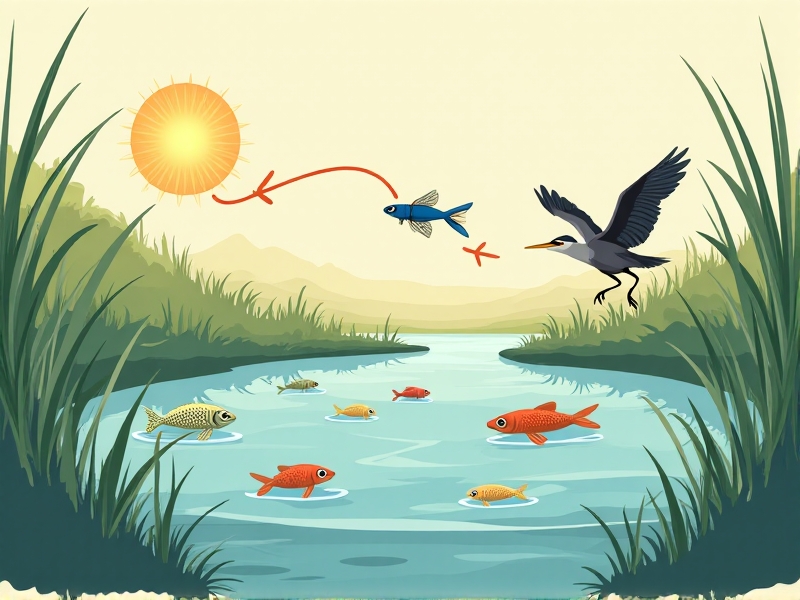
Human Impact and Conservation Strategies
Urbanization, pollution, and invasive species threaten duck ponds worldwide. Fertilizer runoff introduces excess nitrogen, causing eutrophication, while plastic waste endangers aquatic life. Conservation efforts, such as creating buffer zones with native plants or regulating fishing, can mitigate damage. Community involvement—through citizen science or habitat restoration—also plays a pivotal role. This section examines both the challenges posed by human activity and actionable solutions to preserve these ecosystems for future generations.
Climate Change and Adaptive Ecosystems
Rising temperatures and erratic weather patterns alter duck pond ecosystems. Warmer waters reduce oxygen levels, stressing fish populations, while droughts shrink habitats. Some species adapt by shifting breeding cycles; others face local extinction. Yet, resilient ponds with diverse flora and intact wetlands can buffer these changes. This section explores the intersection of climate science and ecology, offering insights into how adaptive management can safeguard these environments against an uncertain future.
Integrating Duck Ponds into Urban Landscapes
Urban duck ponds serve as vital green spaces, offering recreation and improving air quality. Cities like London and Amsterdam integrate ponds into parks, using them for stormwater management and wildlife corridors. Design considerations include pollution-resistant plants, aerators to maintain water flow, and pedestrian pathways that minimize disturbance. This section discusses how urban planning can harmonize human needs with ecological integrity, transforming concrete jungles into biodiverse havens.
Case Studies: Success Stories in Ecosystem Restoration
From New York’s Central Park to rural wetlands in Asia, restored duck ponds demonstrate the power of targeted conservation. In one case, reintroducing native mussels improved water clarity; in another, removing invasive carp allowed native plants to rebound. These examples provide blueprints for recovery, emphasizing patience, science-based strategies, and community engagement. By learning from these successes, we can replicate their outcomes elsewhere.
Future Directions: Technology and Community Action
Emerging technologies, such as AI-powered water quality sensors and biofilters using mycelium, offer new tools for monitoring and rehabilitating duck ponds. Meanwhile, grassroots initiatives—like school programs fostering stewardship—cultivate a culture of conservation. This final section envisions a future where innovation and collective effort ensure these ecosystems thrive, bridging the gap between human progress and environmental preservation.