Youth Permaculture Certification Paths
Understanding Permaculture and Its Relevance for Young People
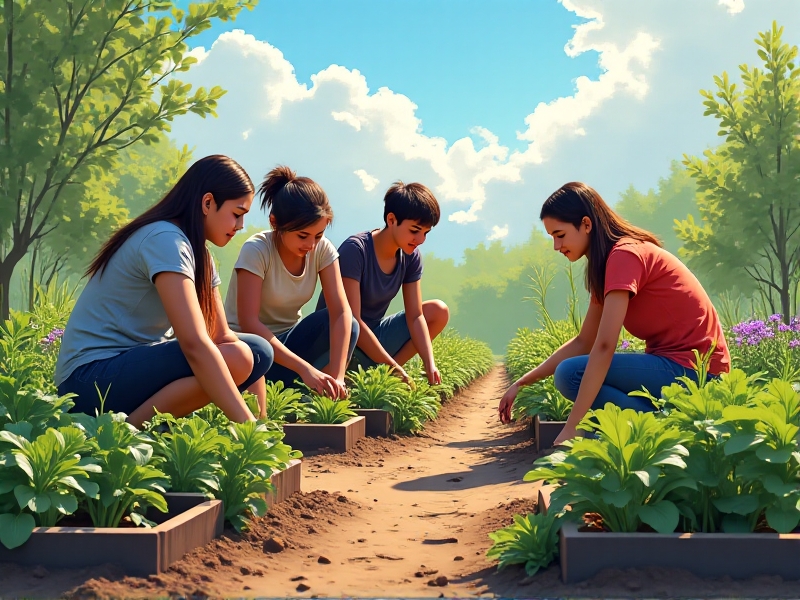
Permaculture, a design philosophy rooted in sustainable agriculture and ecological harmony, offers a blueprint for regenerating landscapes and communities. For young people, it’s more than a gardening trend—it’s a toolkit for addressing climate change, food insecurity, and social inequity. By blending traditional knowledge with modern innovation, permaculture teaches youth to observe natural systems, mimic their patterns, and create closed-loop solutions. Imagine learning how to turn food waste into fertile soil, design energy-efficient homes, or grow nutrient-dense food in urban spaces. These skills aren’t just practical; they’re revolutionary in a world grappling with environmental crises.
Youth engagement in permaculture is rising, driven by a generation demanding actionable solutions to planetary challenges. Programs tailored for teenagers and young adults often emphasize experiential learning, allowing participants to design rainwater harvesting systems, build compost networks, or cultivate pollinator habitats. The hands-on nature of permaculture resonates with young learners who thrive on creativity and tangible impact. Moreover, it fosters critical thinking: How do we balance human needs with ecological limits? Can cities become biodiversity hubs? These questions make permaculture a gateway to interdisciplinary learning, connecting biology, economics, and social justice.
Why Youth Should Pursue Permaculture Certification
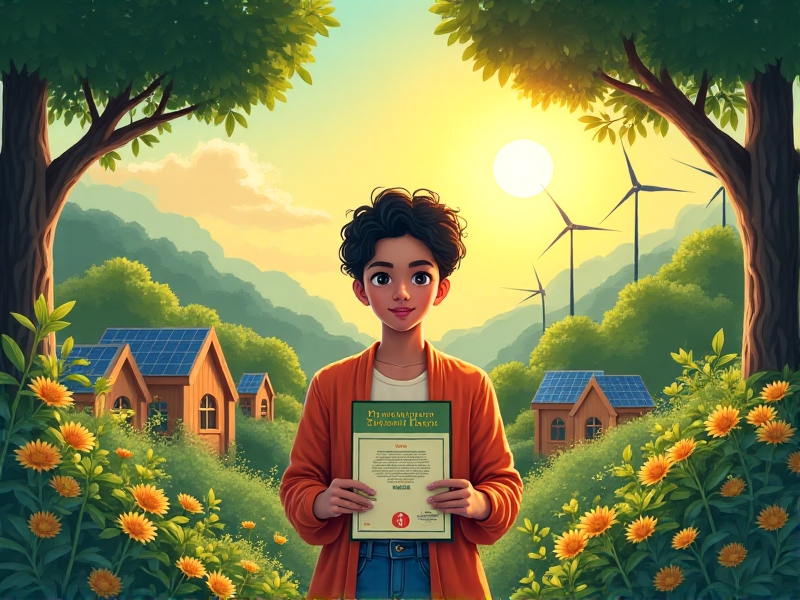
Earning a permaculture certification as a young person unlocks unique opportunities. Unlike generic environmental courses, permaculture design certificates (PDCs) provide a holistic framework for sustainable living. For career-minded youth, this credential signals expertise in regenerative design—a skill sought by NGOs, eco-tourism ventures, and urban planning firms. It also nurtures entrepreneurship: certified teens have launched seed banks, community gardens, and green consulting services. Beyond career benefits, certification builds confidence. Mastering permaculture’s 12 principles—from ‘catch and store energy’ to ‘integrate rather than segregate’—equips youth with problem-solving strategies applicable to everyday life.
Certification also connects young people to global networks. Many programs include mentorship from seasoned permaculturists or collaborations with international projects. For example, a teen in California might design a drought-resistant garden alongside peers in Kenya via virtual workshops. These experiences cultivate cultural exchange and broaden perspectives on environmental justice. Additionally, certified youth often become ambassadors in their communities, leading tree-planting initiatives or educating neighbors about composting. The ripple effect of their knowledge can transform neighborhoods into models of resilience.
Types of Permaculture Certification Programs for Youth

Youth-focused permaculture certifications vary in format and focus. Traditional 72-hour PDCs remain popular, often condensed into intensive two-week camps or spread over weekends for flexibility. Organizations like the Permaculture Youth Guild offer hybrid models, blending online modules with local fieldwork. For example, students might watch videos on agroforestry theory, then apply it by planting fruit trees in a community park. Other programs prioritize project-based learning: participants design and implement a permaculture site, documented through portfolios reviewed by instructors.
Specialized tracks are emerging, too. Urban permaculture certifications teach rooftop gardening and guerrilla gardening tactics, while climate-focused programs explore carbon sequestration and disaster resilience. Internships at working permaculture farms provide immersive experiences—imagine spending a summer managing aquaponics systems or propagating native plants. Scholarships and sliding-scale fees make these programs accessible, though availability varies by region. Virtual certifications have expanded access globally, enabling youth in remote areas to join live design charrettes or virtual garden tours.
How to Choose the Right Certification Path

Selecting a certification requires aligning personal goals with program offerings. Start by asking: Do I want to apply permaculture domestically, professionally, or academically? Aspiring farmers might prioritize internships, while educators could seek programs with teaching modules. Location matters: in-person courses offer networking but may require travel; online options provide flexibility but less hands-on practice. Look for accredited programs recognized by bodies like the Permaculture Institute or regional networks—this ensures curriculum quality and instructor expertise.
Consider hidden costs beyond tuition. Some programs require tools or materials, while others include them. Reach out to alumni via social media to gauge their experiences: Did the course prepare them for real-world projects? How diverse were the cohorts? Additionally, assess the program’s ethos. Does it address social justice and indigenous wisdom, or is it purely technical? Youth often thrive in inclusive, culturally responsive environments where their voices shape the curriculum. Finally, trust your intuition. The right program should ignite curiosity, not overwhelm it.
Integrating Permaculture into Formal and Informal Education
Schools worldwide are weaving permaculture into STEM curricula, vocational training, and extracurricular clubs. In Australia, the Stephanie Alexander Kitchen Garden Foundation partners with schools to create edible landscapes where students grow, cook, and share food. Similarly, U.S. schools in cities like Portland and Detroit have transformed asphalt lots into food forests, merging biology lessons with nutrition education. These projects teach teamwork, patience, and systems thinking—how a pest problem becomes an opportunity to study companion planting or natural predators.
After-school programs and youth clubs also play a role. Organizations like 4-H and Scouts now offer permaculture badges, encouraging kids to design wildlife habitats or water-saving systems. Libraries host seed swaps and permaculture film nights, while maker spaces incorporate sustainable design into robotics projects. For homeschoolers, permaculture provides a cross-disciplinary framework, blending science, art, and civics. The key is adaptability: a school with limited space might focus on container gardening, while rural schools could partner with local farms.
Case Studies: Successful Youth-Led Permaculture Projects
In Austin, Texas, the Youth Roots Farm employs teens to cultivate organic produce sold at farmers’ markets, with profits funding college scholarships. Participants learn business skills alongside agroecology, proving that permaculture can be both ecologically and economically viable. Meanwhile, in Nepal, the Green Heroes Program trains adolescents to rebuild degraded lands using terrace farming and biochar. Their efforts have restored 50+ acres, reducing landslides and providing livelihoods.
Another standout is Sweden’s Fridays for Future permaculture collectives, where climate strikers convert urban vacant lots into community gardens. These spaces double as outdoor classrooms for workshops on renewable energy and zero-waste living. Such projects highlight permaculture’s versatility: it’s as applicable in icy suburbs as in tropical villages, adaptable to cultural and climatic contexts.
Overcoming Challenges in Youth Permaculture Education
Despite growing interest, barriers persist. Funding is a common hurdle: schools and nonprofits often rely on grants to subsidize programs. Crowdfunding platforms like Patreon or GoFundMe have enabled grassroots initiatives to secure tools or land. Access is another issue—marginalized communities may lack green spaces or mentors. Mobile permaculture labs (think converted buses with hydroponic setups) are bridging this gap in cities like Oakland, offering pop-up workshops in underserved neighborhoods.
Time constraints also challenge busy students. Micro-certifications, which break the curriculum into weekend modules, make learning manageable. Peer-to-peer mentoring helps, too; advanced students coach newcomers, reinforcing their own knowledge. Lastly, overcoming skepticism is crucial. Permaculture is sometimes dismissed as ‘hippie gardening,’ but data-driven outcomes—like increased biodiversity or reduced water use—are shifting perceptions.
The Future of Youth in Permaculture
As permaculture gains mainstream traction, its integration with technology will redefine youth roles. Apps like Plantix diagnose plant diseases via AI, while blockchain platforms track seed-sharing networks. Virtual reality could let students tour global permaculture sites or simulate ecosystem interactions. Policy changes are also emerging: California’s recent Green Schoolyards Initiative mandates ecological literacy in K–12 curricula, a model other regions may follow.
Youth leadership will drive this evolution. Young permaculturists are already advising municipalities on green infrastructure and founding eco-startups. Imagine a world where every neighborhood has a teen-led permaculture hub, where schools prioritize soil health over standardized testing. By investing in youth certifications today, we sow the seeds for tomorrow’s regenerative revolution.