Worm Tea Brewing Ratios
The Basics of Worm Tea and Brewing Ratios
Worm tea, a nutrient-rich liquid fertilizer derived from vermicompost, has become a cornerstone of organic gardening. At its core, it’s a microbial powerhouse, teeming with beneficial bacteria, fungi, and nutrients that boost plant health. But its effectiveness hinges on one critical factor: brewing ratios. Too concentrated, and you risk harming plants; too diluted, and its benefits diminish. The ideal ratio balances worm castings, water, and aeration time to extract maximum biological activity without overwhelming delicate root systems.

Most recipes suggest a 1:5 ratio of castings to water by volume, but variables like castings quality, water temperature, and brew duration can shift this balance. Understanding these nuances ensures your tea delivers the microbial diversity and nutrient density plants crave. Let’s dive into how these ratios interact and why precision matters.
The Science Behind Optimal Ratios
Brewing worm tea isn’t just mixing dirt and water—it’s a microbial incubation process. The right ratio creates an aerobic environment where beneficial microorganisms thrive. Castings contain dormant microbes that activate when exposed to oxygenated water and food sources like molasses. A 1:5 ratio (e.g., 1 cup castings per 5 cups water) provides enough surface area for oxygen diffusion while preventing overcrowding, which can lead to anaerobic conditions and harmful pathogens.
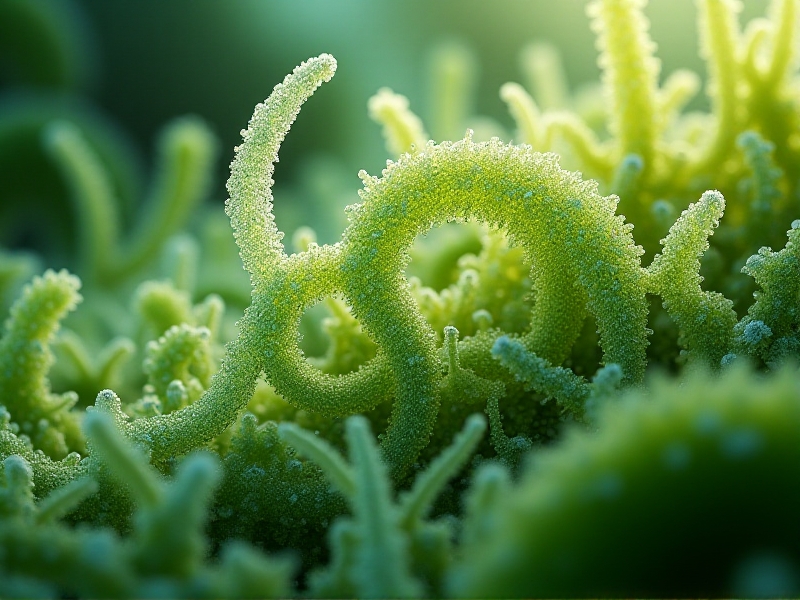
Nutrient concentration also plays a role. Higher castings ratios increase nitrogen and phosphorus levels, but excessive amounts can “burn” plants. Research shows that teas brewed at 1:5 ratios have ideal EC (electrical conductivity) levels for safe application. Balancing biology and chemistry is key to unlocking worm tea’s full potential.
Step-by-Step Guide to Measuring Ingredients
Start with quality castings—fresh, moist, and earthy-smelling. Avoid dry or compacted batches. For a 5-gallon brew, use 1 gallon of castings and 4 gallons of dechlorinated water. Chlorine-free water is critical, as chlorine kills microbes. Let tap water sit for 24 hours or use rainwater. Add a carbohydrate source like unsulfured molasses (2 tablespoons per gallon) to feed microbes during brewing.
Combine ingredients in a breathable fabric bag or mesh container to separate solids from liquid. Submerge in water and aerate vigorously using an air pump for 24–36 hours. Stir occasionally to prevent settling. The final tea should smell earthy, not foul. Strain and apply immediately for maximum microbial activity.
Common Mistakes in Ratios and How to Avoid Them
Overloading castings is a frequent error. Doubling the ratio to 1:3 might seem efficient, but it starves microbes of oxygen, leading to anaerobic bacteria that harm plants. Underaerating exacerbates this—ensure bubbles rise consistently throughout brewing. Conversely, using too few castings (e.g., 1:10) dilutes microbial populations, rendering the tea ineffective.
Ignoring water quality is another pitfall. Chlorinated water or high mineral content disrupts microbial growth. Test water pH before brewing; aim for 6.5–7.0. Adjust with organic acids or baking soda if needed. Finally, avoid extending brew times beyond 48 hours—microbes exhaust their food supply, causing die-off and odor.
Application Techniques for Maximum Effectiveness
Once brewed, apply worm tea within 4–6 hours to preserve microbial vitality. Use a sprayer for foliar application, coating leaves until runoff, or water soil directly. For foliar sprays, dilute to a 1:10 ratio (tea:water) to avoid clogging nozzles. Soil drenches can use full-strength tea but apply during cooler hours to prevent evaporation stress.
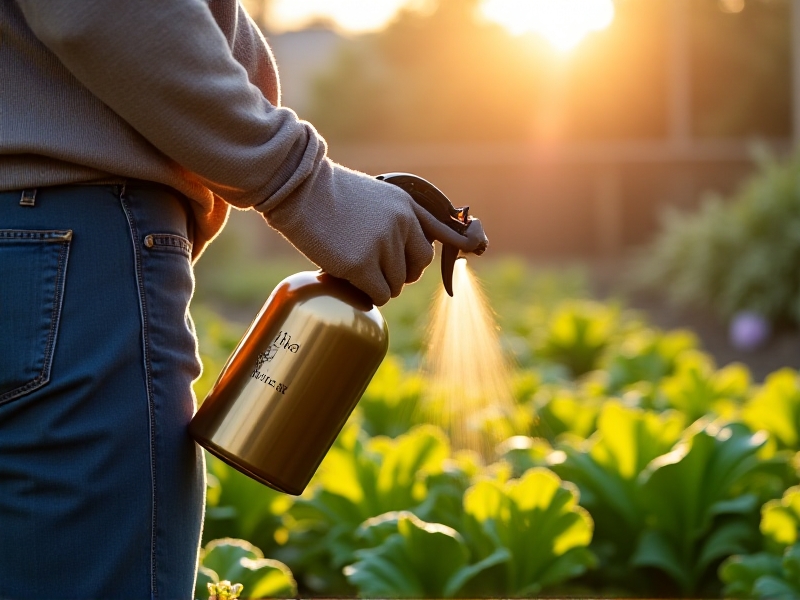
Frequency matters—apply every 2–3 weeks during growing seasons. Store unused tea in a sealed, aerated container for up to 48 hours. Observe plant responses: greener foliage, fewer pests, and improved yields signal success. Adjust ratios based on plant type—leafy greens tolerate richer teas, while seedlings prefer milder dilutions.
Advanced Tips for Customizing Your Brew
Tailor your tea to specific garden needs. For fungal-dominated teas (ideal for perennials), add mycorrhizal inoculants and extend brew time to 36 hours. Bacterial-heavy teas (great for annuals) benefit from higher molasses doses and shorter brews. Experiment with additives like kelp meal for trace minerals or humic acids to enhance nutrient uptake.

Track variables with a brewing journal—note castings source, weather, and plant responses. In colder climates, insulate brewers with towels or use aquarium heaters. Test microbial activity with a simple microscope or send samples to labs for analysis. Fine-tuning ratios transforms worm tea from a generic tonic to a precision tool for regenerative gardening.