Windbreak Species for Urban Gardens
Why Windbreaks Matter in Urban Gardens
Urban gardens face unique challenges, from pollution to microclimates created by dense infrastructure. Windbreaks—strategically planted rows of trees, shrubs, or grasses—act as living barriers to reduce wind speed, protect plants, and enhance outdoor comfort. In cities, they mitigate the "canyon effect" caused by tall buildings, which amplifies wind gusts. Beyond shielding delicate crops and ornamental plants, windbreaks lower heating costs by buffering cold winter winds and improve air quality by trapping particulate matter. They also create habitats for urban wildlife, turning gardens into biodiverse oases.
Choosing the Right Windbreak Species
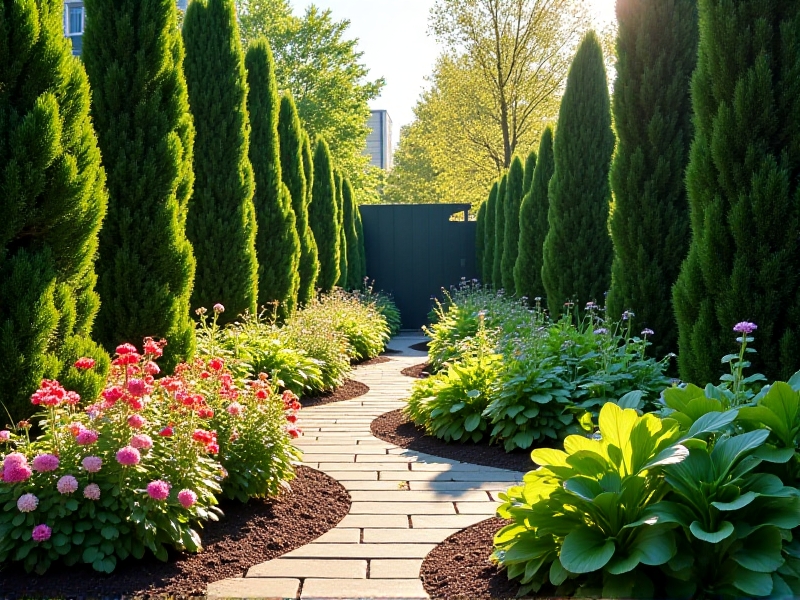
Selecting species for urban windbreaks requires balancing height, density, and adaptability. Ideal plants have flexible branches to withstand gusts, evergreen foliage for year-round protection, or seasonal density. Consider root systems: shallow roots may interfere with pavements, while deep roots stabilize soil. Native species often thrive with minimal maintenance and support local ecosystems. For smaller spaces, columnar trees like Italian cypress or arborvitae offer vertical screens. In polluted areas, species like hawthorn or elderberry tolerate poor air quality. Always factor in hardiness zones and available sunlight to ensure long-term success.
Top Windbreak Trees for Small Spaces
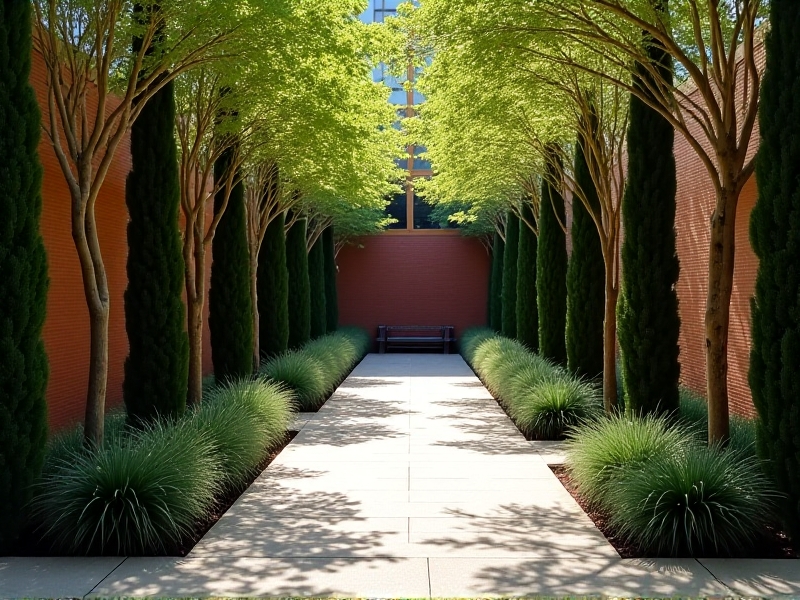
Urban gardens often lack space for sprawling canopies, making columnar or multi-stemmed trees ideal. Eastern red cedar ( Juniperus virginiana ) tolerates drought and poor soil while providing dense evergreen cover. For color, try ‘Fastigiata’ hornbeam, whose upright form turns golden in autumn. Japanese maple cultivars like ‘Crimson Queen’ add delicate texture and wind resistance in partial shade. Dwarf conifers, such as ‘Blue Arrow’ juniper, fit into tight corners. Multi-stemmed serviceberry ( Amelanchier ) blends ornamental blooms with edible berries. These species offer functionality without overwhelming limited square footage.

Shrubs and Grasses for Layered Protection
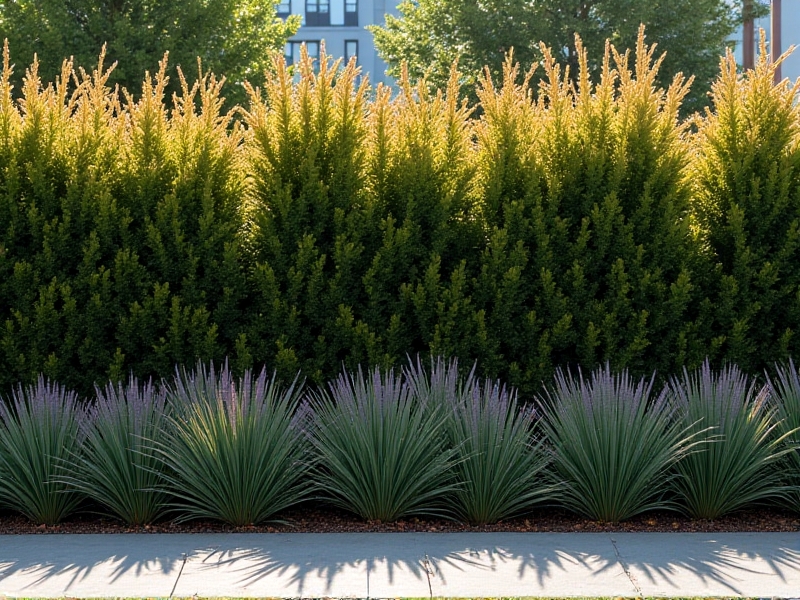
Shrubs and grasses add understory density, complementing taller trees. Red osier dogwood ( Cornus sericea ) thrives in wet soils and sports vibrant winter stems. Privet hedges grow quickly for temporary screens, while native boxwood offers evergreen structure. Ornamental grasses like miscanthus or feather reed grass sway gracefully, dissipating wind energy. For edible gardens, rosemary or lavender hedges provide aromatic windblocks. Layer species at varying heights to create a staggered barrier—this disrupts wind more effectively than a single row and adds visual depth to compact gardens.
Designing a Windbreak for Microclimates
Urban microclimates vary wildly—sun-baked rooftops, shaded alleys, or windy balconies. Tailor windbreaks to these conditions. For rooftop gardens, use drought-tolerant, lightweight species like sedum or yucca. In shaded areas, opt for shade-tolerant evergreens like holly or skip laurel. Angle plantings perpendicular to prevailing winds, and leave gaps near foundations to prevent moisture buildup. Incorporate trellises with climbing hydrangea or jasmine for vertical flexibility. Pair functional windbreaks with seating areas to create sheltered nooks that extend outdoor usability across seasons.
Maintenance Tips for Healthy Windbreaks
Urban windbreaks need regular care to thrive in constrained environments. Water deeply but infrequently to encourage drought resilience, using drip irrigation to target roots. Prune deciduous trees in late winter to maintain shape and airflow. Monitor for pests like aphids, which thrive in sheltered urban pockets, and use integrated pest management. Replace mulch annually to retain soil moisture and suppress weeds. For container-grown plants, repot every 2–3 years to prevent root binding. Seasonal checks for damage from road salt or pollution ensure long-term vigor and aesthetics.
Overcoming Urban Windbreak Challenges
Limited space, soil contamination, and harsh microclimates demand creative solutions. Use espaliered trees—trained flat against walls—to save space. For contaminated soils, build raised beds or plant in containers with clean soil. Wind-tolerant grasses like switchgrass stabilize slopes while filtering runoff. Collaborate with neighbors to create communal windbreaks along property lines. In extreme wind corridors, supplement plants with permeable fences or bamboo screens. Always test soil pH and nutrients before planting, and amend with compost to boost vitality in degraded urban substrates.
Case Studies: Successful Urban Windbreaks
In Seattle, the Bullitt Center’s rooftop garden uses native red cedars and sword ferns to buffer Pacific winds, reducing energy use by 25%. Chicago’s Lurie Garden employs prairie grasses and bur oaks to soften lakefront gusts while supporting migratory birds. Tokyo’s vertical farms integrate bamboo and camellia hedges to dampen typhoon winds. These examples showcase how tailored species selections and thoughtful design turn urban wind challenges into ecological and aesthetic assets. Adapt their strategies to your locale for similar success.