Thermal Mass Planting for Frost Protection
Understanding Thermal Mass in Horticulture
Thermal mass refers to materials that absorb, store, and slowly release heat, a principle commonly applied in architecture and now gaining traction in sustainable gardening. In frost-prone regions, plants are vulnerable to sudden temperature drops, which can damage cell structures and stunt growth. By integrating thermal mass elements into garden design, gardeners can create microclimates that buffer against frost. Materials like stone, water, and dense soil act as heat reservoirs, soaking up warmth during the day and radiating it at night. This process moderates temperature swings, shielding delicate plants from freezing conditions. Understanding how thermal mass interacts with local climate and plant needs is the first step toward harnessing its protective potential.
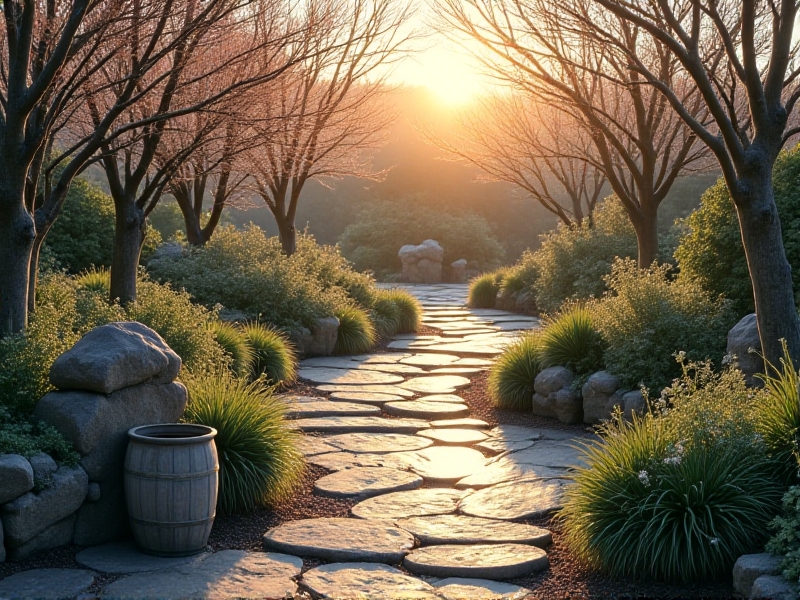
How Thermal Mass Mitigates Frost Damage
Frost damage occurs when ice crystals form inside plant cells, causing them to rupture. Thermal mass intervenes by slowing the rate of temperature decline. For example, a stone wall exposed to sunlight absorbs heat energy, which it releases hours later as the air cools. This delayed heat transfer can keep the immediate environment above critical freezing thresholds. Water features, such as ponds or rain barrels, are particularly effective because water has a high heat capacity—it takes longer to cool than soil or air. Even compost piles, when strategically placed, act as biological thermal mass, generating mild heat through decomposition. By positioning these elements near vulnerable plants, gardeners create a subtle thermal blanket that reduces frost risk without artificial energy inputs.
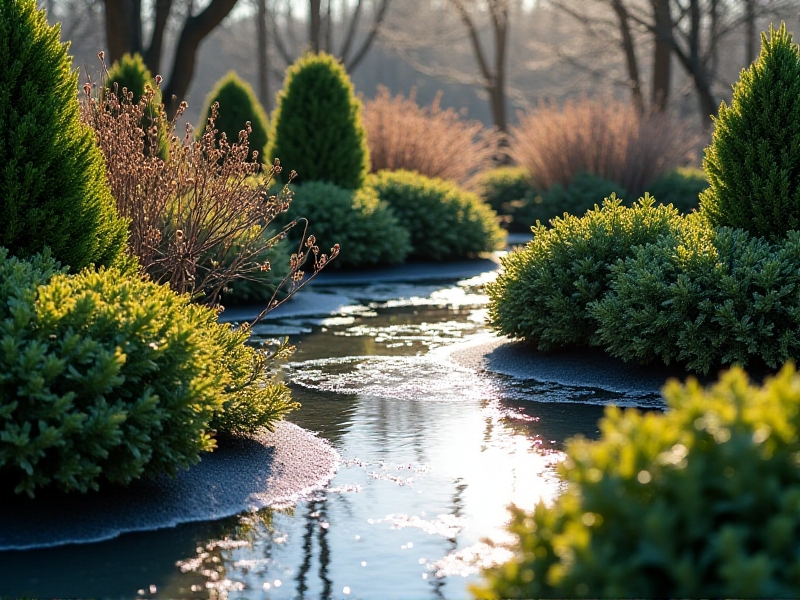
Choosing the Right Thermal Mass Materials
Not all thermal mass materials are equally suited for frost protection. Stone and concrete excel in durability and heat retention but require careful placement to avoid shading plants. Dark-colored rocks or walls absorb more solar energy than lighter ones. Water containers should be positioned to maximize sun exposure and proximity to beds—metal or dark-painted barrels work best. Soil itself can be optimized: moist clay soils retain heat better than sandy soils. For temporary solutions, consider using black plastic mulch or sand-filled tires, which warm quickly during the day. Always balance functionality with aesthetics; a well-designed thermal mass garden blends practicality with natural beauty, avoiding a cluttered or industrial appearance.
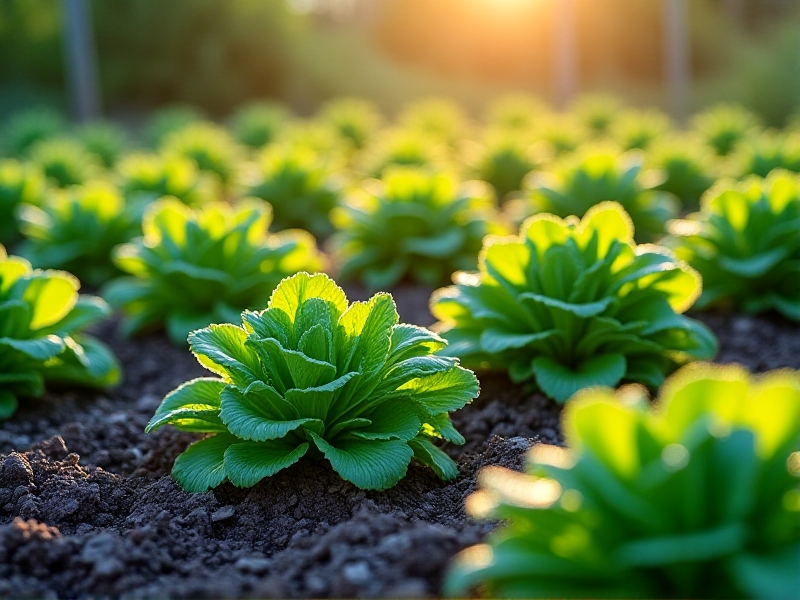
Design Strategies for Thermal Mass Planting
Effective thermal mass design starts with sun mapping. Identify areas that receive the most sunlight and place heat-absorbing materials there. Curved stone walls or semicircular water features can trap and radiate heat toward planting zones. Slope matters: positioning thermal mass on a south-facing slope maximizes solar absorption in the Northern Hemisphere. Companion planting enhances the effect—grow low, frost-sensitive plants near thermal mass and taller, hardier species on the periphery. Avoid overcrowding materials, as airflow is essential to prevent humidity buildup, which can exacerbate frost damage. Test the design by monitoring temperature variations with a simple max-min thermometer to refine placements before the first frost hits.
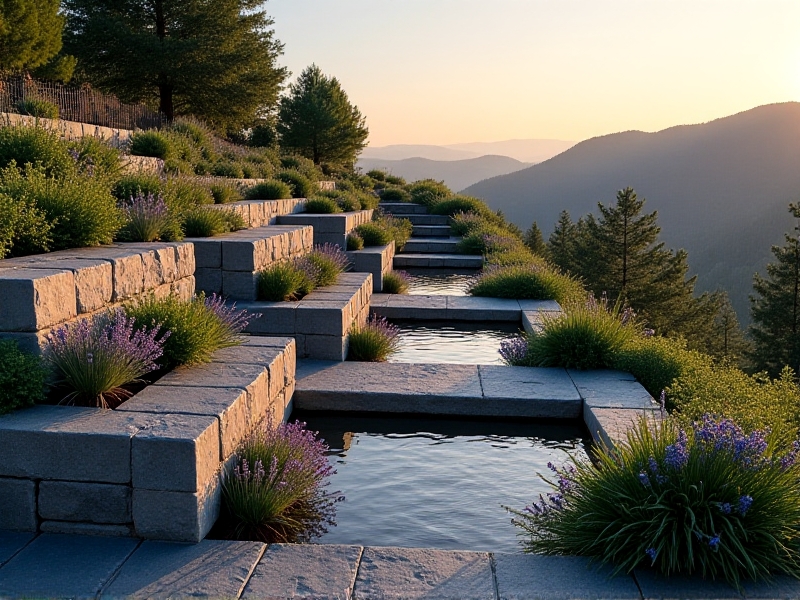
Case Study: A Frost-Resilient Vegetable Garden
In Colorado’s Rocky Mountain foothills, a community garden reduced frost losses by 70% using thermal mass strategies. Volunteers installed a network of rain barrels painted black, surrounded by gabion walls filled with local basalt. Raised beds were amended with compost-rich soil, and pathways were paved with dark flagstones. During a mid-October frost event, temperatures in the garden stayed 4°F (2.2°C) higher than adjacent open fields. Cold-sensitive crops like tomatoes and peppers, typically harvested by Labor Day, thrived into early November. This success underscores how even modest investments in thermal mass can extend growing seasons and boost food security in challenging climates.
Combining Thermal Mass with Other Frost Protection Methods
While powerful, thermal mass works best when paired with complementary techniques. Row covers or cloches add an extra layer of insulation on frigid nights. Windbreaks made of shrubs or fencing reduce heat loss from wind chill. For potted plants, burying containers in soil leverages the ground’s thermal stability. Microclimate stacking—grouping plants with similar cold tolerance near thermal mass—optimizes space and protection. Avoid over-reliance on any single method; instead, create a resilient system where thermal mass serves as the foundation, supplemented by targeted interventions during extreme weather events. This layered approach ensures adaptability across variable winters.
Challenges and Limitations of Thermal Mass Systems
Thermal mass isn’t a universal solution. In regions with prolonged overcast winters, materials struggle to absorb sufficient daytime heat. Heavy materials like stone may require structural support, limiting their use in rented gardens or balconies. Water features can become mosquito breeding grounds if not maintained. Additionally, thermal mass works within a limited radius—usually 3–6 feet (1–2 meters) from the heat source. Gardeners in extremely cold zones (below USDA Zone 5) might still need supplemental heat. Acknowledge these constraints early in the design process, and consider hybrid systems that balance thermal mass with affordable technology like hoop houses or soil heating cables.
Future Trends in Frost-Resistant Garden Design
Innovations in materials science are expanding thermal mass possibilities. Phase-change materials (PCMs), which store latent heat during state changes (e.g., wax melting and solidifying), are being tested in agricultural fabrics. Recycled glass aggregates, pressed into permeable pavers, offer lightweight thermal storage. Sensor technology enables real-time microclimate monitoring, allowing dynamic adjustments—imagine a smart water feature that circulates warmer water when frost is detected. As climate patterns shift, these advances will help gardeners adapt thermal mass principles to new challenges, merging tradition with cutting-edge science for resilient food and landscape systems.