Thermal Banking with Rock Mulches
Understanding Thermal Banking in Sustainable Landscaping
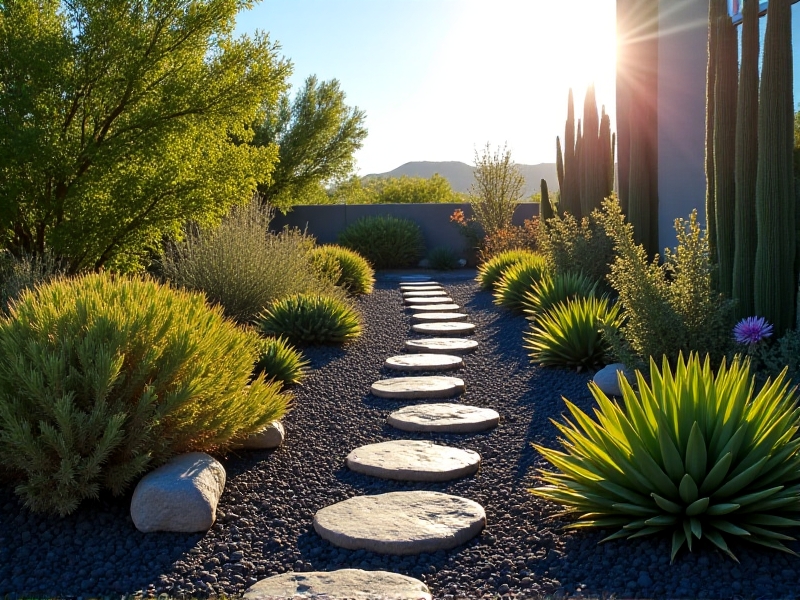
Thermal banking, a concept rooted in passive solar design, leverages natural materials to regulate soil temperature. Rock mulches play a pivotal role in this process by acting as thermal reservoirs. Unlike organic mulches, rocks absorb heat during the day and release it slowly at night, creating a stable microclimate. This practice is especially valuable in regions with extreme temperature fluctuations, where maintaining soil warmth can extend growing seasons or protect root systems from frost. By integrating rock mulches into landscaping, gardeners and farmers harness the Earth’s inherent thermal properties to optimize plant health and resource efficiency.
The Science Behind Rock Mulches and Soil Temperature Regulation
Rocks, particularly those with high thermal mass like basalt or granite, absorb solar radiation efficiently. During daylight, they store heat, reducing soil temperature spikes. At night, this stored energy radiates upward, mitigating frost damage. Studies show that rock mulches can reduce daytime soil temperatures by up to 10°F while raising nighttime temperatures by 3–5°F. The size and color of rocks also influence performance: darker stones absorb more heat, while larger rocks create air pockets that enhance insulation. This dynamic interaction between geology and microclimate underscores the importance of strategic rock selection and placement.

Benefits of Thermal Banking with Rock Mulches in Agriculture and Gardening
Beyond temperature control, rock mulches suppress weeds, reduce water evaporation, and prevent soil erosion. Crops like grapes and olives, which thrive in warm root zones, see improved yields. In arid regions, combining rocks with drip irrigation can cut water use by 30%. Gardens also benefit aesthetically—rock mulches offer a low-maintenance, polished look. Additionally, they eliminate the need for frequent mulch replacement, making them a cost-effective, long-term solution. For urban gardeners, rock mulches mitigate the "heat island" effect by reflecting sunlight, further contributing to environmental sustainability.
Choosing the Right Rocks for Effective Thermal Regulation
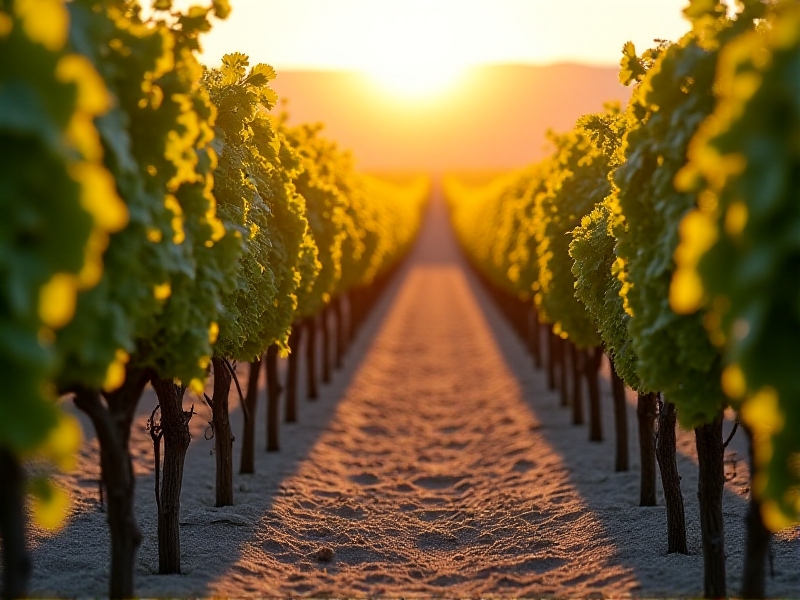
Not all rocks are equal in thermal banking. Dark, dense stones like basalt excel in heat absorption, ideal for cool climates. Light-colored limestone reflects sunlight, suitable for hot regions. Size matters: pebbles (1–3 inches) balance insulation and airflow, while larger stones hinder weed growth but may trap excess heat. Avoid porous rocks like sandstone in humid areas, as they retain moisture and promote root rot. Locally sourced rocks reduce environmental impact and blend seamlessly with regional landscapes. Always test a small area before full-scale installation to gauge thermal performance.
Step-by-Step Guide to Implementing Rock Mulch Systems
Begin by clearing the area of weeds and debris. Lay a permeable landscape fabric to prevent soil-rock mixing. Spread rocks 2–4 inches deep, ensuring even coverage. Leave space around plant stems to avoid heat damage. For sloped terrain, use larger stones to anchor the mulch. Incorporate companion plants like thyme or sedum between rocks for added erosion control. Monitor soil temperature for the first season, adjusting rock density as needed. Pair with drip irrigation to maximize water efficiency. Regular maintenance involves occasional raking and debris removal to maintain thermal efficacy.
Seasonal Considerations for Maximizing Thermal Efficiency
In spring, rock mulches warm soil earlier, jumpstarting seed germination. Summer demands lighter-colored rocks to reflect excess heat, protecting shallow roots. Autumn preparation involves adding a thicker layer to insulate perennials during winter. In snowy climates, dark rocks accelerate snowmelt, preventing root suffocation. Adjust rock depth seasonally: reduce layering in humid summers to avoid overheating, and increase it in winter for frost protection. Pairing deciduous trees with rock mulches creates natural shade in summer while allowing sunlight in winter, enhancing year-round thermal balance.
Case Studies: Successful Applications of Rock Mulch Thermal Banking
A vineyard in Napa Valley reduced frost damage by 40% using basalt mulches, extending their harvest window. In Arizona, a community garden cut water usage by half with limestone-covered plots. Urban rooftops in Chicago employ light-colored rocks to lower ambient temperatures, reducing HVAC costs. These examples demonstrate the versatility of rock mulches across climates and scales. Farmers report not only economic savings but also improved soil biology, as stable temperatures foster beneficial microorganisms. Such success stories underscore rock mulches’ potential in sustainable land management.
Common Mistakes to Avoid When Using Rock Mulches for Thermal Banking
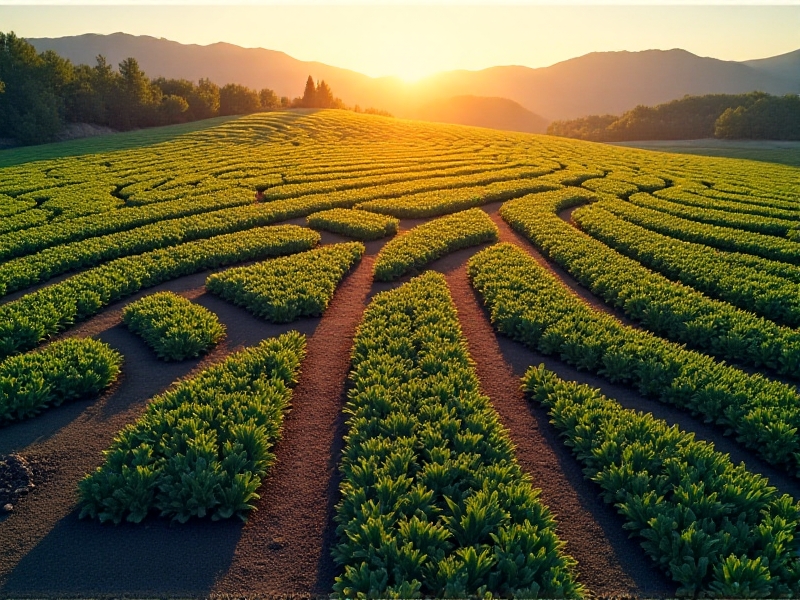
Overheating is a frequent issue—using dark rocks in deserts can scorch plants. Always match rock color to climate. Skipping landscape fabric leads to soil compaction and weed breakthrough. Avoid placing rocks too close to wooden structures, as reflected heat may cause warping. Neglecting drainage can result in water pooling; ensure a slight slope. Using uniform rock sizes limits airflow—mix pebbles and stones. Lastly, remember that rocks don’t enrich soil; supplement with compost to maintain fertility. Education and careful planning prevent these pitfalls.
Comparing Rock Mulches to Organic and Synthetic Alternatives
Wood chips decompose, enriching soil but requiring replenishment—ideal for nutrient-poor areas. Rubber mulch, while durable, lacks thermal benefits and can leach toxins. Rock mulches offer permanence and superior temperature regulation but don’t improve soil structure. In fire-prone regions, rocks are safer than flammable organic options. Cost-wise, rocks have higher upfront expenses but lower lifetime costs. Hybrid systems, like combining rocks with compost layers, merge thermal and nutritional advantages. The choice hinges on climate, goals, and maintenance capacity.
Future Trends in Thermal Banking and Sustainable Soil Management
Innovations include "smart rocks" embedded with sensors to monitor soil metrics in real time. Solar-reactive coatings could enhance thermal absorption. Urban planning integrates rock mulches into green infrastructure to combat climate extremes. Research into indigenous practices, like Navajo stone stacking, informs modern designs. As regenerative agriculture gains traction, thermal banking will play a key role in carbon sequestration by stabilizing microbial habitats. These advancements promise to make rock mulches a cornerstone of ecologically resilient landscapes.