Seed Bomb Recipes for Clay Soils
Understanding Clay Soil and Its Challenges for Seed Bombs
Clay soil, dense and nutrient-rich, poses unique challenges for gardeners. Its tightly packed particles retain water but struggle with drainage, often leading to waterlogged roots or hardened surfaces during dry spells. Seed bombs—compressed bundles of seeds, clay, compost, and moisture—must be tailored to overcome these conditions. Traditional seed bomb recipes may fail here, as seeds require extra support to penetrate the heavy soil and access sunlight. Choosing clay-compatible plant species and adjusting the bomb's composition are critical first steps.

Ingredients for Clay-Specific Seed Bombs
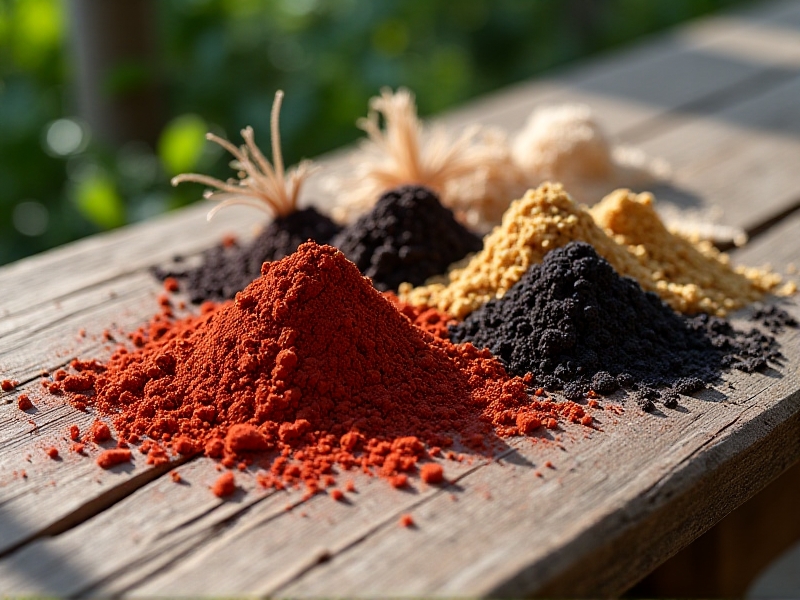
Effective seed bombs for clay soils require three core components: a binding agent, organic matter, and resilient seeds. Use powdered red or gray clay (not polymer clay) to mimic the soil’s natural structure. Combine it with coarse compost or coconut coir to improve aeration and water retention. Seeds should be native plants adapted to clay, such as coneflowers, milkweed, or black-eyed Susans. Add mycorrhizal fungi to boost root health. Avoid fine sand, which can further compact the soil. Mix ratios matter: aim for 3 parts clay, 2 parts compost, and 1 part seeds for balanced durability and nutrient release.
Step-by-Step Clay Soil Seed Bomb Recipe
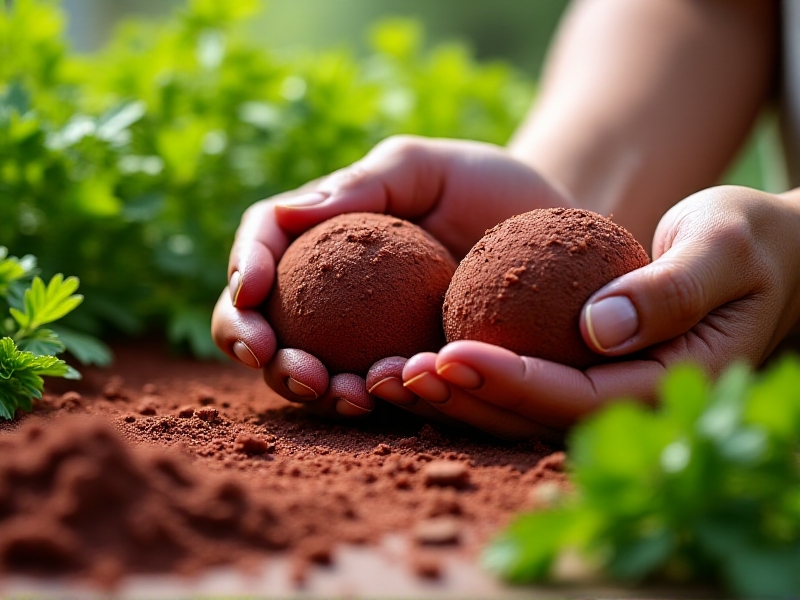
Begin by sifting clay powder to remove lumps. In a bowl, combine 3 cups clay, 2 cups compost, and 1 cup seeds. Gradually add water while kneading until the mixture reaches a dough-like consistency. Roll into 1-inch balls, place on parchment paper, and air-dry for 24–48 hours. For extra grit, add crushed oyster shells or perlite. Test one bomb: when thrown, it should crumble on impact but hold shape during drying. Pro tip: Use stratified seeds (cold-treated) to improve germination rates in clay’s slow-warming environment.
Best Plant Species for Clay Soil Seed Bombs
Not all plants thrive in clay, but natives and hardy perennials excel. Consider these categories:
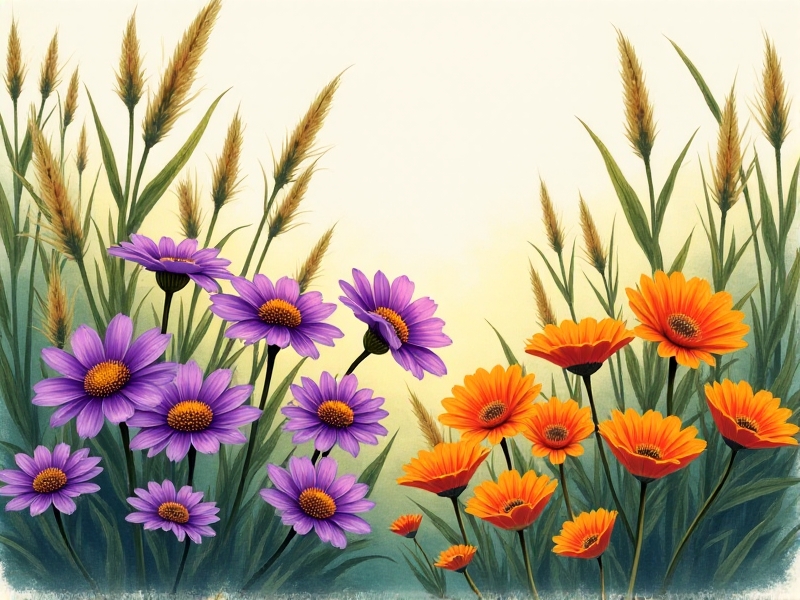
- Pollinator Magnets: Purple coneflower (Echinacea), Bee balm (Monarda), and Swamp milkweed.
- Erosion Controllers: Big bluestem grass, Switchgrass, and River oats.
- Clay-Breaking Pioneers: Daikon radish (for nitrogen) and Sunflowers.
These species develop deep root systems to fracture compacted soil. Avoid delicate annuals like poppies, which may rot in clay’s moisture. Layer complementary plants in each bomb—for example, pair quick-sprouting legumes with slower perennials for staggered growth.
Seasonal Timing and Application Techniques
Clay soils warm slowly, making spring planting tricky. Launch seed bombs in late autumn—they’ll stratify over winter and germinate as temperatures rise. Alternatively, wait until mid-spring when soil is workable. Toss bombs onto cleared ground after a rain (moist soil aids adhesion). For slopes prone to erosion, embed bombs slightly into the soil. Space them 12–18 inches apart to prevent overcrowding. Monitor for soil crusting; gently rake surfaces if a hard layer forms post-germination.
Long-Term Care for Seed-Bombed Clay Gardens
Clay’s density means seedlings need extra support. Mulch lightly with straw to retain moisture without suffocating sprouts. Avoid synthetic fertilizers—opt for compost tea to nourish soil microbes. In year two, introduce earthworms to improve tilth. Rotate plant varieties annually to prevent nutrient depletion. Track progress: healthy clay soil should develop a crumbly texture over 2–3 seasons, a sign your seed bombs are working!