School Garden Permaculture Curricula
The Role of Permaculture in Modern Education
School gardens are no longer just plots for growing vegetables—they’re dynamic classrooms where students learn sustainability, ecology, and resilience. Integrating permaculture into school curricula transforms these spaces into living laboratories. Permaculture, a design system rooted in mimicking natural ecosystems, offers students hands-on opportunities to explore interconnected concepts like soil health, water conservation, and biodiversity. By engaging in garden-based learning, children develop critical thinking skills while fostering a sense of environmental stewardship. Educators report that students involved in permaculture projects exhibit increased curiosity about nature and a deeper understanding of food systems, making these gardens vital tools for 21st-century education.
Designing a Permaculture Curriculum: Key Components
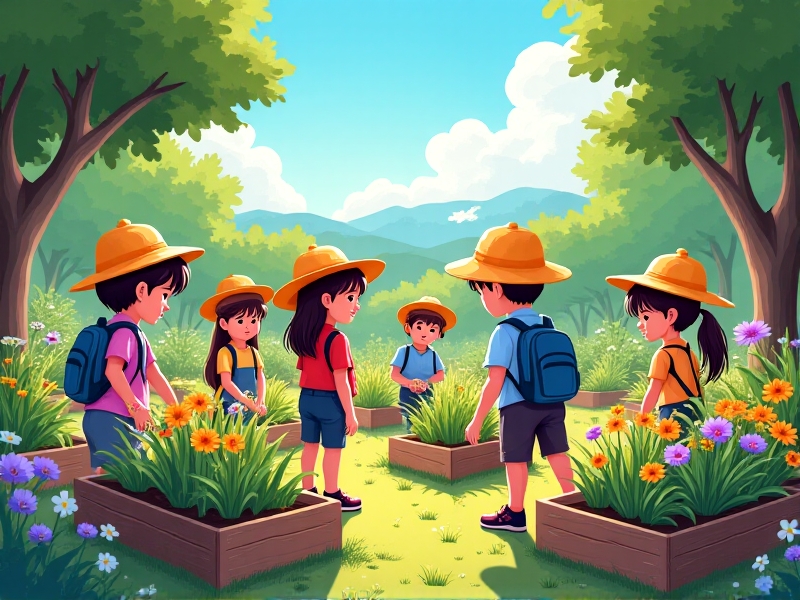
Creating a permaculture curriculum requires balancing theory with practice. Core modules might include soil science basics, composting techniques, and companion planting strategies. Lesson plans should scaffold learning, starting with simple observations of local ecosystems before progressing to designing garden layouts using permaculture principles like zone planning and stacking functions. Seasonal cycles become teaching moments—students track plant growth in spring, manage water systems during summer, and prepare compost in fall. Assessments could involve designing hypothetical sustainable farms or maintaining journals documenting ecological changes. Successful curricula often integrate storytelling, art, and cultural studies to connect land stewardship with historical and social contexts.
Core Permaculture Principles for Classroom Integration
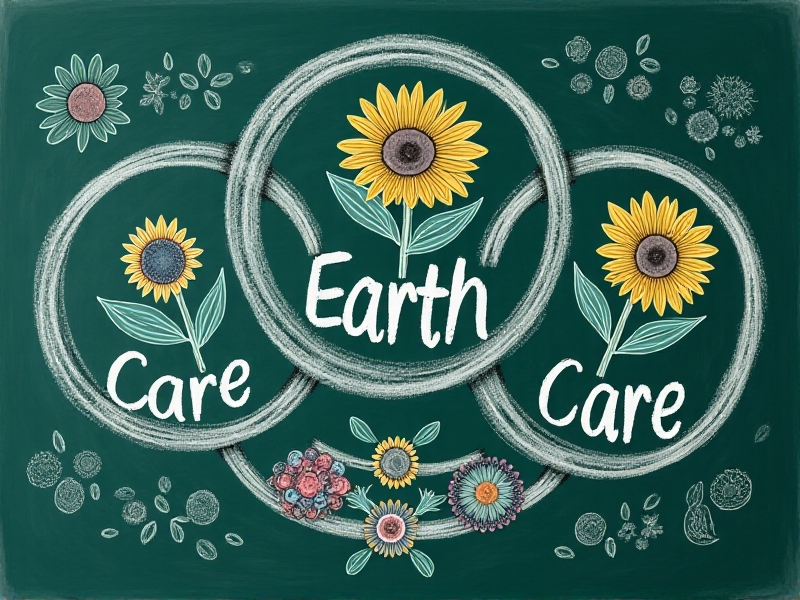
Three ethical pillars of permaculture—Earth Care, People Care, and Fair Share—provide frameworks for discussions about environmental justice and resource distribution. Practical principles like ‘observe and interact’ teach patience as students monitor seed germination rates, while ‘catch and store energy’ becomes tangible through building solar dehydrators. Teachers might challenge classes to apply ‘use small, slow solutions’ by comparing traditional vs. permaculture farming yields over a semester. These concepts naturally align with science standards while encouraging systems thinking—a sixth-grade class might debate how ‘integrating rather than segregating’ applies to both plant guilds and classroom relationships.
Hands-On Activities: From Composting to Food Forests
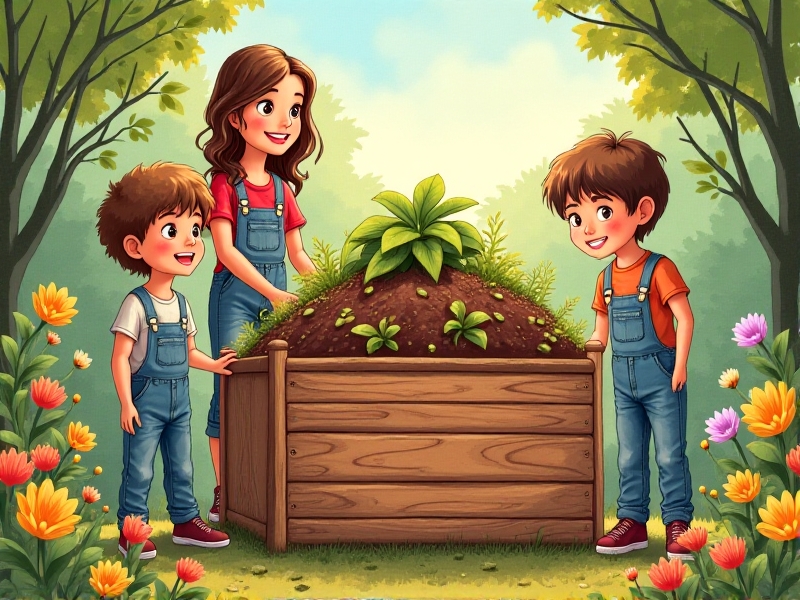
Nothing cements permaculture concepts like getting dirt under fingernails. Starter activities include building lasagna compost layers (carbon-rich cardboard topped with nitrogenous food scraps) or crafting seed balls from clay and wildflower seeds. Older students might engineer swales to manage runoff or install hugelkultur beds. A semester-long project could involve establishing a food forest guild—planting nitrogen-fixing shrubs beneath fruit trees with groundcover strawberries. These projects teach physics (water flow dynamics), chemistry (pH testing), and math (yield calculations) organically. One Oregon school’s ‘Pollinator Cafe’ project saw students research native plants, calculate bed dimensions, and host a community planting day—a holistic learning experience.
Bridging STEM and Humanities Through Garden Ecology
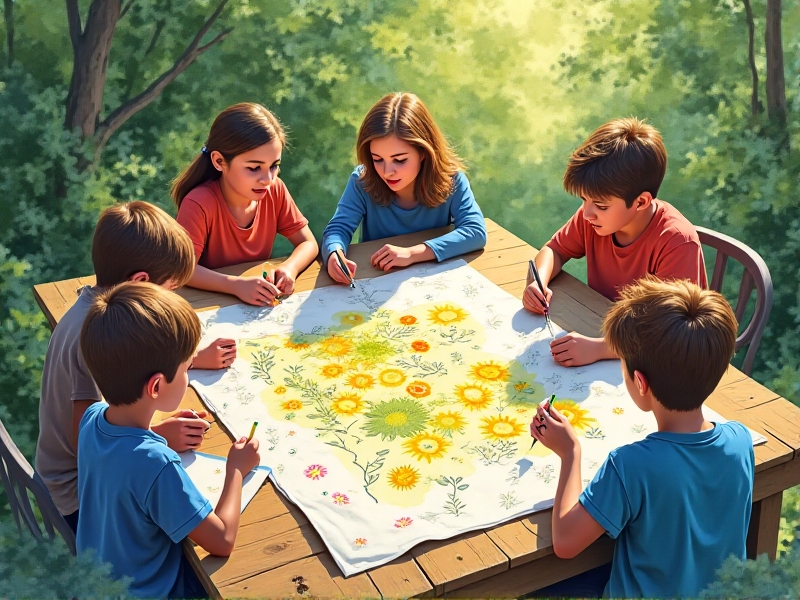
Permaculture naturally bridges disciplines—a soil pH experiment becomes data for math class graphs, while journaling about garden changes enhances writing skills. History lessons might explore ancient Mesoamerican chinampas or Dust Bowl-era erosion, prompting debates about modern agriculture. In art classes, students sketch plant life cycles or design garden mosaics from recycled materials. A Pennsylvania high school’s ‘Climate-Resilient Garden’ unit had biology students test drought-tolerant crops, English classes write eco-poetry, and shop students build raised beds—an interdisciplinary approach demonstrating permaculture’s versatility as an educational lens.
Overcoming Challenges: Funding, Training, and Seasonality
Implementing permaculture curricula isn’t without hurdles. Grants from organizations like USDA Farm to School or local nonprofits can offset startup costs. Teacher training might involve workshops with master gardeners or online permaculture design certificates. Seasonality challenges become opportunities—students in colder climates study indoor hydroponics or plan spring gardens during winter months. A Minnesota elementary school partners with a community greenhouse, enabling year-round programming. Success often hinges on administrative buy-in; pilot programs demonstrating improved test scores in ecology units or student engagement metrics help build support.
Community Partnerships and Real-World Impact
School gardens thrive when linked to broader networks. Partnerships with local farms provide mentorship and soil donations, while collaboration with chefs transforms harvests into cafeteria meals. Service-learning components might have students design herb gardens for senior centers or organize seed swaps. Tracking impact deepens learning—a Texas middle school’s annual ‘Water Audit’ calculates gallons saved through their permaculture swales, tying into municipal conservation goals. These connections help students see their work as part of larger sustainability movements, preparing them to be informed, proactive citizens.
Case Study: A Permaculture-Powered School District
Since 2018, the Green Hills School District has embedded permaculture into K-12 curricula. Kindergarteners tend pollinator gardens, fifth graders run compost cafes, and high schoolers manage a 2-acre food forest supplying the district’s salad bars. Standardized test scores in science rose 15% district-wide, while disciplinary referrals dropped—a testament to the program’s engagement benefits. Challenges like initial funding ($25k crowdfunded via community donors) and teacher training (summer permaculture internships) were mitigated through strategic partnerships. This model, now replicated across three states, proves that school gardens can be both pedagogical powerhouses and community cornerstones.
Growing Forward: Scaling Permaculture Education
The future of school-based permaculture lies in digital integration and policy advocacy. Virtual reality tools could let students design 3D garden models, while apps track carbon sequestration from their trees. Policy-wise, educators are lobbying for permaculture modules in state science standards. Early adopter schools are mentoring newcomers via online platforms, sharing lesson plans and troubleshooting challenges. As climate urgency grows, these programs aren’t just teaching sustainability—they’re cultivating generations equipped to regenerate the planet.