Passive Solar Cold Frame Construction
Understanding Passive Solar Cold Frame Basics
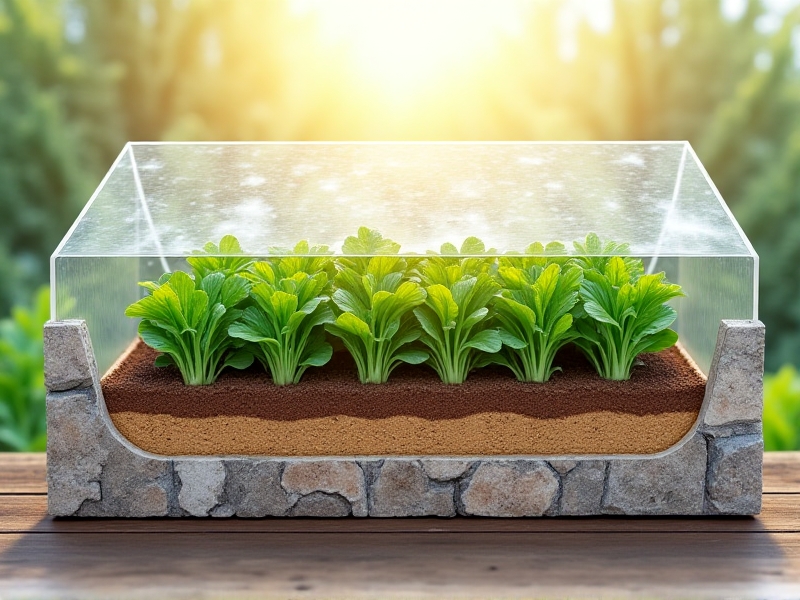
Passive solar cold frames are simple yet ingenious structures designed to harness sunlight for extending the growing season, protecting plants, and reducing energy use. Unlike traditional greenhouses, which often rely on supplemental heating, passive designs leverage natural heat retention and sunlight absorption. A typical cold frame consists of an insulated, south-facing box with a transparent lid (glazing) that traps solar energy. The angle of the lid, thermal mass materials like stone or water containers, and proper insulation are critical to maintaining stable temperatures even during freezing nights.
Design Principles for Optimal Solar Gain
Maximizing solar gain requires careful orientation and glazing choices. The cold frame should face true south (in the Northern Hemisphere) to capture the most sunlight during winter months. Glazing materials like polycarbonate or tempered glass balance durability and light diffusion. A 30-45 degree lid angle optimizes light absorption based on latitude—steeper angles for higher latitudes. Reflective materials on the north wall, such as white paint or aluminum foil, bounce additional light onto plants. Thermal mass elements, like dark-painted water jugs or stone pavers, absorb heat during the day and release it slowly at night, preventing temperature drops.
Material Selection for Durability and Efficiency
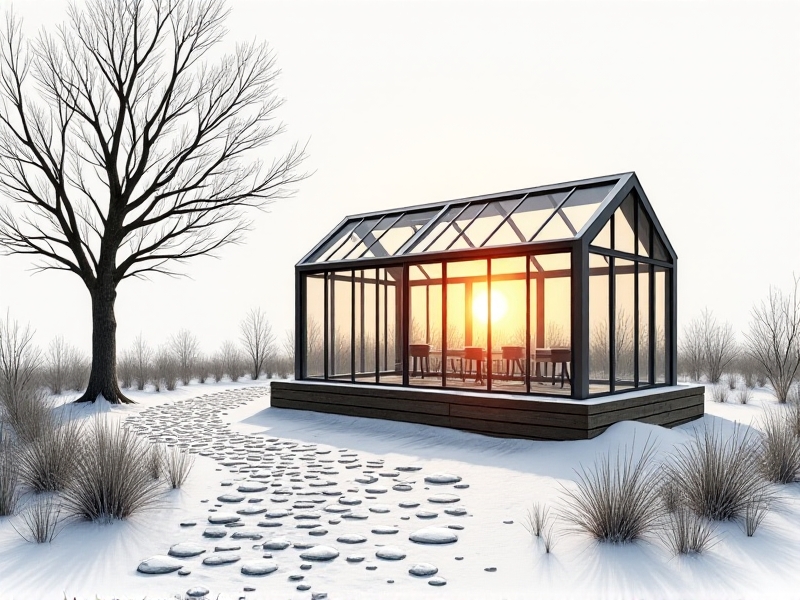
Choosing materials impacts longevity and performance. Rot-resistant woods like cedar or reclaimed plastic lumber are ideal for frames. Polycarbonate panels (6-8mm thick) offer better insulation than glass and resist hailstorms. Insulate walls with rigid foam boards (R-5 or higher) or straw bales for budget-friendly options. Avoid toxic materials—pressure-treated wood or PVC may leach chemicals into soil. For thermal mass, recycled brick or concrete blocks work well, though they should be sealed to prevent moisture damage. A weatherstrip-sealed lid with a pneumatic arm ensures easy ventilation without heat loss.
Step-by-Step Construction Guide
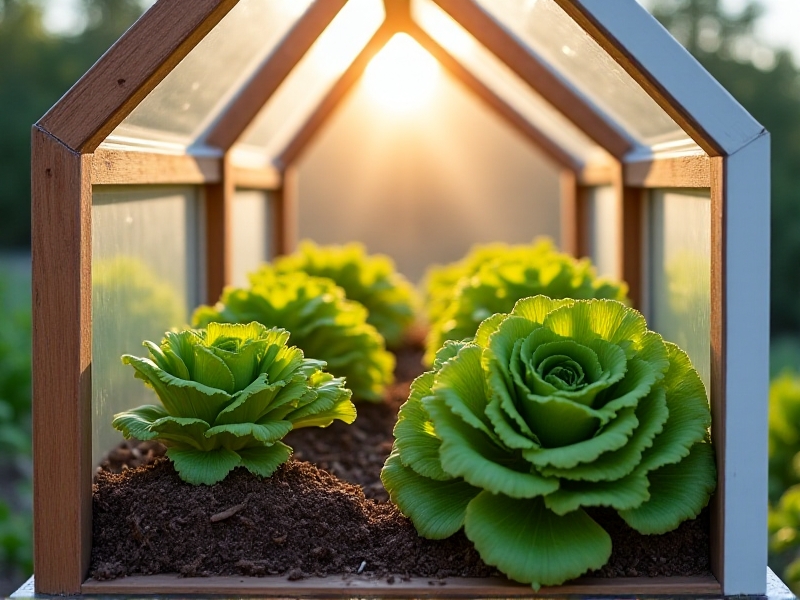
Begin by preparing a level, well-drained site. Construct a rectangular frame using 2x6 cedar boards, ensuring the back wall is 6-12 inches taller than the front for optimal lid angle. Attach hinges to the glazing panel and reinforce corners with galvanized brackets. Line interior walls with foil-faced foam board, sealing gaps with spray foam. Add a 4-inch layer of gravel beneath the soil for drainage, topped with a mix of compost and garden soil. Install a thermometer and automatic vent opener to regulate temperature. Test the structure by monitoring internal temps over a week—adjust insulation or thermal mass as needed.

Seasonal Adaptations and Crop Management
Passive solar cold frames require seasonal tweaks. In winter, add row covers or bubble wrap over glazing during extreme cold snaps. Plant cold-hardy greens like mâche and claytonia. Come spring, prop the lid open during daytime to prevent overheating. Transition to heat-loving crops like tomatoes by mid-summer, using shade cloth to diffuse intense sun. Autumn is ideal for extending harvests of root vegetables—layer leaves around the exterior for extra insulation. Rotate crops annually to prevent disease and replenish soil with organic amendments after each season.
Case Studies: Real-World Applications
Urban gardener Maria Gonzalez in Zone 6b grows citrus trees year-round by combining her cold frame with a buried clay pot irrigation system. In Vermont, farmer John Harper uses stacked stone thermal masses to maintain 40°F temperatures during -10°F winters, supplying fresh kale to local markets. A Colorado school’s STEM program built a student-designed cold frame using recycled windows and aluminum cans filled with water, demonstrating thermodynamics through hands-on learning. These examples prove passive solar techniques are scalable and adaptable to diverse climates.
Common Mistakes and How to Avoid Them
Overlooking ventilation causes overheating—install automatic openers or check daily. Shallow soil depth (less than 18 inches) restricts root growth for perennials. Avoid placing frames near deciduous trees that block winter sun. Neglecting pest control invites aphids and slugs; use fine mesh screens and diatomaceous earth barriers. Ensure drainage systems prevent waterlogging during rains. Finally, monitor microclimates—a south-facing wall may reflect excessive heat in summer, requiring adjustable shading solutions.