Nitrogen-Fixing Cover Crop Combinations
The Science Behind Nitrogen Fixation in Cover Crops
Nitrogen is a cornerstone of plant growth, essential for chlorophyll production and protein synthesis. While synthetic fertilizers provide a quick fix, sustainable agriculture leans on nature’s own mechanisms—enter nitrogen-fixing cover crops. These plants host symbiotic bacteria called rhizobia in their root nodules, which convert atmospheric nitrogen (N₂) into ammonia (NH₃), a form usable by plants. Legumes like clover, vetch, and peas are classic examples, but non-leguminous plants such as alder trees also contribute. The process hinges on the mutualistic relationship between plant and microbe: the plant supplies carbohydrates to the bacteria, while the bacteria reciprocate with bioavailable nitrogen. This natural exchange not only enriches soil fertility but also reduces reliance on chemical inputs, fostering a regenerative agricultural cycle.

Top Nitrogen-Fixing Cover Crop Combinations for Small Farms
Pairing complementary species maximizes nitrogen fixation and soil benefits. A popular duo is crimson clover and winter rye. Clover fixes nitrogen while rye’s dense roots prevent erosion and suppress weeds. For warmer climates, cowpeas and sorghum-sudangrass thrive; cowpeas add nitrogen, and the grass’s deep roots break up compacted soil. Another dynamic trio includes hairy vetch, daikon radish, and oats. Vetch fixes nitrogen, radish taps into subsoil nutrients, and oats provide quick ground cover. These combinations work synergistically—legumes supply nitrogen, while grasses or brassicas improve soil structure and scavenge nutrients. Farmers should tailor mixes to regional climates, soil types, and rotational crop needs, ensuring year-round soil coverage and nutrient cycling.
Benefits of Diversifying Cover Crop Species
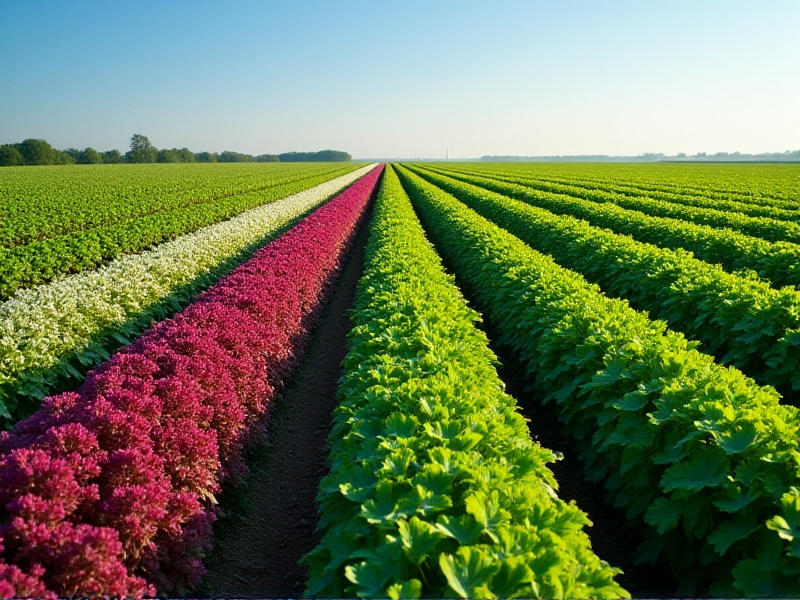
Monoculture cover crops risk pest outbreaks and nutrient imbalances. Diversifying species enhances resilience and functionality. Multi-species blends improve nitrogen availability through varied root depths and decomposition rates. For instance, shallow-rooted clover fixes nitrogen near the surface, while deep-rooted alfalfa mines nutrients from subsoil layers. Diverse mixes also support beneficial insects, reduce disease spread, and create habitat for pollinators. Additionally, combining legumes with non-legumes ensures continuous ground cover—legumes may winterkill in cold climates, but hardy cereals like rye persist. This biodiversity mimics natural ecosystems, fostering soil microbiology and organic matter accumulation. The result? Healthier crops, reduced input costs, and a buffer against extreme weather.

Seasonal Strategies for Planting Cover Crops
Timing is critical for cover crop success. Cool-season blends like winter peas and barley thrive when planted in late summer or early fall, surviving frost to protect soil through winter. Spring plantings favor quick-growing species such as berseem clover or mustards, which mature before summer crops. In warmer regions, tropical cover crops like sunn hemp grow rapidly during summer, fixing nitrogen and shading out weeds. For continuous coverage, stagger plantings using relay cropping—sow cover crops into standing cash crops before harvest. Termination timing also matters: letting legumes flower maximizes nitrogen fixation but delays decomposition. Aligning species with seasonal windows ensures year-round soil health without competing with primary crops.

Soil Types and Compatibility with Nitrogen-Fixing Crops
Soil texture and pH dictate cover crop performance. Legumes like alfalfa prefer well-drained, neutral soils (pH 6.0–7.0), while clovers tolerate heavier clay. For acidic soils, lupines thrive and even improve pH over time. Sandy soils benefit from deep-rooted species like pigeon pea, which stabilize loose substrates and enhance water retention. Testing soil before planting helps match species to conditions—adding lime for acidic soils or sulfur for alkaline adjustments ensures optimal rhizobia activity. In waterlogged areas, sesbania or red clover withstand wet conditions while fixing nitrogen. Tailoring crop choices to soil constraints turns weaknesses into strengths, building fertility in challenging environments.
Managing Cover Crops for Maximum Nitrogen Contribution
Effective management ensures nitrogen translates into cash crop benefits. Terminate cover crops 3–4 weeks before planting to allow residue decomposition. Mowing or roller-crimping preserves organic matter without herbicides. For legumes, measure nitrogen release with tissue tests—older plants release nitrogen slower due to higher carbon content. Interseeding cover crops into standing corn or soybeans accelerates establishment. Avoid overgrowth that hinders equipment; mix low-growing clovers with upright grasses for manageability. Post-termination, inoculate seeds with rhizobia to boost fixation rates. Balancing biomass production and timely termination turns cover crops into green manure, fueling subsequent crops sustainably.
Case Studies: Successful Farms Using Nitrogen-Fixing Blends
In Ohio, a corn-soybean rotation integrated with crimson clover and radish reduced nitrogen inputs by 30% while increasing yields. A California vineyard planted subterranean clover between rows, enhancing soil moisture and cutting irrigation needs. In India, smallholders using cowpea-sorghum intercrops doubled nitrogen retention and boosted millet yields. These examples underscore adaptability: whether large-scale or homestead, diverse cover crop systems deliver measurable benefits. Farmers report improved soil tilth, fewer pest outbreaks, and resilience to droughts. Sharing such success stories inspires adoption, proving ecology and productivity can coexist.