Neighborhood Seed Swap Networks
The Roots of Community Gardening: Why Seed Swaps Matter
Neighborhood seed swap networks are more than just exchanges of tiny plant embryos—they’re the heartbeat of grassroots environmental action. These gatherings, often held in community centers, parks, or even front yards, connect gardeners of all skill levels to share seeds, stories, and strategies for growing resilient food systems. Rooted in ancient traditions of seed saving, modern swaps blend heritage practices with contemporary ecological awareness, fostering biodiversity and strengthening community bonds. By swapping seeds, participants preserve heirloom varieties, reduce reliance on commercial agriculture, and reclaim control over their food sources.

Building Your Seed Swap Network: From Concept to Harvest
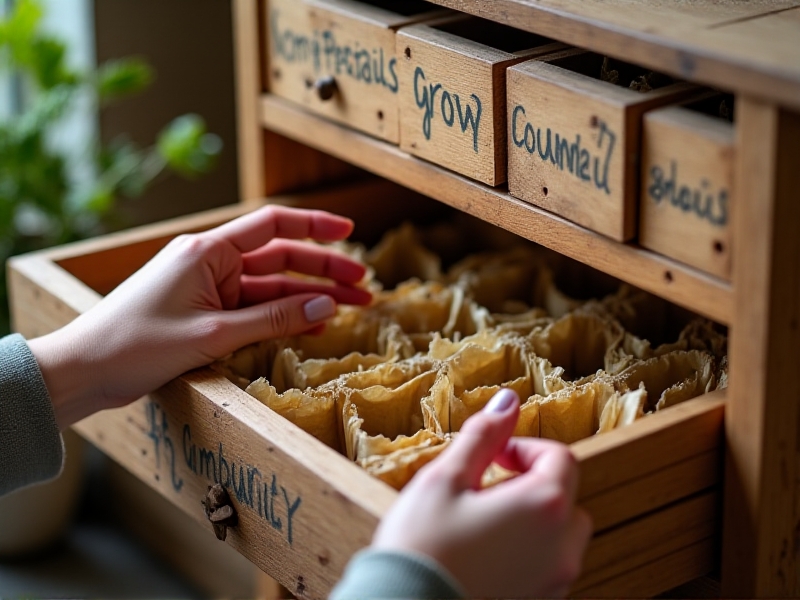
Starting a seed swap requires little more than enthusiasm and a few willing neighbors. Begin by identifying local gardening groups or sustainability advocates through social media, libraries, or farmers’ markets. Host an inaugural event in a accessible space—a school gym, community garden, or even a local café. Promote inclusivity by welcoming beginners: provide guides on seed-saving basics or host a quick workshop. Structure swaps as free exchanges (no money involved) to emphasize sharing over transaction. Over time, expand by creating a seed library—a curated collection where seeds are ‘checked out’ and returned after harvest. Partnerships with local nurseries or environmental nonprofits can amplify reach and resources.
Cultivating Biodiversity: The Ecological Impact of Seed Swaps
Industrial agriculture relies on monocultures—vast fields of identical crops—which erode genetic diversity and increase vulnerability to pests and climate shifts. Seed swaps counter this by celebrating rare, regionally adapted varieties. A single event might distribute Cherokee Purple tomato seeds alongside Malabar spinach, creating gardens that are both productive and ecologically dynamic. These diverse plots support pollinators, improve soil health, and act as living gene banks. For example, after California’s 2017 wildfire season, seed swap networks were critical in replanting gardens with heat-resistant varieties shared by members from arid regions.

Growing Together: Education and Inclusivity in Seed Sharing
Effective seed swaps prioritize knowledge exchange as much as seed distribution. Pair experienced growers with novices through mentorship programs or skill-sharing circles. Workshops on topics like pest management without chemicals or saving seeds from biennial plants empower participants to become self-reliant. Multilingual resources and wheelchair-accessible venues ensure no one is excluded. In Denver, a refugee-led seed swap incorporated traditional African crops like amaranth and moringa, bridging cultural gaps while addressing food sovereignty. Schools have also joined the movement—students in Portland manage a seed library, learning biology and community stewardship simultaneously.

Sowing Sustainability: Reducing Waste and Promoting Local Food
Every seed swapped is a small rebellion against the $50 billion global seed industry and its carbon-heavy supply chains. Local swaps eliminate plastic packaging and cross-country shipping emissions. They also combat food waste by encouraging crops that riken continuously rather than all at once, reducing spoilage. Urban seed swaps in cities like Detroit have transformed vacant lots into food forests where neighbors forage figs and pawpaws. By growing what thrives locally—think drought-tolerant okra in Texas or cold-hardy kale in Minnesota—these networks slash water use and fossil fuel dependency compared to supermarket produce hauled from thousands of miles away.
From Seed to Community: Inspiring Stories of Seed Swap Networks
In Tucson, Arizona, the 30-year-old Seed Library Network has preserved 100+ desert-adapted crops, redistributing 10,000 seed packets annually post-monsoon season. Meanwhile, London’s ‘Urban Seed Heroes’ use guerrilla gardening tactics, depositing seed bombs (clay-wrapped wildflower mixes) in neglected parks. Post-Hurricane Maria, Puerto Rican seed swaps became lifelines, sharing fast-growing crops like yuca to rebuild food security. These stories reveal a universal truth: seeds are not just botanical specimens but vessels of hope, cultural memory, and collective resilience.
Nurturing Resilience: Overcoming Challenges in Seed Swaps
Common obstacles include low turnout, seed viability issues, and regulatory hurdles. Combat these by hosting seasonal events aligned with planting cycles (spring and fall are ideal). Store seeds properly—cool, dry places in labeled envelopes—to maintain germination rates. Legal concerns? Most U.S. states exempt non-commercial seed sharing from strict agricultural laws, but check local regulations. Build trust through transparency: provide germination test results for shared seeds and avoid invasive species. Persistence pays; Austin’s failed 2012 swap relaunched in 2015 and now draws 300+ gardeners yearly.
Branching Out: The Future of Seed Swaps in Urban Landscapes
Imagine app-based seed swaps where users geotag available varieties or VR gardening tutorials taught by global experts. Cities could integrate seed libraries into public infrastructure—bus stops with free seeds, rooftop gardens doubling as exchange hubs. Policy shifts might incentivize community seed banking through tax breaks or grants. Youth-driven initiatives, like Seattle’s Teen Garden Corps, show how digital natives can blend tech savvy with dirt-under-fingernails activism. As climate uncertainty grows, these networks will become essential threads in the fabric of sustainable cities, proving that from tiny seeds, mighty movements grow.