Native Plant Guilds for Drought Resistance
Understanding Native Plant Guilds and Drought Resistance
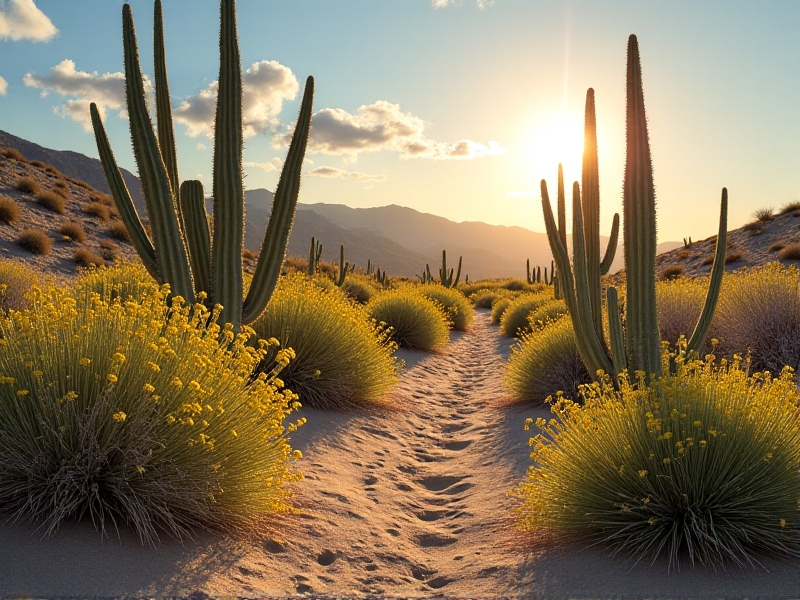
Native plant guilds are ecological partnerships where mutually beneficial species thrive together, creating resilient ecosystems. In drought-prone regions, these guilds leverage deep-rooted plants, groundcovers, and nitrogen-fixers to conserve water, improve soil health, and sustain biodiversity. Unlike monocultures, guilds mimic natural habitats, reducing the need for irrigation while supporting pollinators and wildlife. By focusing on plants adapted to local climates, these communities withstand dry spells through symbiotic relationships—such as taller plants shading moisture-sensitive allies or taproots accessing deeper groundwater.
The Science Behind Drought-Resistant Guilds
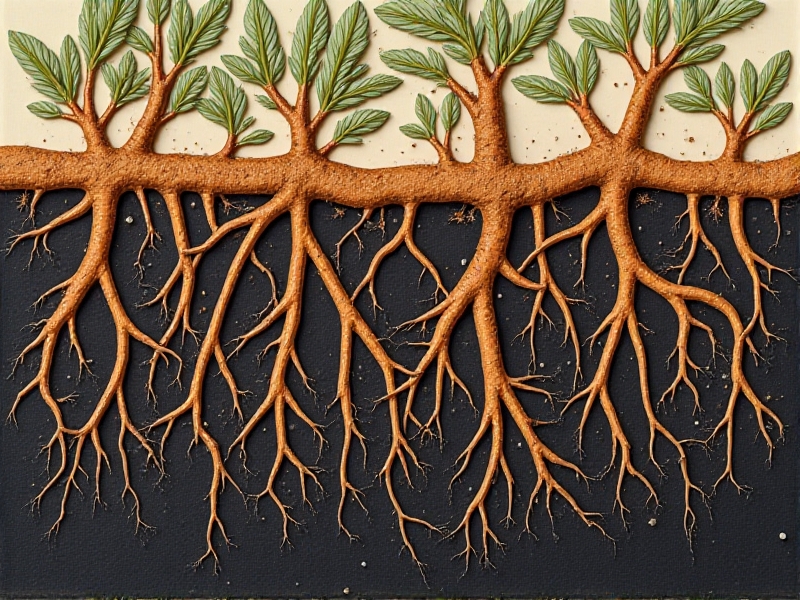
Drought-resistant guilds rely on phytological adaptations like succulent leaves, hairy stems, and waxy coatings to minimize water loss. Deep-rooted species, such as mesquite or buckwheat, act as "water pumps," drawing moisture from subsurface layers to share with shallow-rooted companions via mycorrhizal networks. Soil structure plays a critical role: leguminous plants add nitrogen, while mulch-producing groundcovers like sedge reduce evaporation. Research shows guilds can lower soil temperatures by 10–15°F, further preserving moisture. This synergy transforms arid zones into self-sustaining ecosystems, reducing reliance on external resources.
Selecting the Right Native Species for Your Guild
Choosing species starts with analyzing local conditions—soil type, sun exposure, and precipitation patterns. In California, manzanita and sagebrush form drought-hardy cores, while purple coneflower and little bluestem anchor Midwestern guilds. Include dynamic accumulators like comfrey to mine nutrients, and aromatic herbs like lavender to repel pests. Prioritize regional endemics; for example, Texas bluebonnet thrives in alkaline soils, whereas Southwest agave excels in rocky substrates. Diversify bloom times to support pollinators year-round, ensuring ecological stability even during droughts.

Building a Drought-Resistant Guild Step by Step
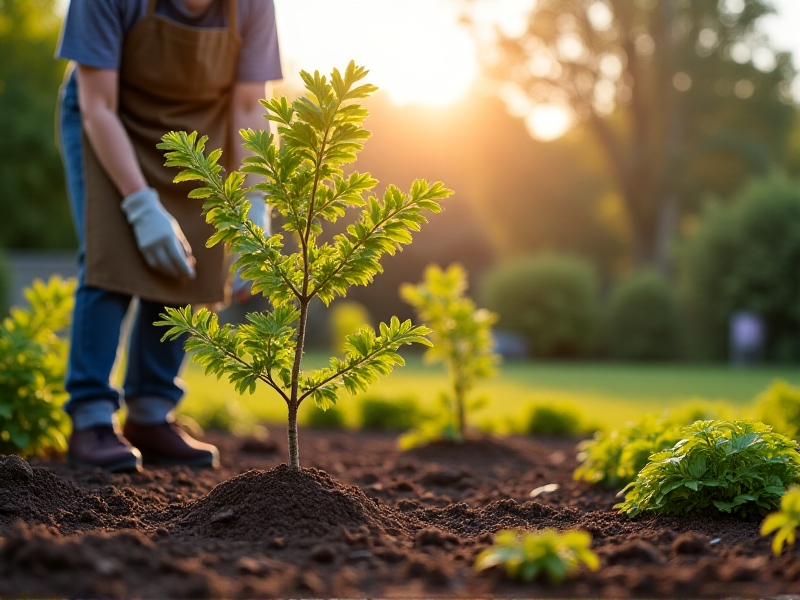
Start by preparing the site—remove invasive species and till minimally to preserve soil structure. Plant a central "nurse" tree, like desert willow, to anchor the guild. Surround it with shrubs (ceanothus) and perennials (black-eyed Susan), spacing plants to allow airflow while maximizing shade overlap. Add low-growing succulents (stonecrop) as living mulch. Incorporate compost to kickstart microbial activity, and install drip irrigation temporarily until roots establish. Monitor for pests, relying on predatory insects attracted by companion plants like yarrow or dill.
Design Principles for Maximum Water Efficiency
Efficient guilds use layering—canopy, understory, herbaceous, and groundcover—to create microclimates. Position drought-tolerant species on guild edges, where sunlight is harshest, and moisture-loving plants near shaded centers. Swales or berms can redirect rainwater, while rock piles radiate nighttime moisture. Group plants with similar water needs, and use graywater systems for supplemental hydration. Avoid overcrowding; sparse planting encourages deeper root growth. Over time, the guild becomes a closed-loop system, where leaf litter and decomposing biomass recycle nutrients and retain moisture.
Case Studies: Successful Drought-Resistant Guilds
In Arizona’s Sonoran Desert, a guild of palo verde, prickly pear, and globemallow reduced irrigation needs by 80% while increasing bird diversity. Similarly, a Colorado front-range project combined ponderosa pine, rabbitbrush, and blue flax to stabilize erosion-prone slopes without watering. Urban examples include Los Angeles’s Griffith Park, where coast live oak guilds survived a historic drought by supporting mycorrhizal networks. These successes highlight adaptability—guilds thrive in both wild and developed landscapes when species align with regional stressors like heat, wind, or poor soil.
Long-Term Benefits and Climate Adaptability
Beyond drought resistance, native guilds sequester carbon, rebuild topsoil, and buffer against temperature extremes. They require fewer pesticides and fertilizers, lowering maintenance costs. As climate patterns shift, these guilds serve as genetic reservoirs for resilient traits, offering insights for agricultural adaptation. Communities adopting guilds report increased groundwater recharge and wildfire resistance—a testament to nature-inspired design. By prioritizing native biodiversity, we cultivate landscapes that endure, evolve, and regenerate in the face of uncertainty.