Mycorrhizal Inoculation Methods
Understanding Mycorrhizal Symbiosis
Mycorrhizae are symbiotic relationships between plant roots and specialized soil fungi. These partnerships date back over 450 million years, playing a critical role in terrestrial ecosystems. The fungi form intricate networks that extend beyond the plant’s root system, acting as a secondary absorption layer. In exchange for sugars from photosynthesis, mycorrhizae enhance water and nutrient uptake, particularly phosphorus and nitrogen. Two primary categories exist: ectomycorrhizae, which envelop roots externally, and endomycorrhizae, which penetrate root cells. Understanding this symbiosis is foundational to appreciating inoculation’s value in agriculture and horticulture.

Types of Mycorrhizae: Choosing the Right Partner
Ectomycorrhizae associate primarily with woody plants like pines and oaks, forming dense fungal sheaths around roots. Their hyphae explore soil without invading root cells, making them ideal for forestry applications. Endomycorrhizae, or arbuscular mycorrhizae, penetrate root cell walls, creating branched structures called arbuscles. They partner with 80% of terrestrial plants, including crops like corn and tomatoes. Lesser-known types include ericoid and orchid mycorrhizae, specialized for acidic soils and orchid germination, respectively. Selecting the correct fungal strain ensures compatibility and maximizes inoculation success.
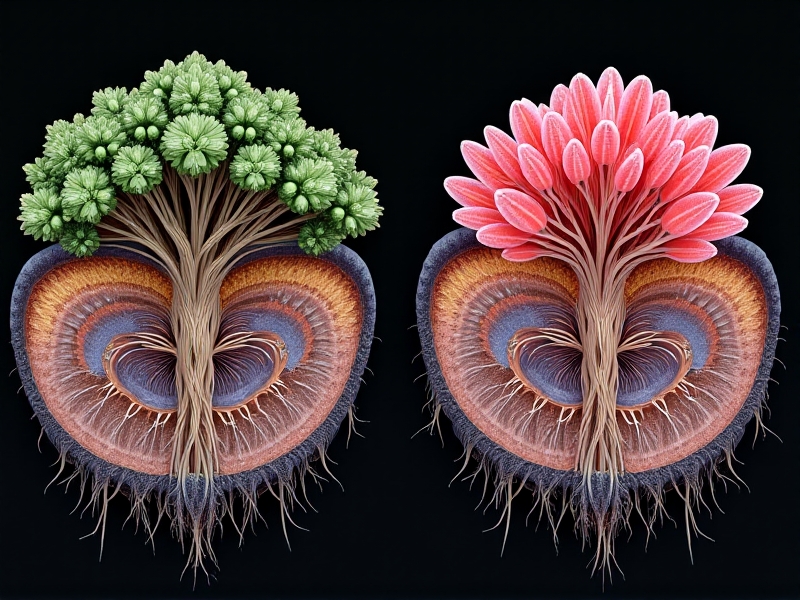
Seed Coating: Frontloading Fungal Partnerships
Coating seeds with mycorrhizal spores or propagules establishes early symbiosis. A clay-based or biodegradable polymer binder adheres spores to seeds, ensuring direct root contact during germination. This method suits large-scale farming due to compatibility with mechanical seeders. Studies show coated seeds exhibit 20-30% faster establishment in nutrient-poor soils. However, spore viability diminishes if stored improperly. Innovations like encapsulation in nutrient-rich gels protect spores and boost germination rates.
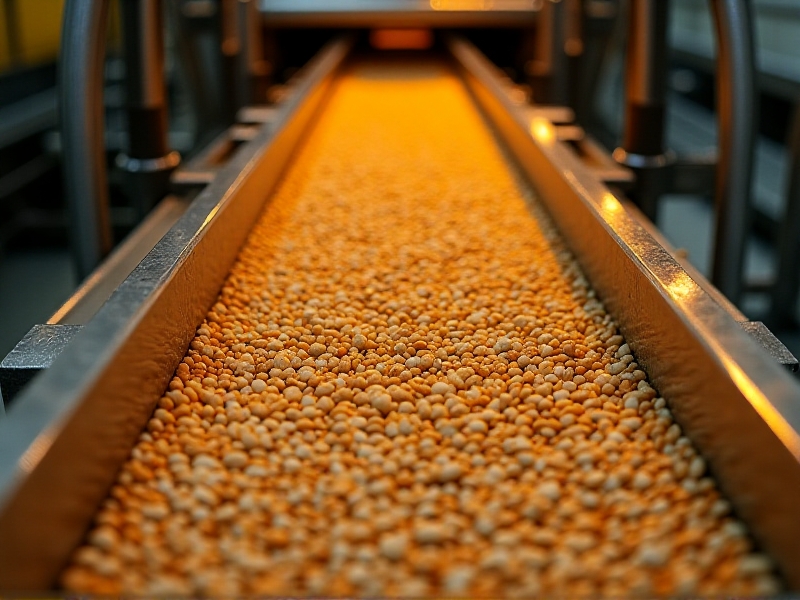
Soil Inoculation: Direct Delivery to the Root Zone
Soil inoculation introduces fungi via granules, powders, or liquid suspensions applied during planting. Granular formulations, often mixed with organic carriers like peat, release spores gradually as they decompose. Liquid inoculants, containing mycelial fragments, require precise dilution to avoid over-saturation. A 2023 study demonstrated that deep placement (10-15 cm) outperforms surface spreading in arid regions. Farmers often combine inoculation with compost to create a microbiome-friendly environment, doubling colonization rates compared to synthetic fertilizer use.

Plug Transplant Inoculation: Boosting Nursery Success
Nurseries inoculate seedling plugs by mixing inoculants into growth medium or dipping roots before transplanting. This method ensures robust colonization before plants face field stresses. A trial with tomato plugs showed 40% higher survival rates in drought conditions compared to uninoculated controls. Hydroponic nurseries use mycorrhizal gels to coat root plugs, bridging the transition to soil. Recent advancements include pre-colonized plugs sold commercially, though cold storage can reduce fungal viability over time.
Hydroponic and Aquaponic Integration Challenges
Soilless systems lack natural fungal networks, making inoculation tricky but not impossible. Researchers achieved 65% colonization in NFT hydroponics by adding water-soluble inoculants to nutrient reservoirs. Key hurdles include maintaining oxygen levels for fungal survival and preventing competition from algae. Aquaponic systems face additional complexity—fish waste’s high nitrogen can inhibit spore germination. Success stories include vertical farms using inoculated clay balls in DFT (Deep Flow Technique), reporting 18% yield increases for leafy greens.
Benefits Beyond Nutrient Uptake: Resilience and Carbon
Inoculated plants demonstrate drought tolerance via extended hyphal networks accessing deep water reserves. They also resist pathogens; mycorrhizae trigger systemic acquired resistance (SAR) in plants, reducing pesticide needs. Emerging research highlights their carbon sequestration potential—fungal biomass stores 5-10% of atmospheric carbon in stable soil aggregates. A vineyard study found inoculated plots sequestered 2.3 tons more CO2 per hectare annually than controls.
Navigating Challenges in Mycorrhizal Applications
Soil pH extremes (>8.5 or <5.0) hinder colonization, requiring amendments like lime or sulfur. Over-tillage disrupts hyphal networks—no-till farms report 50% higher colonization. Chemical fertilizers, especially high-phosphate blends, suppress fungal activity. A 2024 meta-analysis found organic farms averaged 80% colonization versus 35% in conventional systems. Cost remains a barrier in developing regions, though on-farm production of inoculants using vermicompost shows promise for affordability.
Innovations Shaping the Future of Inoculation
CRISPR-edited fungal strains with enhanced drought tolerance are undergoing field trials. Nano-encapsulation techniques using chitosan coatings increase spore shelf life from 6 to 18 months. Drone-based inoculation, dispersing granular formulations across reforestation sites, achieved 90% coverage in mountainous terrain. Researchers also explore fungal consortia—tailored mixes of mycorrhizae and nitrogen-fixing bacteria—that boosted soybean yields by 37% in preliminary tests.