Leaf Mold Harvesting Techniques
Understanding Leaf Mold and Its Ecological Benefits
Leaf mold, the soft, crumbly byproduct of decomposed leaves, is often called "gardener's gold" for its ability to enrich soil. Unlike traditional compost, leaf mold forms through fungal decomposition rather than bacterial activity, resulting in a moisture-retentive material ideal for improving soil structure. Its creation is a slow, cold process, often taking 6–18 months. Ecologically, leaf mold reduces landfill waste by repurposing fallen leaves and supports microbial life in gardens. By mimicking natural forest floor cycles, it fosters sustainable gardening practices while reducing reliance on synthetic fertilizers.

Choosing the Right Leaves for Optimal Decomposition
Not all leaves decompose at the same rate. Maple, oak, and birch leaves break down relatively quickly due to their lower lignin content, while thicker leaves like sycamore or walnut may take longer. Avoid using diseased leaves or those from black walnut trees, which contain juglone—a compound toxic to many plants. Shredding leaves with a lawnmower or shredder accelerates decomposition by increasing surface area. Mixing different leaf types creates a balanced carbon-to-nitrogen ratio, fostering efficient microbial activity. For best results, aim for a diverse blend of species.
Passive vs. Active Leaf Mold Harvesting Methods
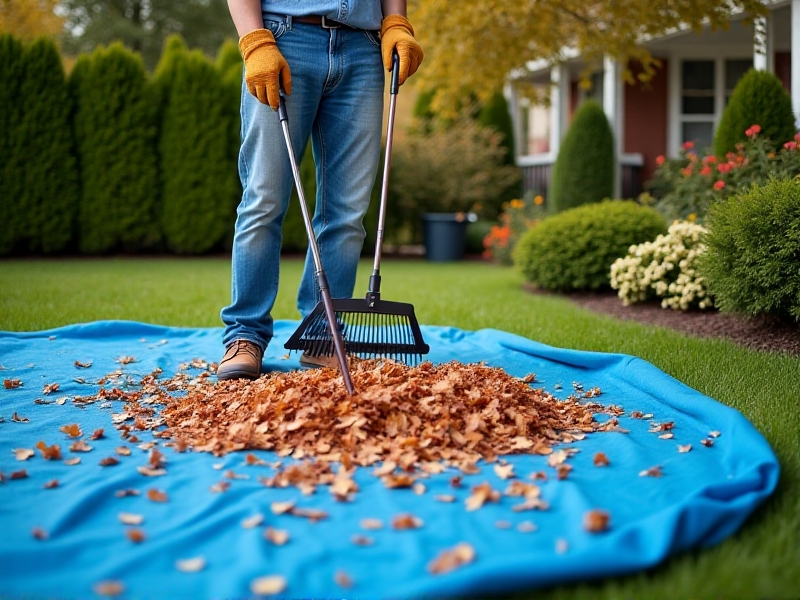
Passive harvesting involves simply piling leaves in a wire or wooden bin and letting nature take its course. This low-effort method suits those with patience. Active methods, like layering leaves with nitrogen-rich grass clippings or periodically turning the pile, speed up decomposition. Enclosing leaves in perforated plastic bags creates a portable system, ideal for small spaces. While active techniques yield leaf mold in 6–12 months, passive piles may require up to two years. Choose a method based on your timeline and available labor.
Monitoring Moisture and Aeration for Healthy Decomposition
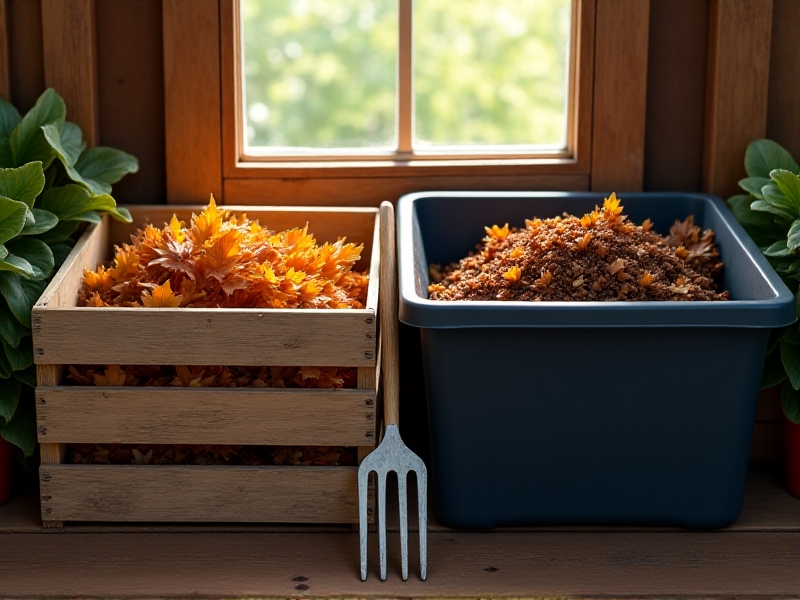
Leaf mold requires consistent moisture—damp but not soggy. During dry spells, water the pile lightly. Covering it with burlap or breathable fabric retains humidity while preventing waterlogging. Aeration is equally critical: turn the pile monthly with a pitchfork to introduce oxygen and prevent anaerobic odors. If the pile emits a sour smell, it’s too wet; add dry leaves or straw. A well-maintained pile should have an earthy aroma and maintain a temperature close to ambient air.
Troubleshooting Common Leaf Mold Issues
Sluggish decomposition often stems from dryness or insufficient shredding. Revive the pile by adding water and chopping leaves finer. If mold appears white and powdery, reduce moisture and increase airflow. Soggy piles attract slugs; sprinkle diatomaceous earth around the base to deter them. For pest-resistant bins, use mesh screens or elevate the pile slightly. Remember: Leaf mold should never smell foul—if it does, reassess moisture and aeration.
Incorporating Leaf Mold into Garden Soil
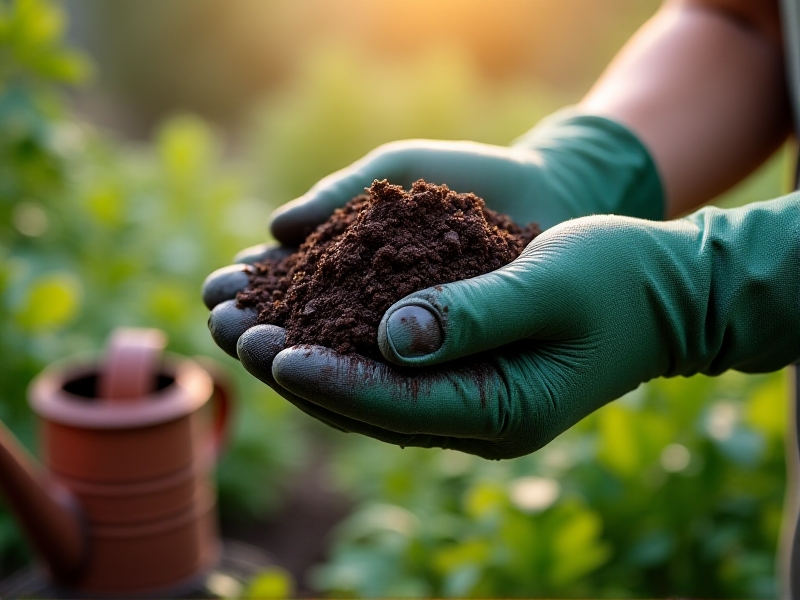
Once decomposed, leaf mold can be mixed into planting beds as a soil amendment or used as mulch. For vegetable gardens, blend 1–2 inches into the topsoil to boost water retention. As mulch, apply a 3-inch layer around perennials to suppress weeds and regulate soil temperature. Container gardeners can mix leaf mold with potting soil (up to 30%) to enhance structure. Its mild pH makes it suitable for most plants, though avoid using it alone in seed-starting mixes due to low nutrient content.
Sustainable Practices for Large-Scale Leaf Mold Production
Municipalities and community gardens can scale leaf mold production by collaborating with local tree services for bulk leaf donations. Use industrial shredders and windrow composting techniques, where long rows of leaves are periodically turned with machinery. Dedicate shaded areas to prevent overdrying. Partner with schools or eco-groups for collection drives, turning public parks’ leaf litter into a resource. Such initiatives reduce municipal waste costs and provide free soil amendments for urban farms.