Keyhole Garden Bed Construction Guide
What Is a Keyhole Garden Bed?
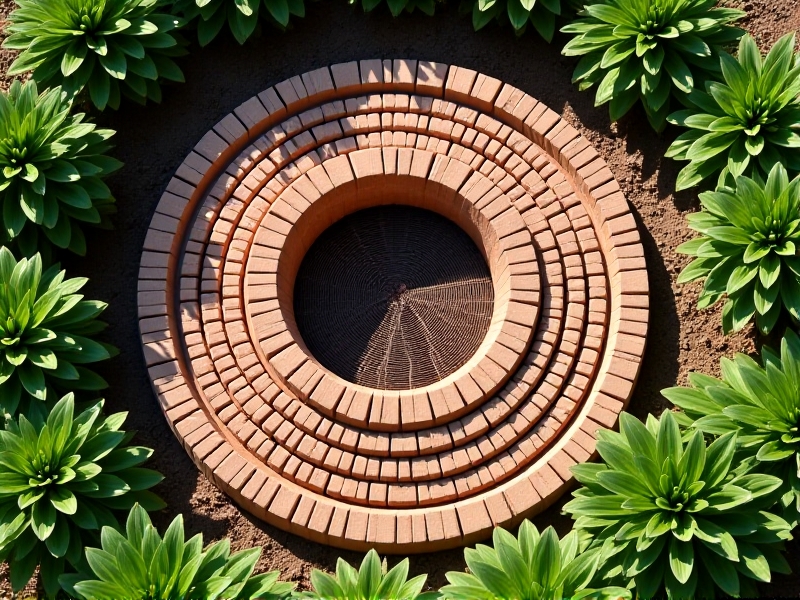
A keyhole garden bed is a circular raised garden with a compost basket at its center, designed for water efficiency and nutrient-rich soil. Originating in Africa to support arid-region farming, its unique shape—resembling a keyhole when viewed from above—allows easy access to plants while integrating composting directly into the design. The central basket feeds nutrients into the surrounding soil, reducing waste and minimizing the need for external fertilizers. Perfect for small spaces, this method is ideal for growing vegetables, herbs, or flowers sustainably.
Materials Needed for Building a Keyhole Garden
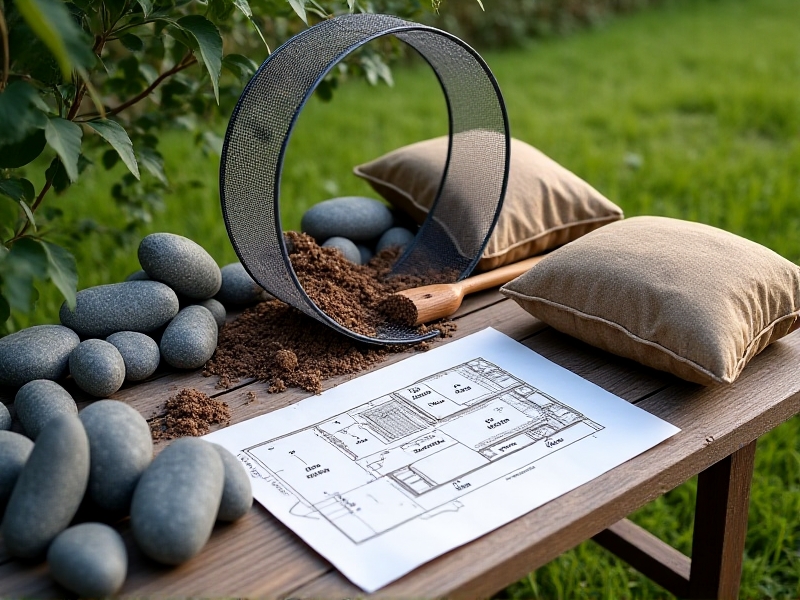
To construct a keyhole garden, gather materials like stones or bricks for the walls, wire mesh for the compost basket, cardboard or newspaper for weed suppression, and a mix of soil, compost, and mulch. Recycled materials, such as broken concrete or old tin cans, can reinforce the structure. You’ll also need basic tools: a shovel, gloves, and a level. Opt for untreated wood or non-toxic stone to avoid chemicals leaching into the soil. Pro tip: Use locally sourced materials to reduce costs and environmental impact.
Step-by-Step Construction Process
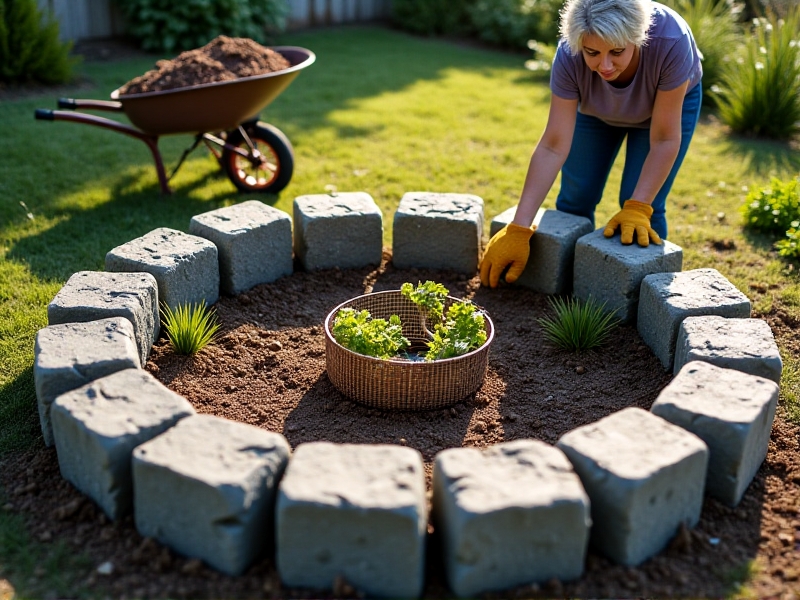
Start by marking a 6-foot diameter circle with a 2-foot-wide notch. Build the outer walls using stones or bricks, reaching waist height for comfort. Insert a wire mesh cylinder in the center—this becomes your compost basket. Layer the base with cardboard to block weeds, followed by coarse branches for drainage. Add alternating layers of soil, compost, and straw, ensuring the slope directs water toward the center. Finish by filling the compost basket with kitchen scraps. This layered approach creates a self-fertilizing system that retains moisture and nurtures plants.
Planting and Maintaining Your Keyhole Garden
Prioritize drought-resistant plants like kale or herbs near the compost basket, where moisture concentrates. Leafy greens and root vegetables thrive in the middle layers. Water the compost basket directly to distribute nutrients. Refresh the basket weekly with vegetable peels or grass clippings, and avoid meat or dairy to prevent pests. Mulch the soil surface to retain moisture. In dry climates, cover the bed with shade cloth during peak heat. Rotate crops annually to maintain soil health and prevent nutrient depletion.
Benefits of a Keyhole Garden Bed
Keyhole gardens use up to 70% less water than traditional beds, thanks to their targeted watering system. They’re accessible for those with mobility issues due to their raised design and eliminate the need for tilling. By recycling kitchen waste into compost, they reduce landfill contributions and create closed-loop sustainability. Their compact size makes them ideal for urban balconies or rooftops. Plus, the constant nutrient flow from the compost basket results in higher yields—perfect for growing organic produce year-round.
Troubleshooting Common Challenges
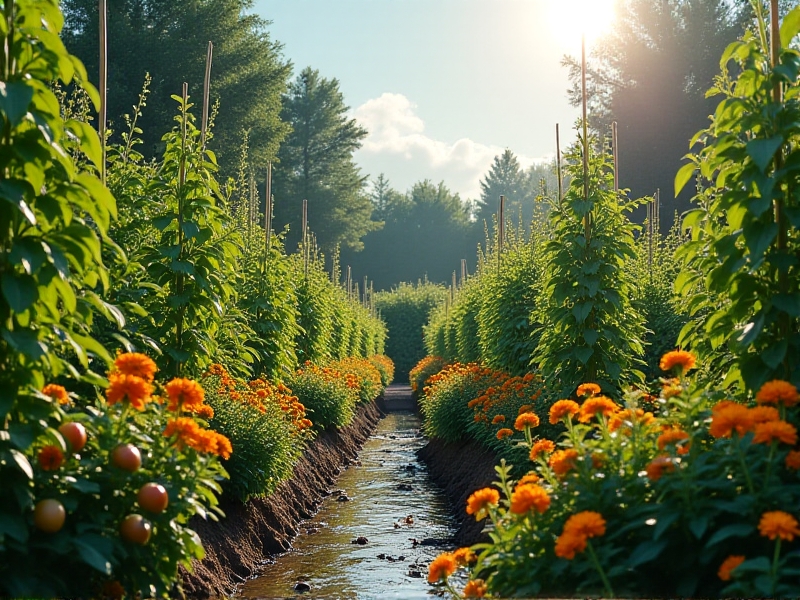
If the compost basket smells, add more dry materials like straw or leaves to balance moisture. For pests, surround the bed with marigolds or garlic. Poor drainage? Incorporate sand into the soil mix. If plants wilt despite watering, check for compacted layers—gently aerate the soil with a fork. In colder climates, insulate the compost basket with straw to keep microbial activity active. Regularly turn the compost to prevent clumping and ensure even nutrient distribution.