Humanure Composting Safeguards
Understanding Humanure Composting: A Sustainable Waste Solution

Humanure composting transforms human waste into nutrient-rich soil through controlled decomposition. Unlike traditional sewage systems, this method prioritizes environmental sustainability by closing the nutrient loop. By treating human excreta as a resource rather than waste, it reduces pollution, conserves water, and enriches soil health. The process requires meticulous management to ensure safety and effectiveness, making safeguards critical to prevent contamination and promote public health. This section explores the fundamentals of humanure composting, its ecological benefits, and why proper protocols are non-negotiable.
Essential Safety Protocols for Effective Humanure Composting
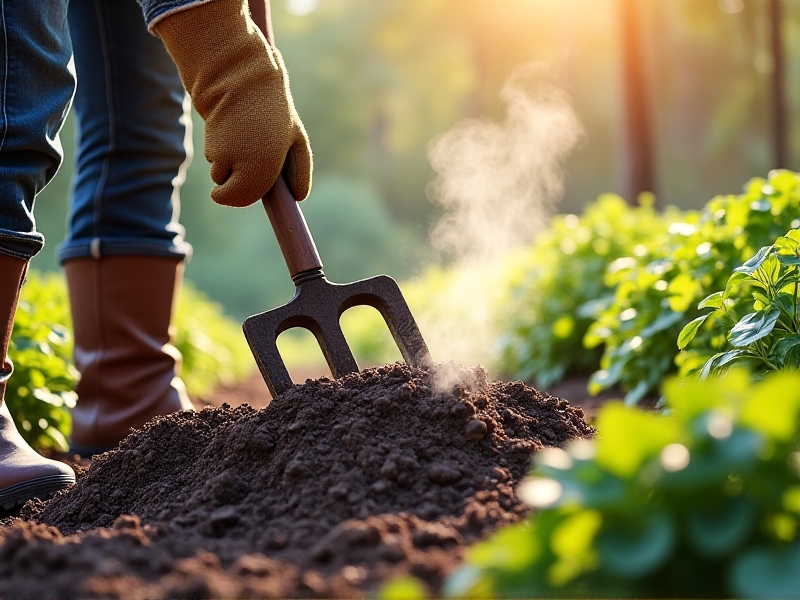
Safety in humanure composting hinges on temperature, time, and technique. Thermophilic composting, where temperatures reach 55–65°C (131–149°F), is vital to kill pathogens. Maintaining this heat for several days ensures harmful organisms like E. coli and parasites are neutralized. Proper aeration and moisture control prevent anaerobic conditions that slow decomposition and produce foul odors. Compost should cure for at least 12 months before use to guarantee safety. Protective gear, such as gloves and masks, minimizes direct contact with raw material. This section outlines step-by-step protocols to mitigate risks, from bin construction to final compost application.
Health Benefits: How Proper Composting Protects Communities
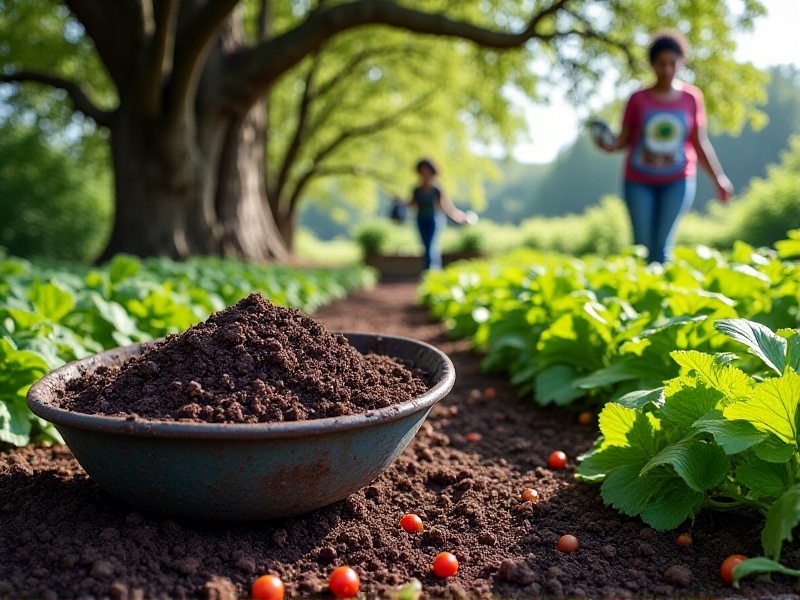
When executed correctly, humanure composting eliminates health hazards associated with untreated waste. Pathogen destruction through high temperatures prevents waterborne diseases like cholera and dysentery. The resulting compost improves soil structure, increasing its ability to retain water and nutrients, which boosts crop yields without synthetic fertilizers. Healthier soils also sequester carbon, combating climate change. Communities adopting this practice report reduced incidence of waste-related illnesses and improved food security. This section delves into the science behind pathogen die-off and the long-term public health advantages of integrating humanure into agricultural cycles.
Environmental Impact: Reducing Pollution and Restoring Ecosystems

Conventional sewage systems often pollute waterways with untreated effluent, harming aquatic life and spreading disease. Humanure composting offers a closed-loop alternative that prevents nutrient runoff and methane emissions from landfills. By returning organic matter to the soil, it rejuvenates degraded land and reduces reliance on chemical fertilizers, which contribute to algal blooms and dead zones. This section examines composting’s role in mitigating environmental degradation, supporting biodiversity, and fostering resilient ecosystems. Case studies from regenerative farms and off-grid communities illustrate its potential for large-scale ecological restoration.
Overcoming Challenges: Troubleshooting Common Composting Issues
Common challenges include odor control, pest invasions, and maintaining optimal moisture levels. Odors often stem from anaerobic conditions, remedied by turning the pile and adding carbon-rich materials like straw or sawdust. Rodents and insects are deterred by secure bin designs and burying fresh waste under carbon layers. Overly wet compost risks becoming sludgy, while dry piles stall decomposition—both fixed by balancing green and brown materials. This section provides actionable solutions to these issues, empowering readers to troubleshoot confidently and maintain a safe, efficient system.
Educating Communities: Building Awareness and Trust
Adoption of humanure composting requires dismantling cultural taboos and misinformation. Workshops, hands-on demonstrations, and success stories from early adopters help normalize the practice. Transparent communication about safety measures—such as lab testing for pathogens—builds trust. Schools and urban gardens serve as ideal platforms for pilot projects, showcasing tangible benefits. This section discusses strategies for community engagement, from social media campaigns to collaboration with local health departments, ensuring composting becomes a socially accepted and widely practiced solution.
The Future of Humanure: Innovations and Global Adoption
Advancements in composting technology, such as urine-diverting toilets and biochar integration, are making systems more efficient and accessible. Governments in water-scarce regions are incentivizing composting toilets to reduce sewage infrastructure costs. Meanwhile, NGOs promote humanure as a tool for achieving UN Sustainable Development Goals. This section explores emerging trends, policy shifts, and grassroots movements driving global adoption. By scaling proven models and investing in education, humanure composting could revolutionize waste management and food production worldwide.