Hugelkultur Water Retention Tests
Understanding Hugelkultur and Its Water Retention Principles
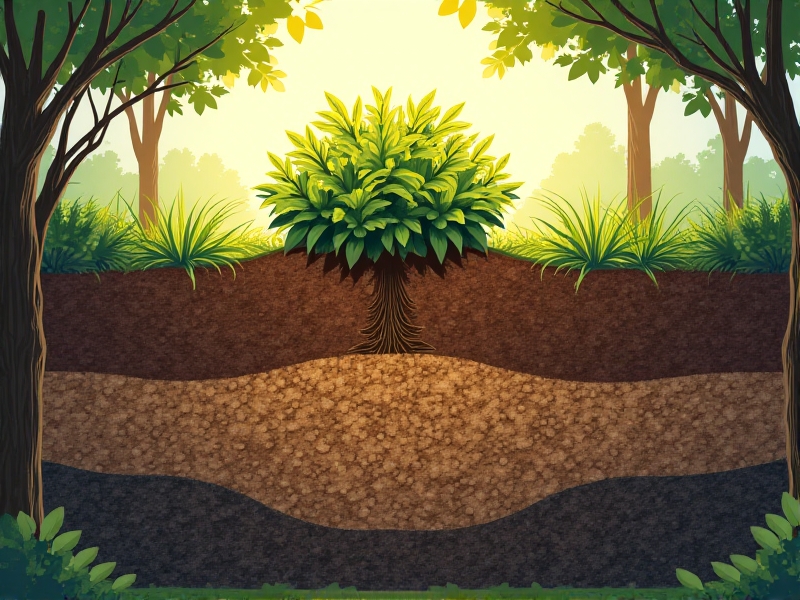
Hugelkultur, a German term meaning "hill culture," is a permaculture practice that involves building raised garden beds using decaying wood, organic matter, and compost. This method mimics natural forest-floor decomposition, creating a nutrient-rich, moisture-retentive environment. The layered structure of logs, branches, leaves, and soil acts like a sponge, absorbing rainfall and slowly releasing it to plants. By testing water retention in hugelkultur systems, gardeners can optimize their designs for drought-prone regions and reduce reliance on irrigation.
Designing a Hugelkultur Water Retention Experiment
To test water retention, start by constructing multiple hugelkultur beds with varying materials—e.g., different wood types or layer thicknesses. Use control beds (traditional soil or raised beds) for comparison. Equip each bed with soil moisture sensors and track data over weeks, simulating drought by withholding water. Measure variables like evaporation rates, plant health, and how long beds retain moisture after rainfall. Documenting these factors reveals which designs maximize water efficiency.
Comparing Hugelkultur to Conventional Gardening Methods
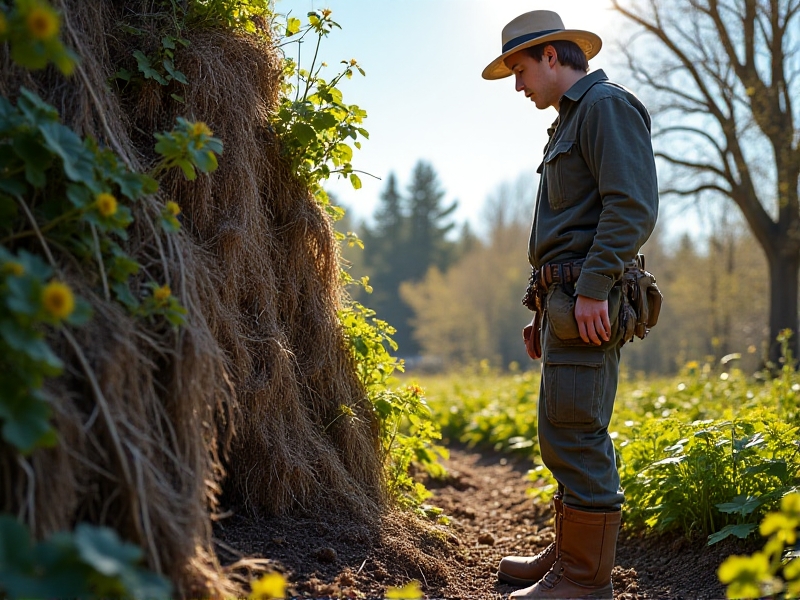
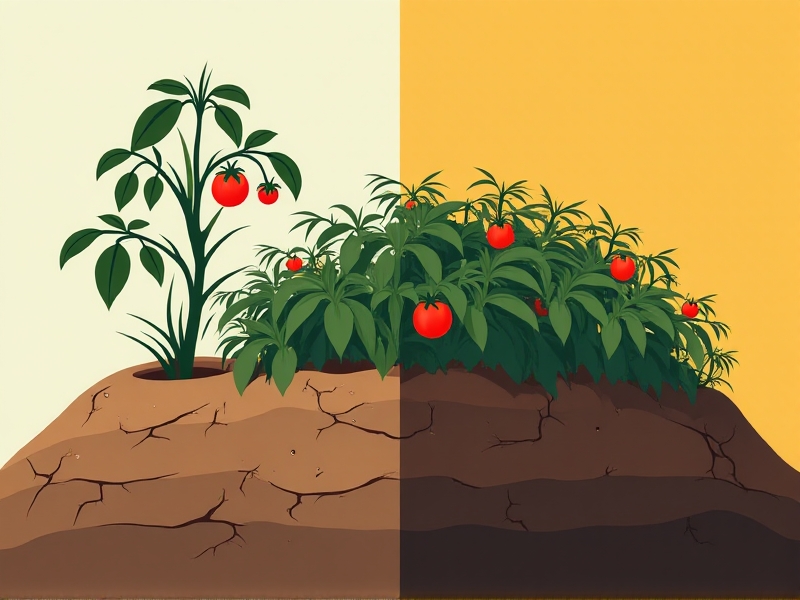
Studies show hugelkultur beds retain 20-30% more water than traditional gardens. Unlike flat beds, the mound shape reduces runoff, while decomposing wood increases organic matter, enhancing soil structure. In contrast, conventional beds often require frequent watering, especially in sandy or clay-heavy soils. Side-by-side trials during dry spells highlight hugelkultur’s resilience, with plants showing less wilting and higher yields despite water scarcity.
Case Study: Drought-Resilient Crops in Hugelkultur Systems
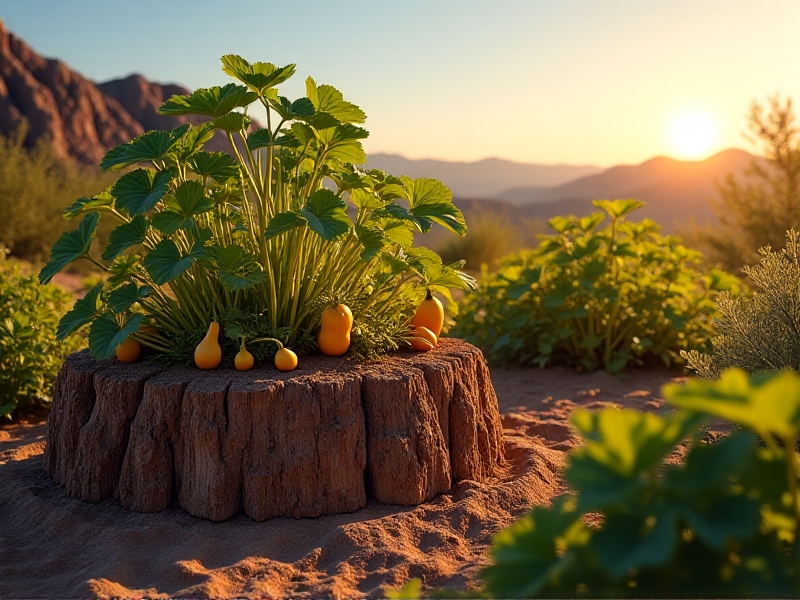
In a 2022 Arizona trial, hugelkultur beds growing squash and beans required 50% less watering than control plots. The beds’ moisture buffer allowed crops to survive 14-day dry spells. Farmers noted deeper root systems and fewer pest issues, likely due to stable soil conditions. This aligns with European practices where hugelkultur supports vineyards in arid climates, proving its adaptability across ecosystems.
The Role of Wood Decomposition in Moisture Regulation
As wood decays, it creates pockets for water storage and fosters fungal networks that improve soil hydration. Hardwoods like oak decompose slowly, offering long-term moisture retention, while softer woods like birch break down faster, releasing nutrients. Balancing wood types ensures sustained water availability. Microbial activity within the bed also generates heat, reducing frost risk and extending growing seasons in cooler climates.
Practical Tips for Optimizing Water Retention in Your Hugelkultur Bed
Use logs at least 10 cm thick for a solid moisture base. Add high-carbon materials (straw, cardboard) to slow decomposition and nitrogen-rich compost to balance nutrients. Shape mounds to slope gently, preventing erosion. Mulch heavily with straw or leaves to reduce evaporation. In dry climates, dig a shallow trench around the bed to funnel rainwater into the core.
Long-Term Environmental Benefits of Hugelkultur Practices
Beyond water savings, hugelkultur sequesters carbon, reduces landfill waste (by using yard debris), and restores degraded soils. Over years, these beds become self-sustaining ecosystems, supporting pollinators and reducing the need for fertilizers. Communities in drought-prone regions, from Texas to Kenya, have adopted hugelkultur to combat desertification and enhance food security.
Adapting Hugelkultur for Urban and Small-Scale Gardens
Even in cities, hugelkultur can thrive. Use pruned branches from street trees or coffee grounds as filler. Opt for narrow, vertical mounds to fit patios or rooftop spaces. Container-based mini hugelkultur systems with wood chips and compost work for balcony gardens. These adaptations democratize water-wise gardening, making it accessible regardless of land availability.