Greywater Irrigation Legal Compliance
Understanding Greywater Basics and Legal Importance
Greywater, the gently used water from sinks, showers, and laundry, offers a sustainable alternative for irrigation. Unlike blackwater, which contains sewage, greywater is relatively low in contaminants, making it suitable for reuse in landscapes. However, its use isn’t as simple as redirecting a drain. Legal frameworks exist to ensure public health and environmental safety, balancing conservation goals with risk mitigation. These regulations vary widely by region, but they often address water quality standards, system design requirements, and permissible applications.

Navigating Regional Greywater Regulations
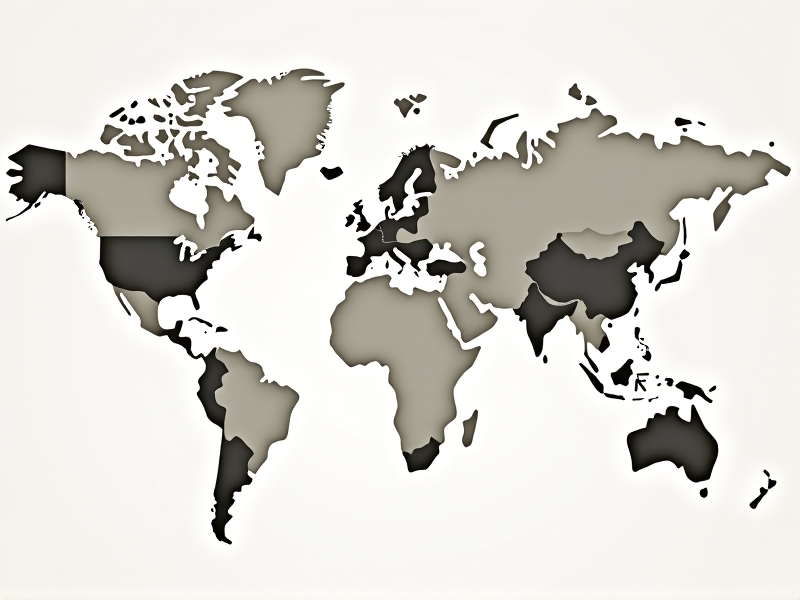
Laws governing greywater reuse differ globally, reflecting local environmental and public health priorities. In the U.S., states like California and Arizona have progressive policies, allowing simple laundry-to-landscape systems without permits. Conversely, stricter states require engineered designs and professional oversight. Internationally, Australia’s guidelines emphasize filtration standards, while parts of Europe mandate permits for any greywater use. Navigating this patchwork demands research: start with municipal building codes, consult environmental agencies, and engage licensed professionals to avoid penalties.
Health and Safety Standards for Greywater Systems
Preventing contamination is central to greywater compliance. Most jurisdictions prohibit untreated greywater from contacting edible crops or potable water sources. The EPA recommends using biodegradable soaps to minimize chemical buildup, while some states require subsurface irrigation to reduce human exposure. Systems must also include failsafes, like shutoff valves, to prevent backflow. Regular testing for pH levels and pathogens may be mandated in high-risk areas, ensuring long-term safety for both ecosystems and households.

Designing Legally Compliant Greywater Systems
Compliance begins with system design. Basic systems, like laundry-to-landscape setups, are often permit-exempt if they follow flow limits. Complex systems may require dual-piping, filtration units, and approved materials like NSF-certified components. For example, Arizona mandates airtight lids on greywater tanks to deter pests, while New Mexico requires soil percolation tests. Engaging a certified installer ensures designs meet local codes, whether for residential gardens or large-scale agricultural reuse.

Maintenance and Documentation for Ongoing Compliance
Legal compliance doesn’t end at installation. Many regions require annual inspections to check for leaks, filter efficiency, and soil health. Homeowners might need to log maintenance activities, such as cleaning filters or replacing pipes, to demonstrate due diligence. In drought-prone areas, usage caps may apply during water restrictions. Proactive maintenance prevents violations and extends system lifespan, turning legal obligations into long-term sustainability wins.
Case Studies: Successful Legal Greywater Projects
In Tucson, Arizona, a 2020 city initiative provided rebates for compliant greywater systems, resulting in a 40% reduction in residential potable water use. Similarly, a German apartment complex near Berlin uses a permitted multi-stage system to irrigate communal green spaces, meeting strict EU wastewater directives. These examples highlight how understanding and adhering to local laws can yield ecological and financial benefits, proving that compliance and sustainability go hand in hand.