Food Forest Volunteer Maintenance Systems
The Role of Volunteers in Sustaining Food Forests
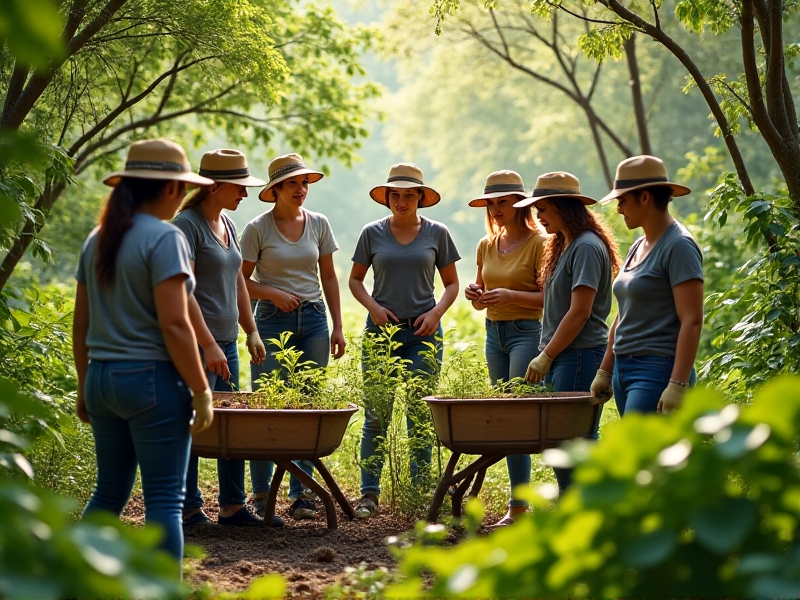
Food forests, designed to mimic natural ecosystems while yielding edible produce, rely heavily on community involvement. Volunteers form the backbone of these systems, performing tasks like planting, mulching, pruning, and pest management. Unlike traditional gardens, food forests require year-round care to maintain biodiversity and productivity. Volunteers not only contribute labor but also bring diverse skills, from permaculture expertise to community organizing. Their involvement ensures these spaces remain resilient, educational, and accessible.
Key Components of a Volunteer Maintenance System
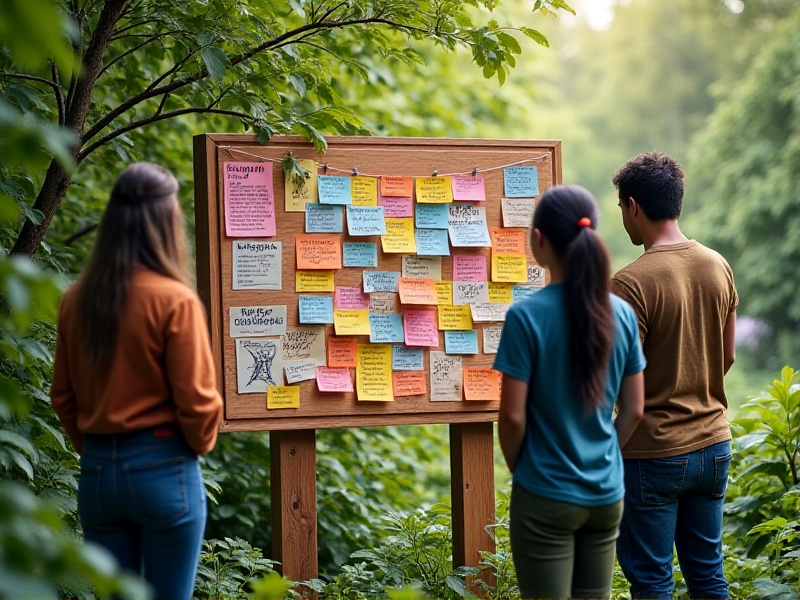
Effective volunteer systems prioritize structure and adaptability. Clear role assignments—such as team leads for composting or irrigation—prevent overlap and confusion. Regular workdays, supplemented by flexible drop-in hours, accommodate varying schedules. Digital tools like shared calendars or task-tracking apps (e.g., Trello) streamline communication. On-site signage with QR codes linked to instructional videos can guide newcomers. Pairing experienced volunteers with novices fosters mentorship, while recognizing contributions through shout-outs or skill-sharing events sustains motivation.
Recruiting and Retaining Engaged Volunteers
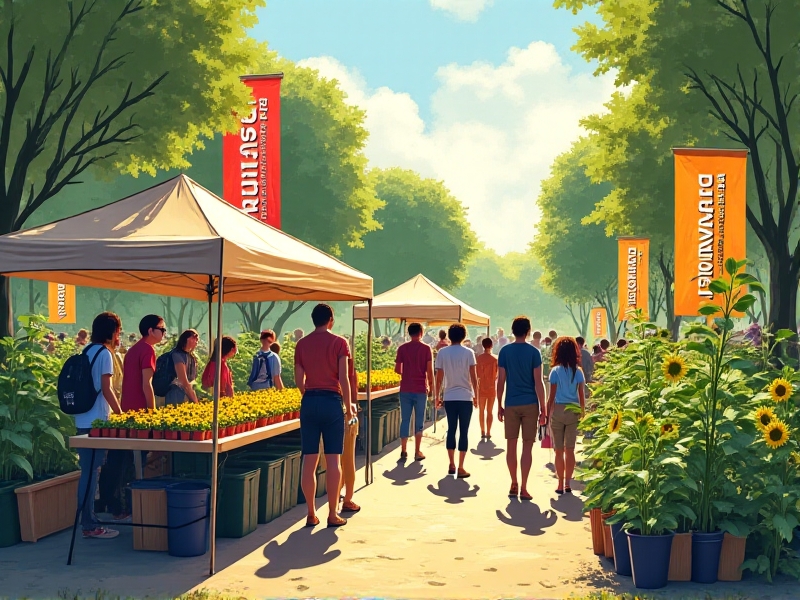
Recruitment thrives on aligning the food forest’s mission with volunteers’ values. Partnering with local schools, eco-clubs, and farmers' markets broadens outreach. Emphasizing benefits like skill development, fresh produce access, or social connections attracts diverse participants. Retention hinges on creating a welcoming culture: icebreakers at orientation, celebrating milestones, and offering leadership pathways. Seasonal festivals, like harvest potlucks or seed-saving workshops, turn labor into celebration, reinforcing community bonds.
Training and Skill-Sharing Frameworks
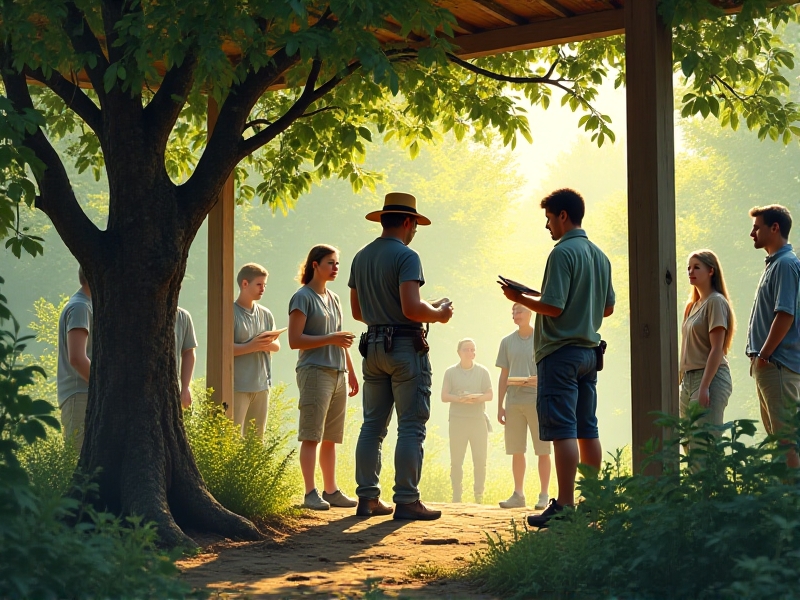
Volunteers often join with varying levels of expertise. Beginner-friendly workshops on soil health or companion planting build foundational knowledge. Skill-sharing circles—where experienced gardeners demo techniques like grafting or rainwater harvesting—encourage peer-to-peer learning. Hands-on training in tool maintenance or wildlife monitoring ensures safety and efficiency. Digital resources, such as a YouTube channel documenting seasonal tasks, extend learning beyond on-site sessions. Certifications or badges for completed modules add a gamified incentive.
Seasonal Maintenance Strategies
Food forests demand adaptive care across seasons. Spring might focus on planting nitrogen-fixing cover crops and dividing perennials. Summer requires irrigation checks and pest patrols. Autumn shifts to harvesting and preparing beds for frost, while winter involves tool repairs and planning. Monthly checklists tailored to microclimates help volunteers stay proactive. For example, in drier regions, mulching becomes a summer priority. Seasonal volunteer roles, like 'Berry Harvest Crew' or 'Compost Captains,' align tasks with seasonal enthusiasm.
Integrating Technology for Efficiency
Apps like iNaturalist help volunteers identify beneficial insects or invasive species. Mapping tools (e.g., OpenStreetMap) track plant growth and soil health over time. WhatsApp groups or Slack channels enable real-time updates—e.g., alerting teams to a sudden pest outbreak. Sensor-based irrigation systems, monitored via smartphones, reduce water waste. Digital volunteer logs quantify impact, useful for grant applications. Balancing low-tech and high-tech tools ensures accessibility while modernizing workflows.
Fostering Community Ownership and Legacy
Long-term success depends on volunteers feeling invested in the food forest’s future. Participatory design workshops let contributors suggest layouts or species additions. Naming garden sections after dedicated volunteers or hosting storytelling nights preserves oral histories. Legacy projects, like a pollinator garden funded by volunteer grants, create tangible touchpoints. As volunteers transition to mentors, they ensure knowledge transcends generations, embedding the food forest into the community’s identity.
Addressing Common Challenges
Volunteer turnover, weather disruptions, and resource shortages test even robust systems. Flexible scheduling accommodates shifting availabilities. Weather-proof tasks—like crafting seed bombs indoors during storms—keep momentum alive. Collaborating with local businesses for tool donations or snack sponsorships eases budgetary strain. Transparent communication about setbacks, paired with collaborative problem-solving, turns challenges into bonding opportunities.