Fermented Plant Juice Formulas
What Is Fermented Plant Juice?
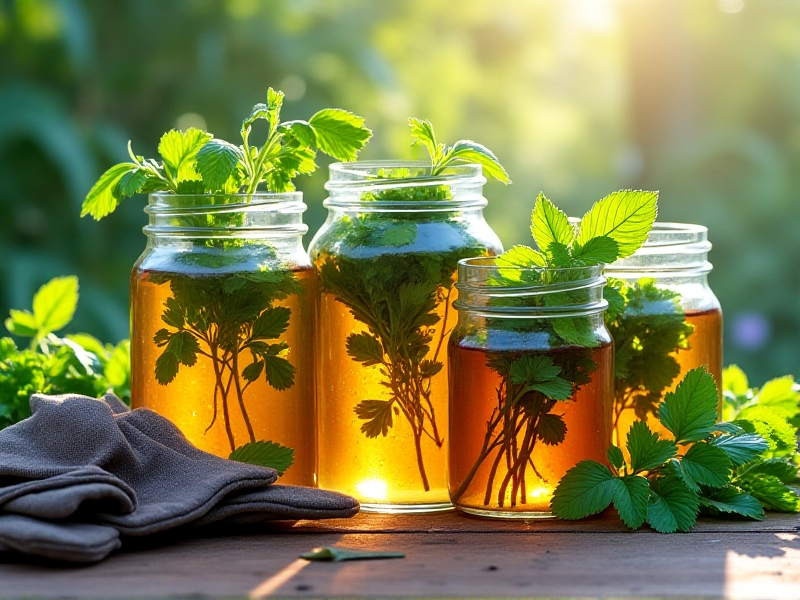
Fermented Plant Juice (FPJ) is a cornerstone of organic farming, made by fermenting fresh plant materials with brown sugar. This nutrient-rich liquid acts as a natural fertilizer, enhancing soil health and boosting plant growth. FPJ harnesses the power of beneficial microorganisms to break down plant matter, releasing vitamins, enzymes, and minerals. Ideal for leafy greens, fruiting crops, or ornamental plants, FPJ provides a sustainable alternative to synthetic fertilizers. Its versatility and simplicity have made it a favorite among gardeners and farmers committed to regenerative practices.
The Science Behind Fermentation
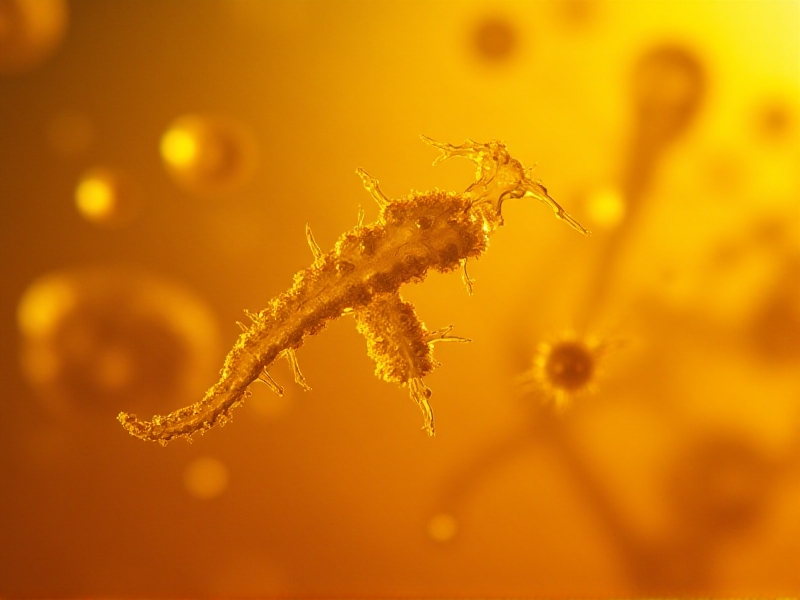
Fermentation is an anaerobic process driven by lactic acid bacteria (LAB) and wild yeasts. These microorganisms consume sugars in the plant material, converting them into organic acids, alcohols, and bioactive compounds. The absence of oxygen suppresses harmful pathogens, ensuring a stable, nutrient-dense solution. During fermentation, proteins and carbohydrates break down into amino acids and simple sugars, making nutrients more accessible to plants. This transformation also produces growth hormones like auxins and cytokinins, which stimulate root development and flowering.
Essential Ingredients and Tools
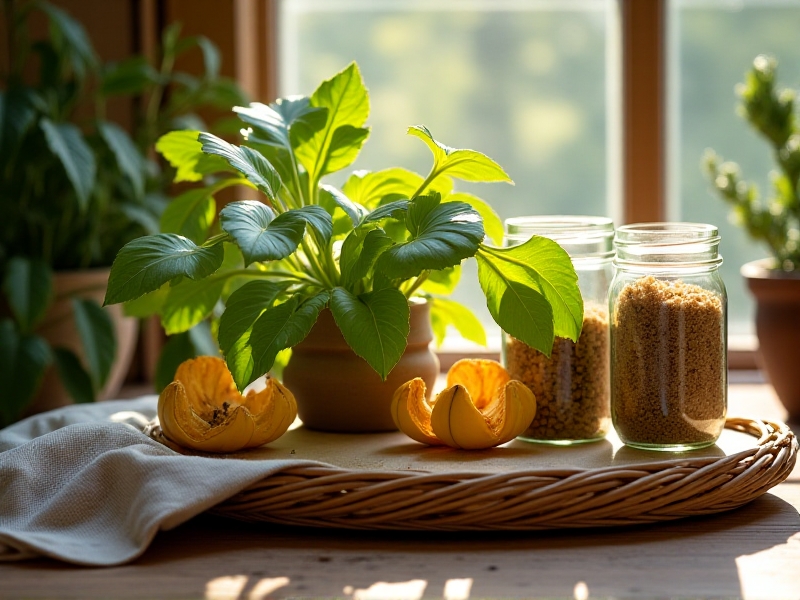
Creating FPJ requires fresh, pesticide-free plant material—leafy greens, young shoots, or fruit peels work best. Brown sugar acts as both a preservative and microbial food source. Choose glass jars or ceramic containers to avoid chemical reactions with metal. Use breathable cloth and rubber bands to cover jars, allowing gas exchange while preventing contamination. Optional additions include sea salt for mineral enrichment or rice wash water to kickstart LAB activity. Always label jars with dates and ingredients for tracking fermentation progress.
Step-by-Step Fermentation Process
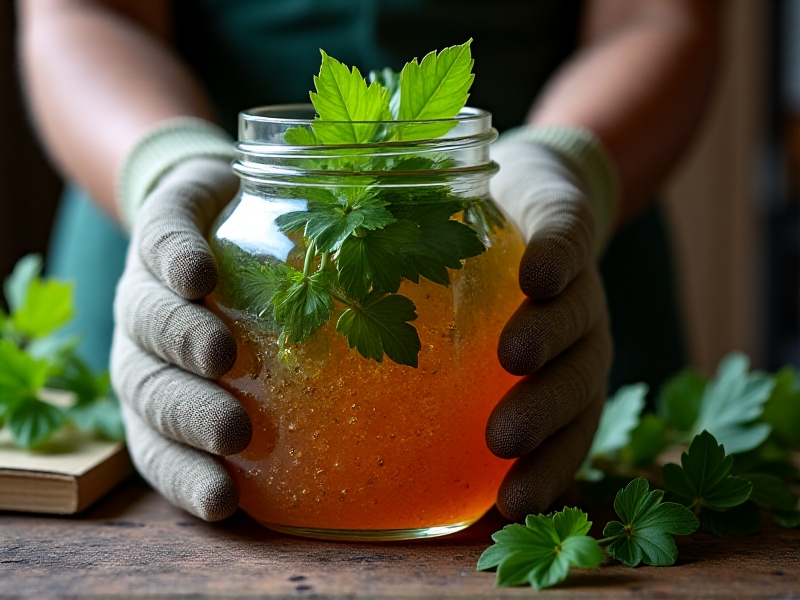
Begin by chopping plant material into small pieces to increase surface area. Layer them with brown sugar in a 1:1 ratio by weight. Press the mixture to eliminate air pockets and encourage juice extraction. Cover the jar loosely and store it in a cool, dark place for 7–10 days. Stir daily to redistribute sugars and prevent mold. Once bubbling subsides and the liquid turns amber, strain the solids. Store the FPJ in a sealed bottle in the refrigerator, where it can last up to six months.
Custom Formulas for Specific Crops
Tailor FPJ recipes to target plant needs. Leafy greens thrive with nitrogen-rich FPJ from comfrey or stinging nettle. For fruit development, try banana peel FPJ loaded with potassium. Flowering plants benefit from herb-based blends featuring mint or basil. Combine multiple plants for balanced nutrition—a mix of seaweed and clover, for example, offers trace minerals and nitrogen. Experiment with seasonal weeds like chickweed or purslane, which often contain concentrated nutrients absorbed from soil.
Application Methods and Dosages
Dilute FPJ at 1–2 tablespoons per gallon of water for foliar sprays or soil drenches. Apply in the early morning or late afternoon to avoid UV degradation. For seedlings, use weaker solutions (1:500 ratio) to prevent nutrient burn. Combine with other natural amendments like fish emulsion or compost tea for synergistic effects. Fruit trees respond well to trunk painting with undiluted FPJ during dormancy. Always test on a few leaves before widespread use to check for sensitivity.
Revitalizing Soil Ecosystems
FPJ feeds soil microbes that form symbiotic relationships with plant roots. Regular applications increase populations of mycorrhizal fungi and nitrogen-fixing bacteria. This microbial activity improves soil structure, enhances water retention, and unlocks trapped nutrients. Unlike chemical fertilizers that offer quick fixes, FPJ fosters long-term soil fertility. Farmers report reduced compaction and increased earthworm activity within three months of consistent use. The result? Resilient plants better equipped to resist pests and diseases naturally.
Troubleshooting Common Issues
Cloudy FPJ often indicates insufficient sugar—add a spoonful of molasses and continue fermenting. Mold formation usually stems from inadequate submersion of plant material; skim it off and ensure weights keep solids submerged. If FPJ smells foul instead of pleasantly tangy, discard and restart with sterilized equipment. Weak fermentation may result from cold temperatures; move the jar to a warmer spot (65–75°F). For stubborn mixtures, introduce a LAB starter culture from rice wash water or organic yogurt.