Edible Mushroom Log Cultivation
Understanding the Basics of Edible Mushroom Log Cultivation
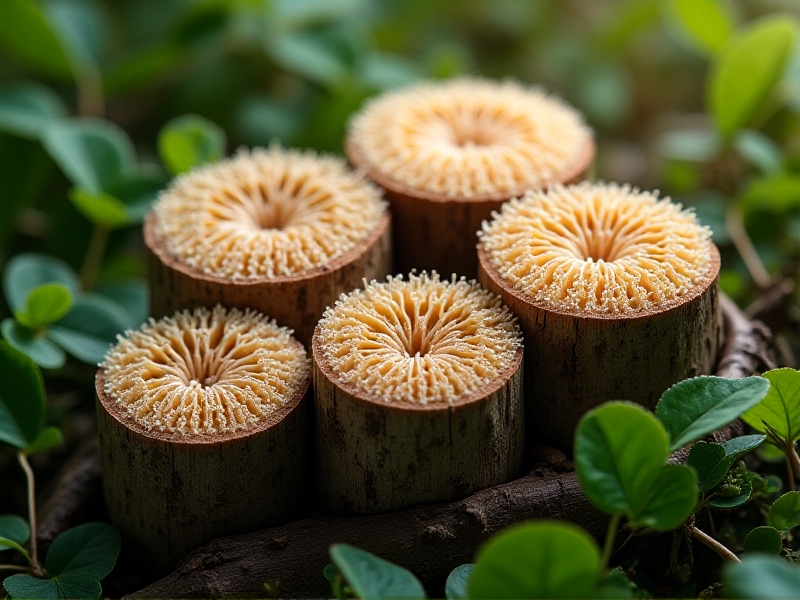
Edible mushroom log cultivation is a rewarding practice that merges horticulture with sustainability. Unlike substrate-based methods, this technique uses hardwood logs as a natural medium for mushroom mycelium to colonize and fruit. Species like shiitake, oyster, and lion’s mane thrive in this environment, producing flavorful yields over multiple years. The process begins with selecting fresh, healthy logs—ideally cut from oak, maple, or beech trees during their dormant season to preserve moisture and nutrients. Once inoculated with mushroom spawn, logs are stored in shaded, humid areas to mimic forest conditions. This method requires patience, as colonization can take 6–18 months, but it offers a low-maintenance, eco-friendly way to grow gourmet mushrooms at home or commercially.
Choosing the Right Wood for Mushroom Logs
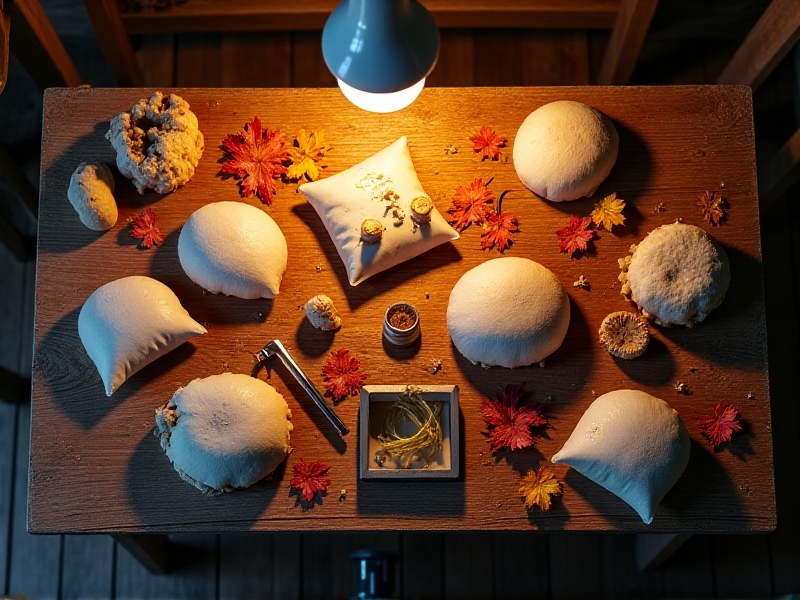
The choice of wood significantly impacts mushroom growth. Hardwoods such as oak, maple, and alder are preferred for their dense structure and nutrient-rich composition, which support prolonged mycelial activity. Avoid resinous softwoods like pine or cedar, as their antimicrobial properties inhibit fungal growth. Logs should be 3–4 feet long and 4–6 inches in diameter, sourced from healthy trees felled within the past month to prevent contamination. Freshness matters: overly dry logs lack the moisture needed for colonization, while decaying wood may host competing fungi. For shiitake cultivation, white oak is ideal due to its durability, while oyster mushrooms adapt well to softer hardwoods like poplar. Always remove branches and debris to minimize pest entry points, and store logs off the ground until inoculation.
Inoculation: Introducing Mushroom Spawn to Logs
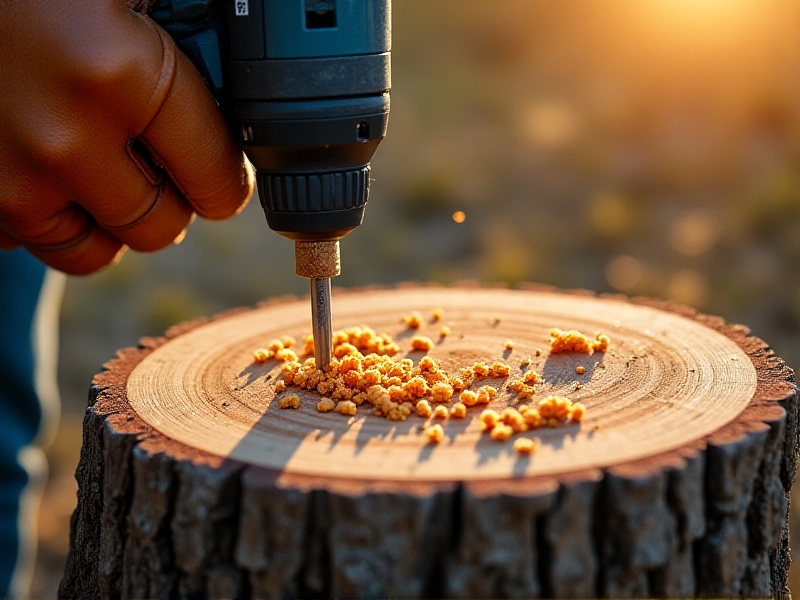
Inoculation is the process of embedding mushroom spawn into logs. Start by drilling evenly spaced holes across the log’s surface—typically 1 inch deep and 6–8 inches apart. Plug spawn (mycelium-infused wooden dowels) or sawdust spawn can be inserted into these holes, then sealed with wax to retain moisture and prevent contamination. Melted food-grade cheese wax is commonly brushed over each inoculation point using a paintbrush. This step demands precision: too much wax suffocates the spawn, while too little invites pests. Inoculated logs are then stacked in a crisscross pattern to promote airflow and labeled with the mushroom species and inoculation date. Over the following months, mycelium spreads through the log’s vascular system, breaking down lignin and cellulose to form a resilient fungal network.
Maintaining Mushroom Logs for Optimal Growth
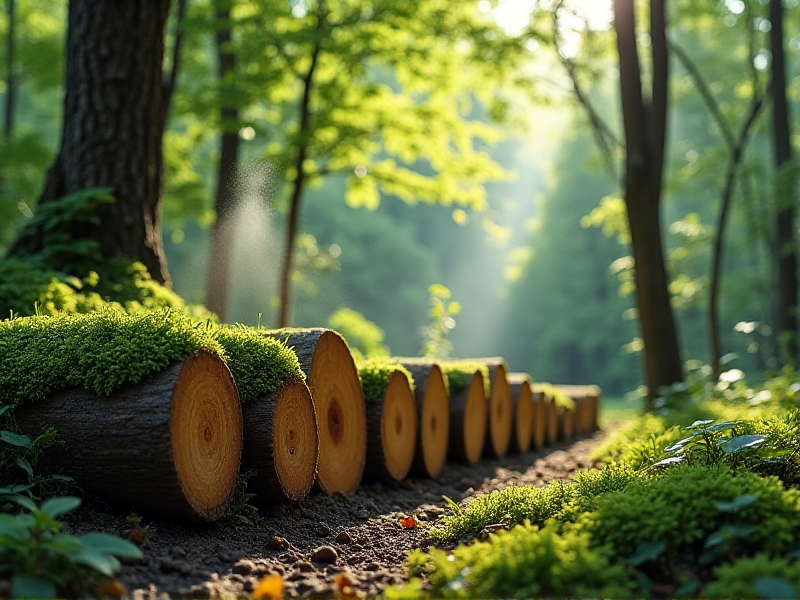
Successful cultivation hinges on maintaining consistent humidity, shade, and airflow. Logs should be kept in a shaded area—under trees or a tarp—to prevent drying. Regular watering or misting is essential, especially in dry climates, but avoid waterlogging. Soaking logs in clean water for 12–24 hours every 8–10 weeks can stimulate fruiting. Rotate logs quarterly to ensure even colonization and check for contaminants like mold or competing fungi. In colder climates, protect logs with straw or burlap during winter. Mycelium activity peaks when temperatures range between 60–80°F. Patience is key: visible mycelial growth (white, thread-like structures) may take months, but once established, logs can fruit annually for 3–7 years.
Harvesting and Enjoying Your Mushroom Crop
Fruiting typically begins after 6–18 months, signaled by small mushroom pins emerging from the log. Harvest mushrooms when caps are fully formed but still slightly curled under—overripe specimens may attract pests. Twist or cut mushrooms at the base to avoid damaging the mycelium. Freshly harvested mushrooms can be cooked immediately, dried for storage, or sold at local markets. After harvest, let logs rest for 8–12 weeks to recover before inducing another flush through soaking. Some species, like shiitake, produce larger yields in spring and fall, aligning with natural temperature shifts.
Troubleshooting Common Log Cultivation Challenges
Common issues include contamination, low yields, and pest infestations. Green mold often indicates excess moisture or poor airflow—relocate logs to a drier, breezier spot. If logs fail to fruit after 18 months, check for insufficient moisture or incompatible wood species. Beetles and slugs can be deterred with organic pesticides or copper tape. Re-inoculating failed logs is possible but risks cross-contamination. Regularly sanitize tools and handle spawn carefully to prevent introducing pathogens. Remember, log cultivation is a slow, observational process: subtle adjustments to microclimate and maintenance often yield dramatic improvements.