Dynamic Accumulator Plant Selection
Understanding Dynamic Accumulators: Nature’s Nutrient Cyclers
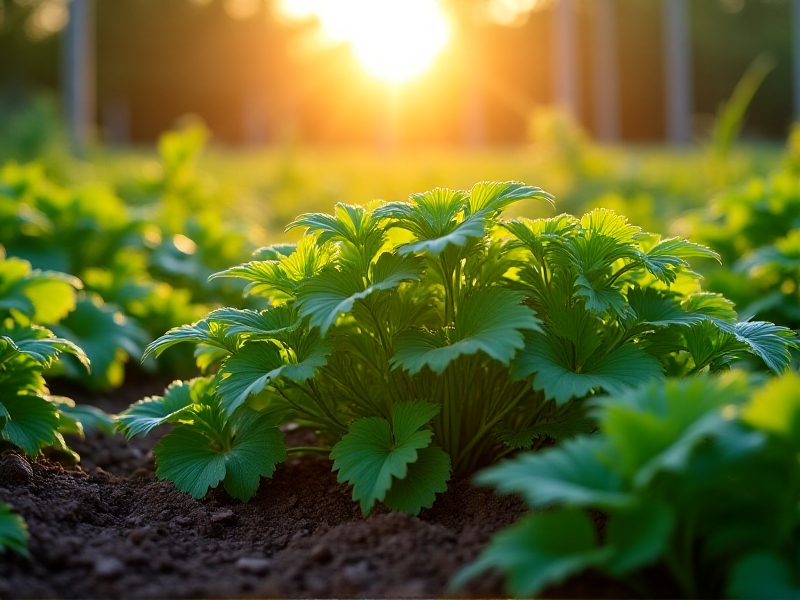
Dynamic accumulator plants are nature’s unsung heroes in sustainable gardening and permaculture. These plants possess deep root systems or unique physiological traits that allow them to mine nutrients from subsoil layers or atmospheric sources, storing them in their leaves, stems, or roots. When these plants decompose, the nutrients are released back into the topsoil, creating a self-sustaining cycle. Species like comfrey, stinging nettle, and dandelion are classic examples, celebrated for their ability to accumulate potassium, calcium, and nitrogen. Integrating these plants into garden designs reduces reliance on synthetic fertilizers, fostering ecosystems that mimic natural nutrient cycles.
The Science Behind Nutrient Accumulation
Dynamic accumulators employ two primary mechanisms: bioaccumulation and hyperaccumulation. Bioaccumulators like clover and vetch fix atmospheric nitrogen through symbiotic relationships with rhizobia bacteria. Hyperaccumulators, such as sunflower and mustard greens, absorb heavy metals or minerals from the soil. Their efficiency depends on root depth, soil pH, and microbial activity. For instance, comfrey’s taproots reach depths of 6-10 feet, accessing potassium and magnesium unavailable to shallow-rooted plants. Scientific studies highlight their role in phytoremediation—cleaning contaminated soils—while also enhancing soil fertility. Understanding these processes empowers gardeners to select species tailored to their soil’s unique deficiencies.

Selecting the Right Plants for Your Ecosystem
Choosing dynamic accumulators requires analyzing your soil’s nutrient profile and microclimate. Start with a soil test to identify deficiencies: iron-poor soils benefit from accumulators like dandelion, while magnesium-deficient plots thrive with buckwheat. Consider plant hardiness zones—borage excels in temperate climates, while pigeon pea thrives in tropical regions. Prioritize native species to support local biodiversity; for example, lupines in North America or tansy in Europe. Layer plants based on growth habits: low-growing chickweed for ground cover, tall sunflowers for vertical structure. Diversity ensures year-round nutrient cycling and pest resistance.

Dynamic Accumulators in Companion Planting and Guild Design
In permaculture guilds, dynamic accumulators act as nutrient reservoirs for neighboring plants. Planting comfrey near fruit trees provides a steady supply of potassium, boosting fruit yield. Nasturtiums, which accumulate phosphorus, pair well with heavy feeders like tomatoes. Guilds often combine accumulators with nitrogen fixers and pest-repellent herbs, creating synergistic relationships. For example, a guild around an apple tree might include clover (nitrogen), yarrow (phosphorus), and garlic (pest deterrent). This approach minimizes competition, optimizes space, and builds resilient polycultures.

Harnessing Dynamic Accumulators: Cultivation and Management Techniques
To maximize benefits, manage accumulators through chop-and-drop mulching. Cut foliage during peak growth and lay it around crops to slowly release nutrients. Avoid overharvesting; leave 30% of leaves to sustain plant health. Coppicing trees like paulownia—an excellent nitrogen accumulator—promotes vigorous regrowth. Timing matters: harvest nutrient-rich leaves before flowering for optimal mineral content. Rotate accumulator species annually to prevent soil depletion of specific elements. Inoculate soil with mycorrhizal fungi to enhance nutrient uptake efficiency, creating a thriving underground network.
Challenges and Limitations of Relying on Dynamic Accumulators
While valuable, dynamic accumulators aren’t a panacea. Overreliance can lead to imbalanced nutrient ratios; excessive potassium from comfrey may hinder calcium uptake. Some species, like fennel, exhibit allelopathic traits, suppressing nearby plant growth. Slow decomposition rates in cool climates may delay nutrient availability. Additionally, hyperaccumulators like sunflower can concentrate toxins—avoid using them in contaminated soils unless for remediation. Regular soil testing and diversifying plant selections mitigate these risks, ensuring sustainable outcomes.
Real-World Applications: Case Studies and Success Stories
Urban farms in Detroit have transformed vacant lots using dynamic accumulators like clover and chicory, restoring degraded soils to productivity. In Australia, permaculturists use tagasaste trees to rehabilitate arid lands, their deep roots accessing subsurface moisture and nutrients. A vineyard in California intercrops mustard greens between grapevines, naturally suppressing nematodes while boosting sulfur levels. These examples illustrate the adaptability of dynamic accumulators across climates and scales, proving their role in regenerative agriculture.