Companion Planting for Nightshades
Understanding Companion Planting with Nightshades
Nightshades—tomatoes, peppers, eggplants, and potatoes—are staples in many gardens, but their cultivation comes with unique challenges. Companion planting, the practice of strategically pairing plants to enhance growth and deter pests, offers a natural solution. Nightshades thrive when surrounded by plants that repel insects, improve soil nutrients, or provide shade. This symbiotic relationship reduces reliance on chemical interventions, fostering a healthier ecosystem. By understanding their specific needs, gardeners can unlock higher yields and more resilient crops.

The Science Behind Companion Planting Benefits
Companion planting works through mechanisms like pest deterrence, nutrient sharing, and habitat creation. Marigolds, for example, emit a chemical that repels nematodes, while basil masks the scent of tomatoes, confusing aphids. Legumes fix nitrogen in the soil, benefiting nitrogen-hungry nightshades. Diversity in planting also disrupts pest breeding cycles and attracts beneficial insects like ladybugs and hoverflies. These interactions create a balanced environment where nightshades can flourish without excessive human intervention.
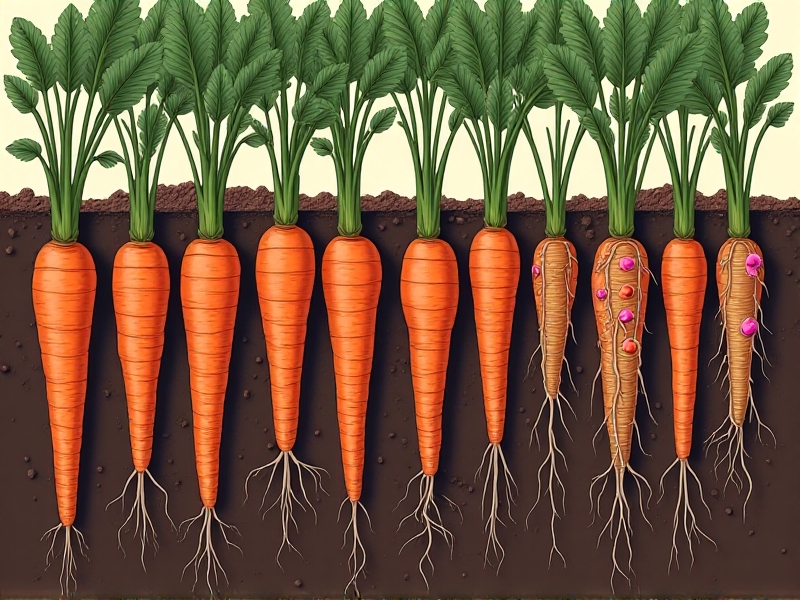
Top Companion Plants for Tomatoes
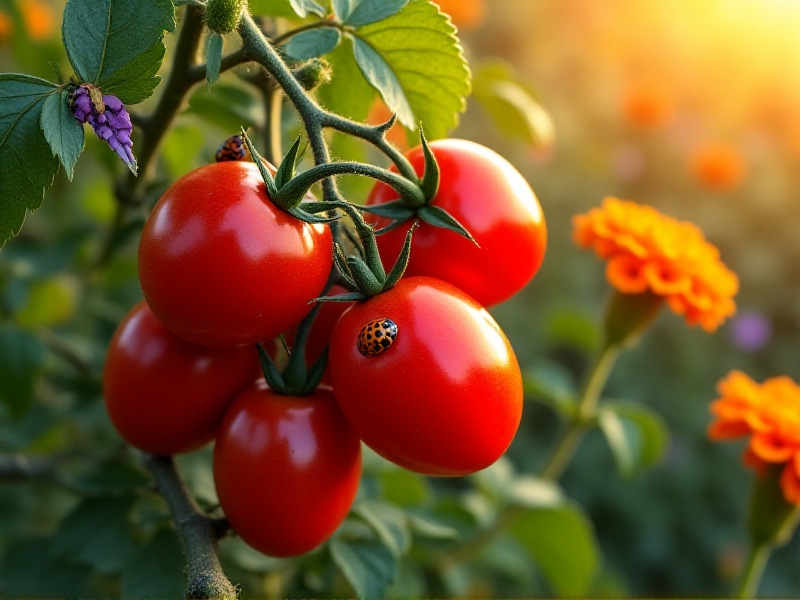
Tomatoes benefit from companions like basil, which enhances their flavor and repels thrips. Marigolds combat root-knot nematodes, and nasturtiums act as a trap crop for aphids. Borage attracts pollinators while deterring tomato hornworms. Garlic planted nearby can reduce fungal infections. Avoid overcrowding by interplanting with quick-growing lettuce or spinach, which provide ground cover without competing for resources.
Ideal Partners for Peppers and Eggplants
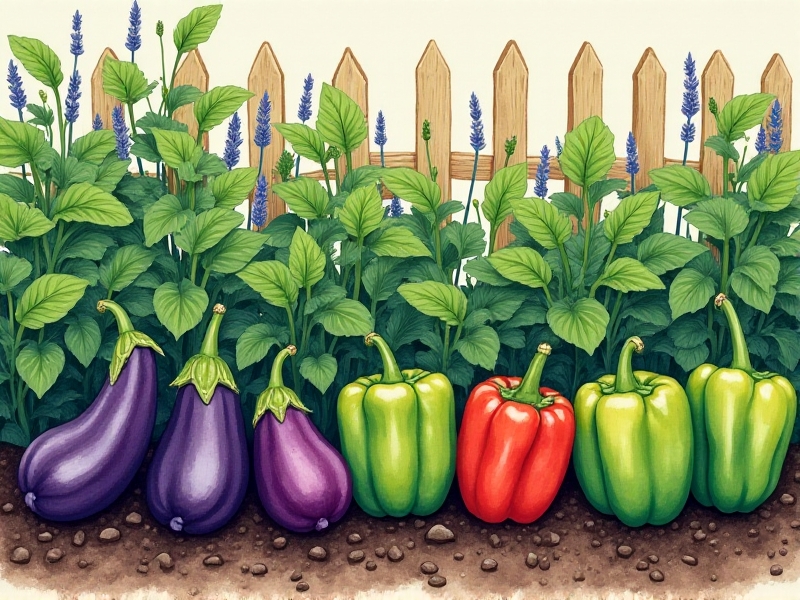
Peppers thrive alongside onions, which deter aphids and spider mites. Spinach provides shade and retains soil moisture, while oregano repels cabbage moths. Eggplants pair well with thyme to deter beetles and green beans, which fix nitrogen. Avoid planting fennel nearby—its allelopathic properties stunt growth. A layer of mulch around peppers and eggplants helps maintain consistent soil temperature and moisture.
Potato Companions: Allies Underground and Above
Potatoes benefit from horseradish, which repels Colorado potato beetles, and cilantro to deter aphids. Bush beans improve soil nitrogen without competing for space. Avoid planting potatoes near tomatoes, as both are susceptible to blight. Intercropping with aromatic herbs like catnip confuses pests, while flax plants reduce wireworm infestations. Shallow-rooted companions like lettuce maximize space without disturbing tubers.
Plants to Avoid Near Nightshades
Certain plants inhibit nightshade growth. Fennel releases chemicals that stunt tomatoes and peppers. Kohlrabi and other brassicas compete aggressively for nutrients. Avoid planting nightshades near raspberries, which share verticillium wilt susceptibility. Dill attracts tomato hornworms, and walnuts produce juglone, toxic to nightshades. Always research plant compatibility to prevent unintended setbacks.
Designing a Nightshade-Friendly Garden Layout
Maximize space and sunlight by arranging tall plants like tomatoes on the north side to avoid shading shorter crops. Use vertical trellises for cucumbers or beans between pepper rows. Intersperse flowers like calendula for pest control and aesthetics. Leave adequate airflow between plants to prevent fungal diseases. Incorporate raised beds for better drainage, crucial for potatoes and eggplants.
Seasonal Strategies for Succession and Rotation
Rotate nightshades annually to prevent soil depletion and disease buildup. After harvesting tomatoes, plant nitrogen-fixing peas to rejuvenate the soil. In fall, sow garlic or spinach as cover crops. Early spring companions like radishes can be harvested before nightshades mature. Adjust plant pairs based on seasonal pest activity—for instance, add more marigolds during nematode-prone summers.
Case Studies: Real-World Companion Planting Successes
A community garden in Oregon reduced aphid infestations by 60% after interplanting eggplants with thyme and borage. A California urban farm increased tomato yields by pairing them with basil and marigolds, avoiding synthetic pesticides. In Maine, a potato grower minimized beetle damage using horseradish borders. These examples underscore the practicality and scalability of companion planting.