Community Compost Hub Management
Community Compost Hubs: A Catalyst for Sustainable Urban Living
Community compost hubs are emerging as vital tools in the fight against food waste and climate change. These decentralized systems empower neighborhoods to transform organic waste into nutrient-rich soil, closing the loop in local food ecosystems. By fostering collaboration and environmental stewardship, they redefine how cities handle waste while strengthening community bonds.
Why Community Compost Hubs Matter
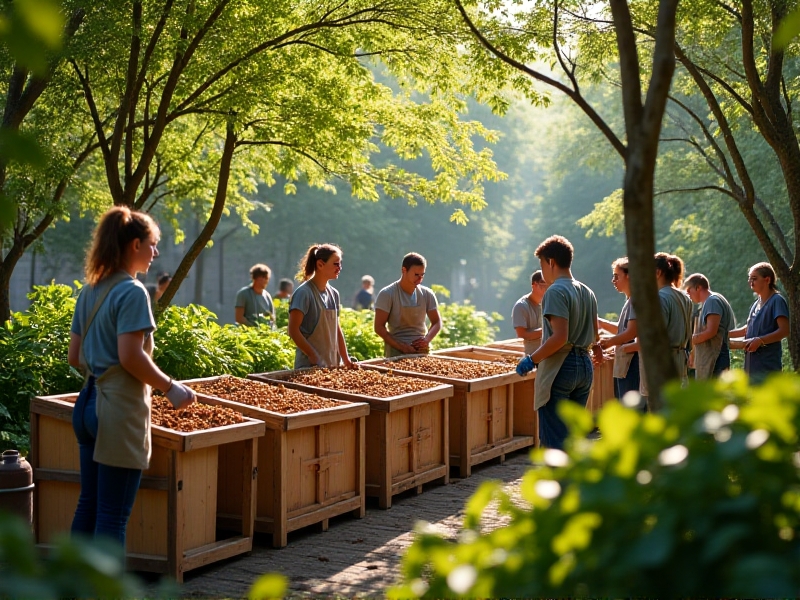
Over 30% of municipal waste is organic, much of which ends up in landfills, releasing methane—a potent greenhouse gas. Community hubs divert this waste, reducing emissions while creating a resource for urban agriculture. Beyond environmental benefits, these hubs foster social connections, educate residents about circular economies, and empower neighborhoods to take ownership of their ecological impact. Cities like San Francisco and Singapore have seen success with decentralized composting, demonstrating scalability and adaptability.
Choosing the Right Location
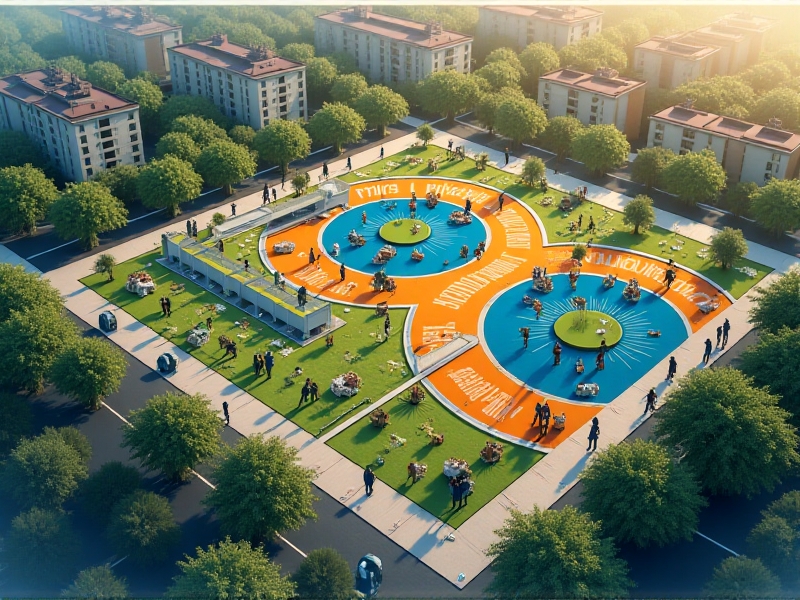
Site selection determines a hub’s accessibility and success. Ideal locations balance proximity to residential areas with sufficient space for bins, tools, and foot traffic. Public parks, community gardens, or unused lots near transit routes are prime candidates. Consider soil drainage, sunlight exposure, and noise impact. Engage local stakeholders early—schools, businesses, or housing complexes—to ensure alignment with community needs. A well-placed hub becomes a neighborhood landmark rather than a nuisance.
Building Infrastructure on a Budget
Start small with repurposed materials: wooden pallets for bins, salvaged signage, and DIY aerators. Three-chamber systems allow continuous processing—fresh scraps in one bin, active decomposition in another, and finished compost in the third. Invest in moisture meters and thermometers to monitor pile health. Local governments or sustainability grants often fund starter kits. Portland’s ShareWaste app connects households to hubs, proving tech can enhance low-cost solutions.
Educating and Engaging Volunteers
Training ensures consistent practices. Workshops on balancing greens (food scraps) and browns (dry leaves) prevent smelly or pest-ridden piles. Use visual guides in multiple languages to accommodate diverse communities. Recognize top contributors with “Compost Champion” badges or social media shoutouts. Youth programs, like compost-themed science projects, cultivate long-term buy-in. Remember: enthusiasm is contagious—a well-run hub becomes a gathering space, not just a waste site.
Navigating Regulations and NIMBYism
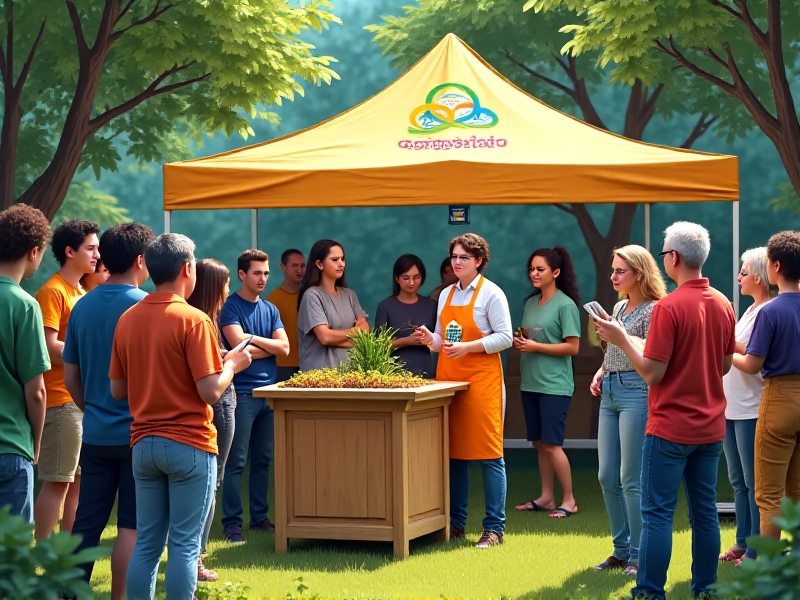
Zoning laws and health codes vary widely. In some regions, hubs must maintain specific distances from residences or limit drop-off hours. Proactively address odor concerns with bokashi (fermented) composting or biofilters. Data wins skeptics over: track waste diverted and share success metrics at town halls. Partner with local farms to redistribute compost, proving the hub’s tangible benefits. When opposition arises, emphasize community ownership—every stakeholder has a role in the solution.
Scaling Through Partnerships
Collaboration amplifies impact. Cafés and grocery stores can donate expired produce, while bike collectives handle transport. Schools integrate hub visits into STEM curricula. In Boston, the Bootstrap Compost initiative offers subscription services, blending community engagement with entrepreneurial models. Such partnerships turn hubs into circular economy nodes, linking waste generators to urban growers and creating a self-sustaining loop.

Measuring Success Beyond Metrics
While tons diverted matter, qualitative outcomes define longevity. Survey participants about changed habits—do they waste less food? Have new friendships formed? Celebrate non-environmental wins: a hub in Melbourne hosts potluck dinners using garden-grown ingredients. These stories humanize data, making the hub irreplaceable in the community’s identity. After all, sustainability thrives when it’s personal.
The Future of Urban Composting
Innovations like IoT sensors for moisture control or modular hubs for high-rises hint at a scalable future. Policy shifts, such as mandates for organic waste separation, could propel hubs from grassroots projects to urban essentials. Imagine cities where every neighborhood has a compost hub as standard as a bus stop—a testament to collective responsibility. The seeds planted today in community composting will grow into the forests of tomorrow’s circular cities.