Chop-and-Drop Mulching Schedules
Understanding Chop-and-Drop Mulching: A Natural Soil-Building Strategy
Chop-and-drop mulching is a regenerative gardening technique where plants are cut and left to decompose directly on the soil surface. Unlike traditional mulching, which often relies on imported materials like straw or wood chips, this method uses existing vegetation to create a self-sustaining cycle. The practice mimics natural forest ecosystems, where fallen leaves and branches nourish the soil. By strategically selecting plants and timing their harvest, gardeners can build fertility, suppress weeds, and conserve moisture—all while reducing labor and waste.
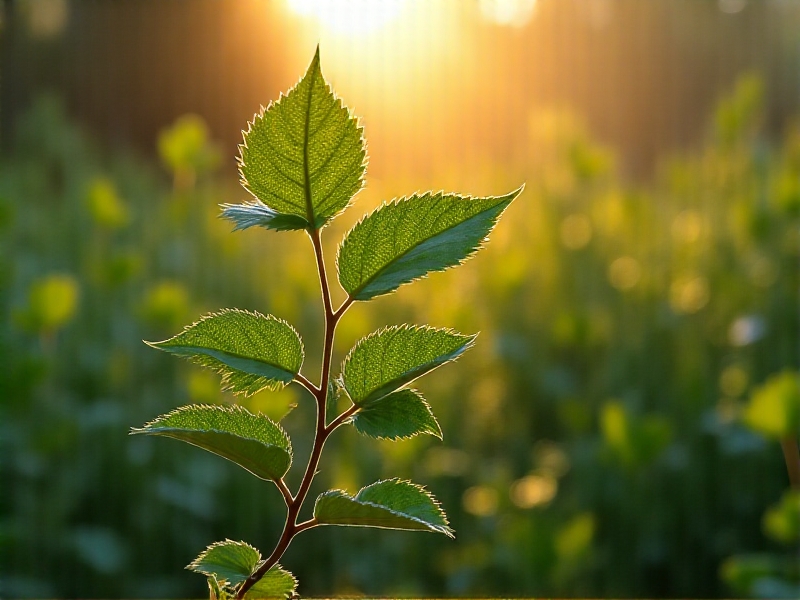
The Benefits of Chop-and-Drop Mulching for Soil Health
This method directly contributes to soil biology by providing a steady supply of organic matter. As chopped foliage breaks down, it feeds earthworms and microbial communities, improving soil structure and nutrient availability. Studies show that consistent mulching can increase water infiltration rates by up to 35%, reducing irrigation needs during dry spells. The physical mulch layer also moderates soil temperature, protecting plant roots from extreme heat or frost. Over time, gardens using this approach often see a reduction in pest pressure as balanced ecosystems develop.
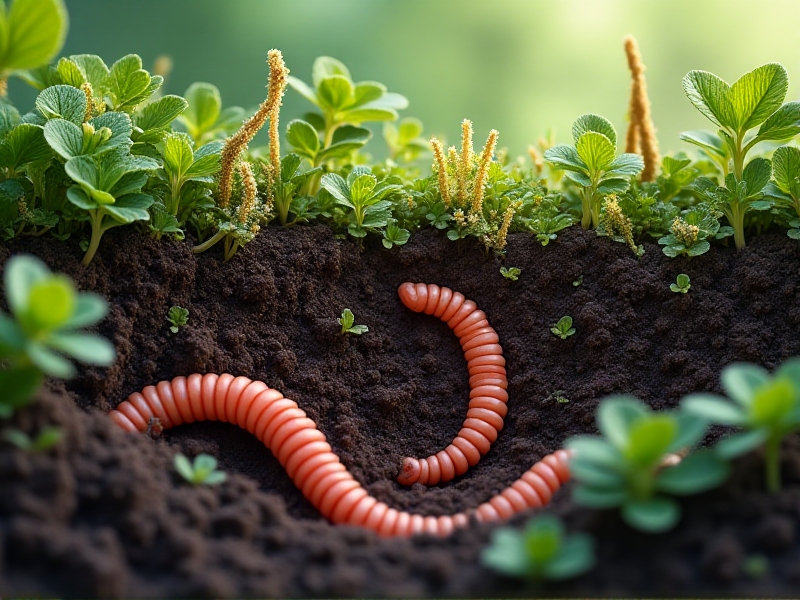
Selecting the Right Plants for Your Chop-and-Drop System
Nitrogen-fixing species like comfrey, pigeon pea, and clover are staples in chop-and-drop systems due to their rapid regrowth and nutrient-rich biomass. Dynamic accumulators—plants with deep roots that mine minerals from subsoil—include borage and dandelion. For shaded areas, consider shade-tolerant options like hostas or ferns. When designing plant combinations, prioritize perennial varieties that require minimal replanting and include flowering species to support pollinators. Avoid invasive plants that might root from cuttings, such as mint or certain grasses.
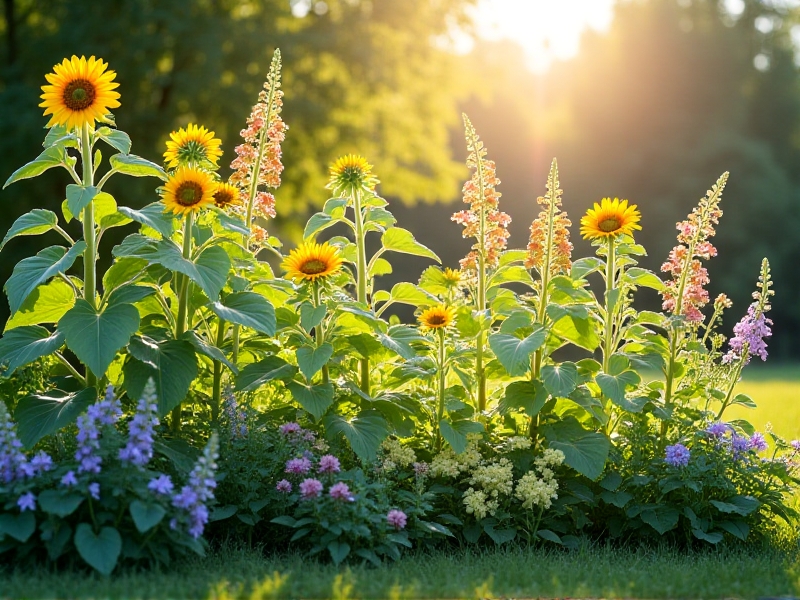
Seasonal Chop-and-Drop Schedules: A Year-Round Approach
Spring: Prune early bloomers like lupine after flowering, using the biomass to mulch summer crop beds. Summer: Cut back fast-growing herbs like basil before they flower, distributing the leaves around heat-stressed plants. Fall: Chop spent annuals and frost-killed vegetation, leaving the debris as winter insulation. Winter: Process evergreen trimmings from plants like rosemary or thyme for mulch in protected cold frames. In tropical climates, maintain monthly chop cycles with banana stems and hibiscus branches to counter rapid decomposition rates.

Implementing Chop-and-Drop: Tools and Techniques
Essential tools include sharp bypass pruners for clean cuts and a sturdy hori-hori knife for division tasks. For large-scale operations, consider battery-powered hedge trimmers. The 30% rule helps maintain plant vitality—never remove more than a third of a plant’s biomass at once. Create “chop-and-drop zones” by alternating harvest areas to allow regrowth. To accelerate decomposition, layer green materials (high in nitrogen) with brown materials (carbon-rich) in a 1:3 ratio. Water the mulch after application during dry periods to activate microbial breakdown.
Troubleshooting Common Chop-and-Drop Challenges
Excessive slugs? Create drier mulch conditions by using aromatic herbs like thyme instead of lush greens. If decomposition stagnates, sprinkle a microbial inoculant or finished compost between layers. For persistent weeds, solarize thick mulch mats under black plastic for 4-6 weeks before planting. In fire-prone areas, maintain a 1-meter clearance around structures using stone mulch instead of plant material. Rotate mulch types annually to prevent nutrient imbalances—follow a legume-rich year with a carbon-focused year using sunflower stalks or corn stover.
The Ecological Impact of Regenerative Mulching Practices
By sequestering carbon through continuous organic matter addition, a 500 sq ft chop-and-drop garden can offset the annual emissions of a small gasoline-powered lawn mower. This method reduces the need for synthetic fertilizers, preventing nitrogen runoff that contributes to aquatic dead zones. Urban practitioners report increases in native bee populations within two seasons as diverse plantings create habitat. Unlike commercial mulches that may contain dyes or chemical residues, on-site biomass ensures complete control over input quality.