Chicken Feed from Food Scraps
Transforming Food Scraps into Nutritious Chicken Feed
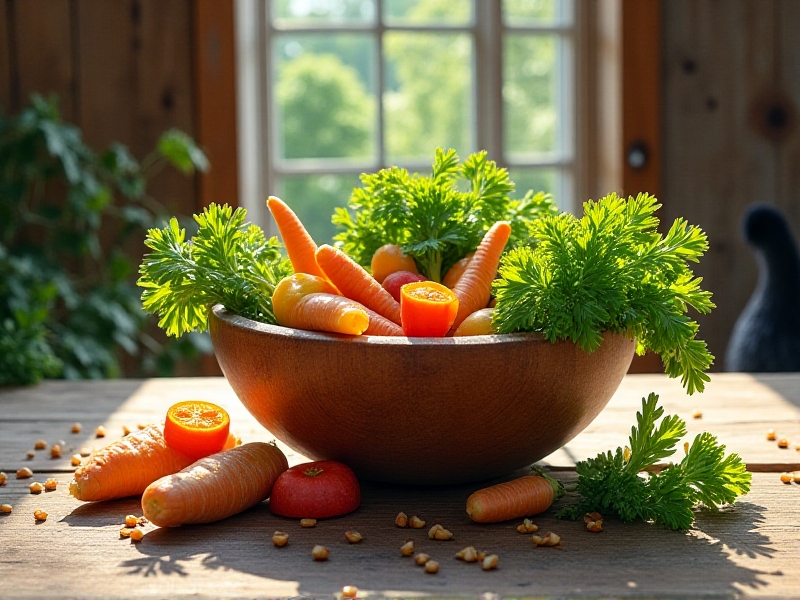
Every kitchen generates food scraps, but few realize their potential as a sustainable feed source for backyard chickens. From carrot tops to melon rinds, these discarded items can be transformed into nutritious meals for your flock. This practice not only reduces household waste but also cuts feed costs while providing varied nutrition. However, successful scrap feeding requires understanding which foods benefit poultry health and which could pose risks. This section explores the surprising value hidden in common food waste and introduces safe practices for incorporating scraps into your chickens' diet.
Safe vs. Harmful: Navigating the Scrap Selection Process
Not all food scraps suit chicken consumption. Safe options include most vegetable peels, cooked grains, and fruit remnants (excluding citrus peels in excess). Protein-rich treats like unsalted meat scraps or mealworms can supplement their diet. Dangerous items include avocado pits and skins (containing persin), raw potato peels (solanine), and anything moldy or oversalted. Chocolate and caffeine products are strictly off-limits. This section provides a comprehensive list of approved and prohibited scraps, explaining the science behind each restriction while offering alternatives for common questionable items like tomato leaves or garlic cloves.
From Bin to Beak: Preparing Scraps for Optimal Consumption

Proper preparation maximizes nutritional value and minimizes choking hazards. Hard vegetables like winter squash require chopping or light steaming. Starchy scraps like pasta should be cooked without salt. This section details processing techniques for various scrap types, including safe storage methods to prevent spoilage. Learn to create a weekly scrap meal plan that rotates nutrients, discover which scraps boost egg production (like calcium-rich kale stems), and understand why fermented rice improves digestion. Includes tips on maintaining feeder hygiene to prevent bacterial growth and attract pests.
Balancing the Scrap-to-Feed Ratio: Ensuring Complete Nutrition
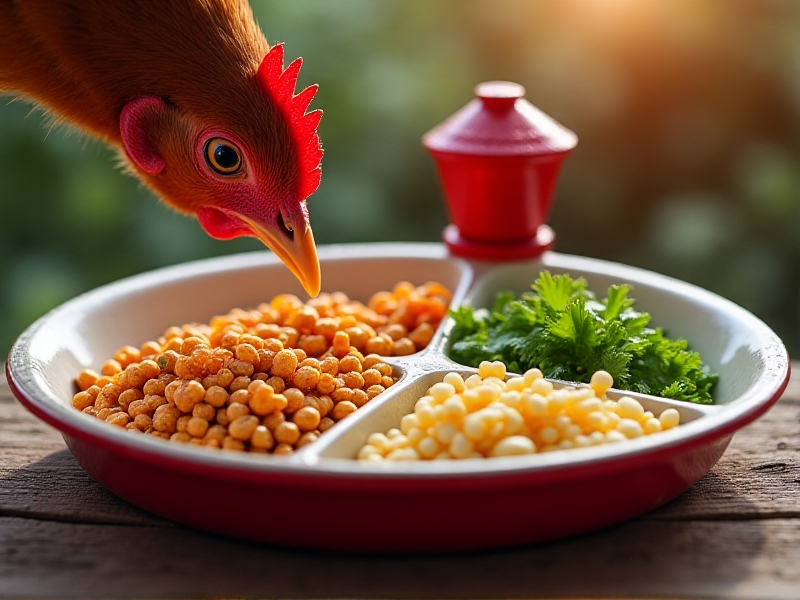
While scraps provide variety, they shouldn't exceed 20-30% of a chicken's total diet. This section explains how to maintain proper protein, calcium, and grit levels when using scraps. Learn to identify nutritional deficiencies through eggshell quality and feather condition. Discover which scraps compensate for commercial feed shortcomings - like using fish remnants for omega-3 boosting or watermelon for hydration in summer. Includes a troubleshooting guide addressing common issues like obesity from carb-heavy scraps or calcium depletion from acidic fruit overconsumption.
Composting the Unusable: Closing the Waste Cycle
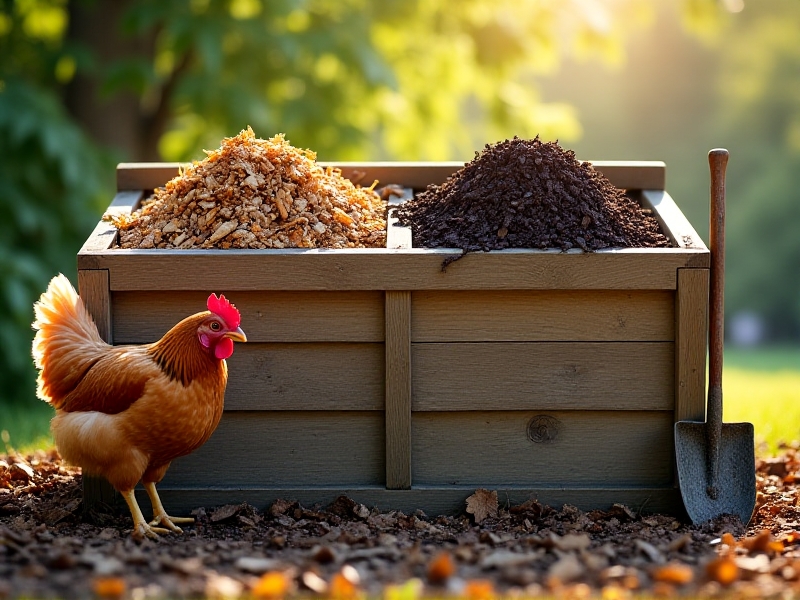
Some scraps simply can't be fed directly - onion skins, citrus peels in large quantities, or woody stems. This section teaches how to safely compost these items into nutrient-rich garden amendments that indirectly benefit chickens by growing their future snacks. Explore bokashi fermentation for meat scraps, hot composting techniques to eliminate pathogens, and how to use finished compost in chicken-friendly herb gardens. Includes a diagram for positioning compost systems relative to coops to deter pests while allowing birds to naturally scratch for compost-dwelling insects.
Seasonal Scrap Strategies: Year-Round Feeding Plans
Food scrap availability changes with seasons, requiring adaptable feeding approaches. Summer brings abundant melon rinds and berry leftovers, perfect for hydration. Fall yields pumpkin guts and apple cores rich in vitamins. Winter necessitates calorie-dense cooked grains and sprouts. This monthly guide helps chicken keepers align their scrap usage with natural cycles, including holiday-specific tips (avoiding seasoned turkey carcasses) and preserving summer surpluses through drying or freezing techniques. Learn which cold-weather scraps help prevent frostbite and how spring greens support post-molt feather regrowth.
Community Impact: Scaling Up Scrap Recycling
Urban farms and community chicken projects demonstrate scrap feeding's scalability. This section profiles a Portland coop that diverts 1.2 tons of scraps annually from landfills, partnered with seven restaurants. Discover how schools integrate scrap feeding into STEM programs, teaching composting math and animal biology. Includes templates for initiating neighborhood scrap exchanges, food safety waivers for public donations, and cooperative feeding schedules. Addresses challenges like maintaining consistent scrap quality and handling regulatory hurdles for larger operations, complete with success metrics from existing programs.