Bokashi Composting in Small Yards
Bokashi Composting 101: A Space-Saving Solution for Urban Gardeners
Urban living often means limited outdoor space, but that doesn’t have to curb eco-friendly habits. Bokashi composting, a Japanese fermentation method, offers a compact, odor-free way to recycle kitchen scraps—ideal for balconies, patios, or even under the kitchen sink. Unlike traditional composting, Bokashi uses anaerobic microbes to break down waste, transforming everything from veggie peels to meat scraps into nutrient-rich soil amendments. This method requires minimal effort and space, making it a game-changer for small-yard enthusiasts.
How Bokashi Works: The Science Behind Fermentation
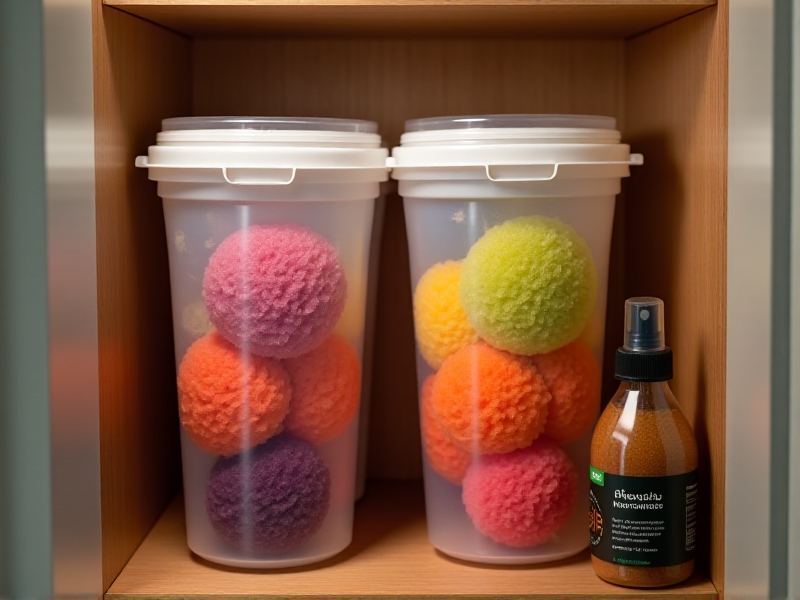
Bokashi relies on inoculated bran to kickstart fermentation. When layered with food waste in an airtight container, the bran’s microbes—typically lactic acid bacteria and yeast—break down organic matter without producing methane. This process acidifies the waste, preserving nutrients while preventing rot. Over two weeks, the mixture transforms into “pre-compost,” which is then buried or added to soil. The result? Faster decomposition and a richer end product compared to traditional composting.

Setting Up Your Bokashi System in Tight Quarters
Start with two compact bins (5-gallon buckets work) to rotate batches. Place your primary bin in a shaded corner or under the sink—any spot away from direct sunlight. Layer food scraps with Bokashi bran, pressing to remove air pockets. Once full, let it ferment for 14 days while starting a second bin. Drain the nutrient-rich “Bokashi tea” weekly through a spigot; dilute it 1:100 for plant food or pour undiluted down drains to prevent clogs.
Bokashi vs. Traditional Composting: The Urban Edge
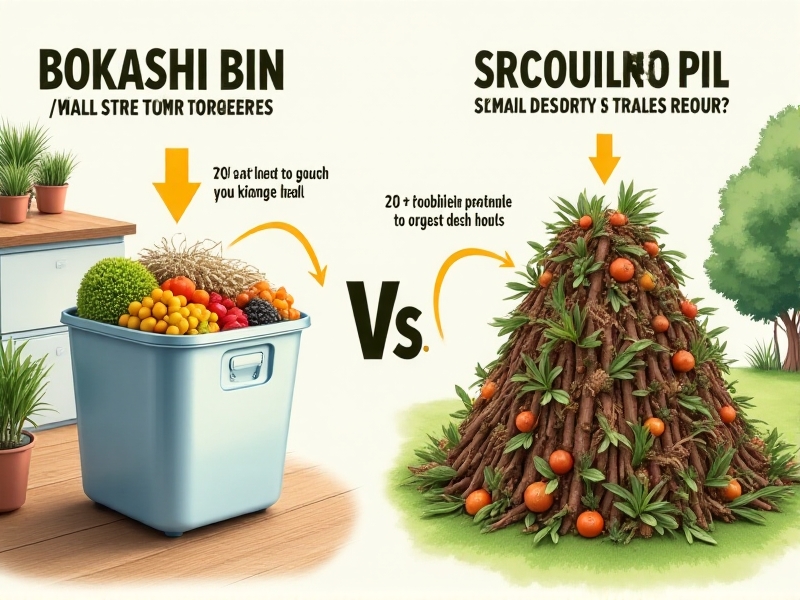
Traditional composting needs airflow, bulk materials, and regular turning—challenging in tiny yards. Bokashi thrives in confined spaces, handles proteins and dairy (typically compost no-gos), and works year-round. While traditional piles can attract pests or smell if imbalanced, Bokashi’s sealed system stays discreet. Combine both methods: bury fermented Bokashi waste in garden beds to supercharge soil while maintaining a traditional bin for yard trimmings.
Troubleshooting Common Bokashi Hiccups
Sour smells? Likely from insufficient bran—add more and ensure tight sealing. White mold is beneficial, but black mold signals excess moisture; add shredded newspaper to absorb liquid. Fruit flies? Check bin seals and bury waste immediately after fermentation. If the compost feels slimy, drain tea more frequently. Remember: successful Bokashi should smell pickle-like, not rancid.
From Fermentation to Fertilizer: Using Bokashi Compost
After fermentation, mix pre-compost with soil in planter boxes or bury it 10 inches deep to avoid curious pets. Within 4 weeks, it becomes humus—dark, crumbly, and teeming with microbes. Use it to revitalize container gardens or boost raised beds. The drained Bokashi tea makes an excellent foliar spray; apply weekly to houseplants for lush growth.
Scaling Down, Impacting Up: Bokashi’s Environmental Perks
By diverting food waste from landfills, a single Bokashi bin can reduce methane emissions equivalent to 100kg of CO2 annually—all within 2 square feet. Urban adopters create closed-loop systems: kitchen scraps become garden gold, which grows herbs that return to the kitchen. Communities are now organizing neighborhood Bokashi exchanges, where households share bran and rotate pre-compost in shared garden plots.
The Small-Space Harvest: Success Stories & Starter Tips
Brooklyn rooftop gardener Maria Ramirez grows 30% more peppers using Bokashi tea. “It’s like espresso for plants,” she laughs. Start small: commit to composting coffee grounds and eggshells for two weeks. Pair your bin with a vermicompost setup for maximum waste diversion. Remember, even a quart-sized Bokashi bucket makes a difference—every avocado pit fermented is a step toward greener urban living.