Biointensive Spacing for Small Spaces
Understanding Biointensive Spacing: Core Principles
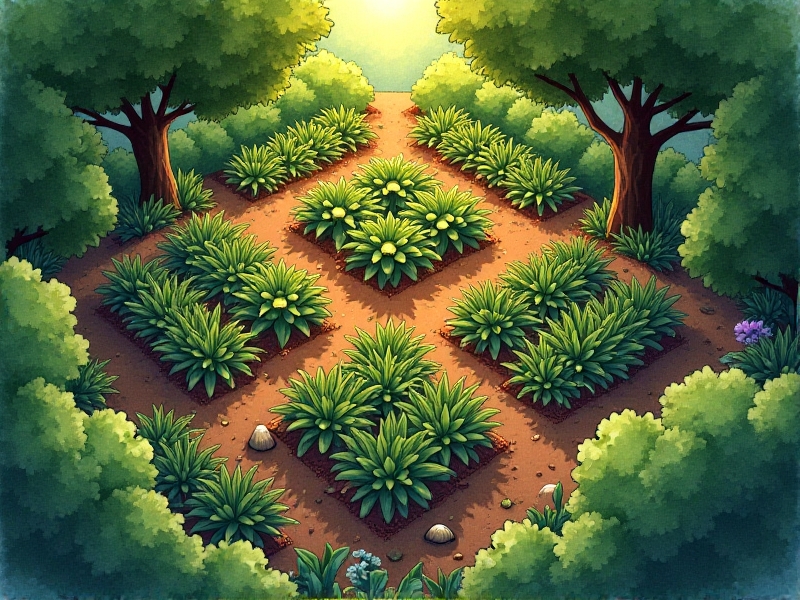
Biointensive spacing is a gardening methodology that combines ancient agricultural practices with modern ecological science to create highly productive growing systems in minimal space. At its core, this approach focuses on maximizing yield while improving soil health through dense planting, deep soil preparation, and organic matter recycling. Unlike traditional row gardening, which prioritizes machinery access over plant density, biointensive techniques arrange crops in hexagonal or triangular patterns to optimize light absorption and root development. The system operates on eight key principles: deep soil cultivation, composting, close plant spacing, companion planting, carbon-efficient crops, calorie-dense crops, open-pollinated seeds, and holistic system integration. By layering these strategies, gardeners can produce up to four times more food per square foot compared to conventional methods.
Why Biointensive Methods Excel in Small-Scale Gardens
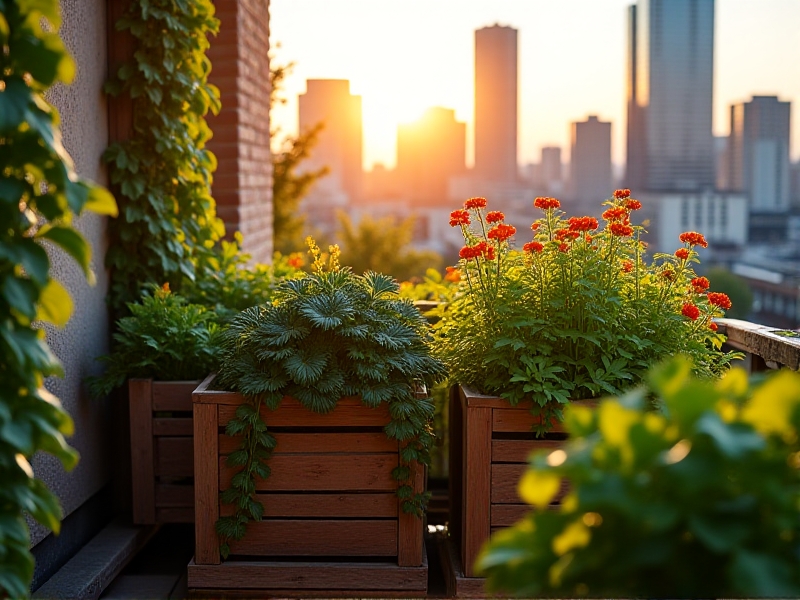
Urban growers and small-space enthusiasts gravitate toward biointensive techniques because they transform limitations into advantages. Tight quarters become opportunities for vertical layering and intercropping—for example, pairing tall sunflowers with shade-tolerant lettuce. The method’s emphasis on closed-loop systems reduces dependency on external inputs, making it ideal for balconies, rooftops, or tiny backyards where storing bulky fertilizers isn’t feasible. Soil vitality is continuously restored through compost generated from garden waste, creating self-sustaining beds that improve annually. Additionally, the dense foliage acts as a living mulch, suppressing weeds and retaining moisture. For apartment dwellers managing container gardens, biointensive principles adapt seamlessly to pots and raised beds, ensuring no inch of space goes underutilized.
Designing Your Compact Biointensive Garden Layout
Effective design begins with understanding your space’s microclimate. Observe sunlight patterns, wind exposure, and existing structures. Sketch a scaled map, dividing the area into growing beds no wider than 4 feet to ensure easy access. Use U-shaped or keyhole layouts to minimize pathways—dedicate at least 60% of total space to crops. Integrate vertical elements like arched trellises for peas or hanging baskets for strawberries. Apply the "stacked functions" concept: a bench might double as a herb planter, while a trellis provides shade for heat-sensitive greens. For continuity, stagger planting dates and incorporate quick-growing radishes between slower-maturing cabbage. This spatial choreography ensures year-round productivity without overcrowding.

Building Fertile Soil: The Heart of Biointensive Success
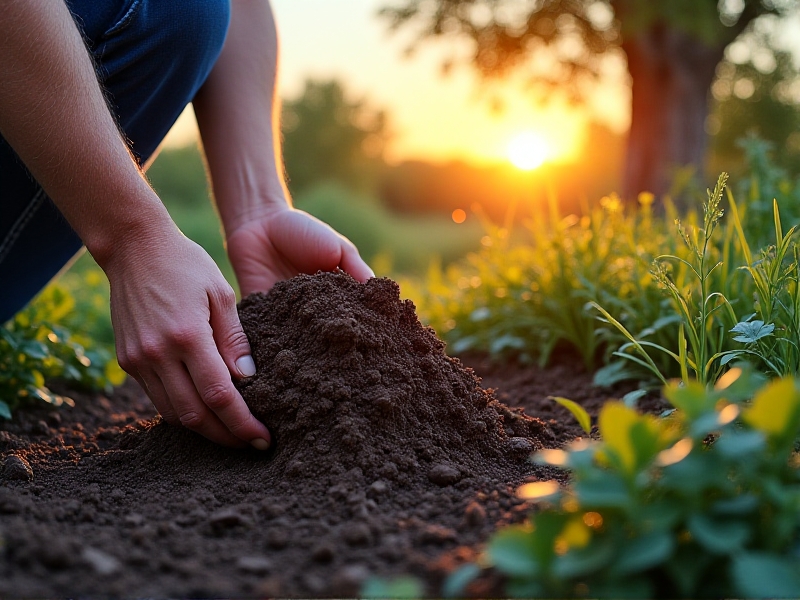
Soil preparation distinguishes biointensive gardening from other methods. Start by double-digging beds to 24 inches—this aerates compacted layers while integrating compost. The goal is to create a fluffy, well-drained substrate where roots can penetrate deeply. Annual additions of finished compost (30% of bed volume) replenish nutrients without chemical fertilizers. Vermicomposting kitchen scraps in stacked bins provides a steady supply of worm castings, while chop-and-drop mulching with comfrey or alfalfa adds nitrogen. Regular soil testing guides amendments: bone meal for phosphorus, kelp for trace minerals. Over time, this regimen cultivates topsoil 60% faster than natural processes, sequestering carbon and fostering mycorrhizal networks.
Selecting Plants for High-Density, High-Yield Harvests
Not all crops suit biointensive systems. Prioritize varieties that offer maximum nutrition per square foot. Leafy greens like spinach and chard thrive in tight quarters, while dwarf fruit trees trained against walls (espalier style) add vertical calories. Use the 60-30-10 rule: 60% carbon-rich crops (corn, amaranth) for composting, 30% calorie-dense roots (potatoes, leeks), and 10% income-generating plants like medicinal herbs. Companion planting combats pests—basil repels aphids from tomatoes, while marigolds deter nematodes. For continuous harvests, practice succession sowing every three weeks and interplant heat-loving cucumbers with cool-weather cilantro.
Maintenance Strategies for Thriving Compact Beds
Daily observation is crucial. Check for pest outbreaks or competition—thin seedlings early to prevent overcrowding. Water deeply but infrequently using drip irrigation or watering spikes to encourage deep roots. Mulch with straw or shredded bark to maintain moisture and temperature. Rotate crops annually using a four-year cycle to prevent disease buildup: follow heavy feeders (tomatoes) with light feeders (beans), then accumulators (chard), and finally soil builders (clover). Use diluted compost tea every two weeks as a foliar feed. For pest control, introduce predatory insects like lacewings or apply neem oil spray at dusk to avoid harming pollinators.
Avoiding Common Mistakes in Intensive Growing Systems
Overenthusiastic beginners often plant too densely, stifling air circulation. Leave adequate space for mature sizes—refer to seed packets for spread dimensions. Another pitfall is neglecting soil testing; acidic soil might require lime before planting brassicas. Inadequate composting leads to nutrient depletion—ensure a balanced mix of greens (nitrogen) and browns (carbon). Avoid monocropping even in small beds; diversity disrupts pest cycles. Finally, don’t overlook season extension tools like cloches or row covers, which boost productivity in cooler months.
Case Studies: Urban Balconies to Backyard Success Stories
In Seattle, a 200-square-foot rooftop garden produces 90% of a couple’s annual vegetables using stacked grow bags and a vermicompost system. A Tokyo apartment dweller harvests 15 pounds of produce monthly from a 4x6 foot balcony by training cucumbers up tension rods and using self-watering pots. In suburban Colorado, a family transformed their 1/8-acre lot into a food forest yielding fruits, vegetables, and medicinal herbs year-round through biointensive zoning. These examples prove that thoughtful design and ecological practices can turn any modest space into a bountiful oasis.