Biochar Production from Yard Waste
Understanding Biochar: A Carbon-Rich Soil Amendment
Biochar, a porous charcoal-like substance, is produced through the pyrolysis of organic materials—a process that heats biomass in a low-oxygen environment. Unlike ordinary charcoal, biochar is designed for agricultural use, improving soil fertility and sequestering carbon. Its honeycomb structure retains nutrients and water, creating a hospitable environment for beneficial microbes. For gardeners and environmentalists, biochar represents a sustainable solution to waste management and soil health degradation.
Why Yard Waste Is Ideal for Biochar Production
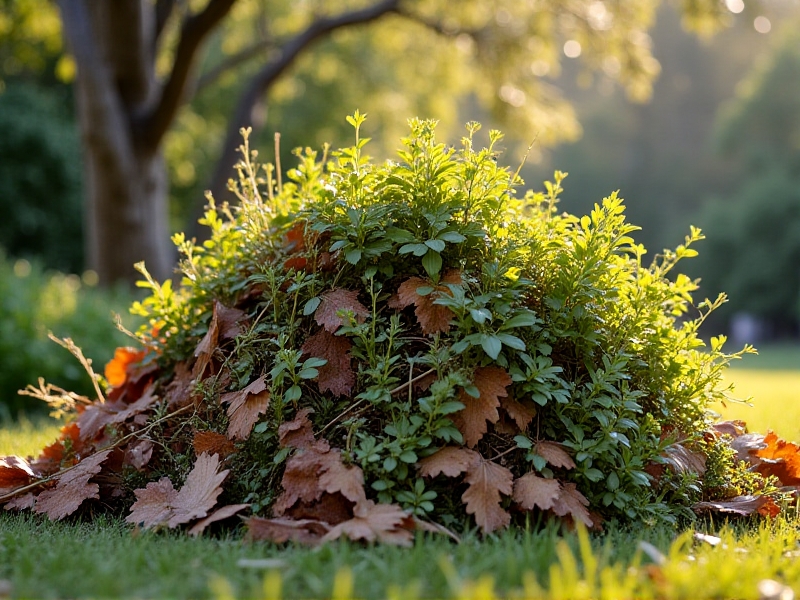
Yard waste—such as fallen leaves, branches, and grass clippings—is often overlooked as a resource. These materials are rich in cellulose and lignin, organic compounds that break down slowly, making them perfect for biochar production. Diverting yard waste from landfills reduces methane emissions, a potent greenhouse gas. Transforming this waste into biochar closes the carbon loop, returning organic matter to the soil while mitigating climate impact. Communities with abundant green waste can leverage this untapped potential for localized sustainability projects.
The Biochar Production Process: From Waste to Resource
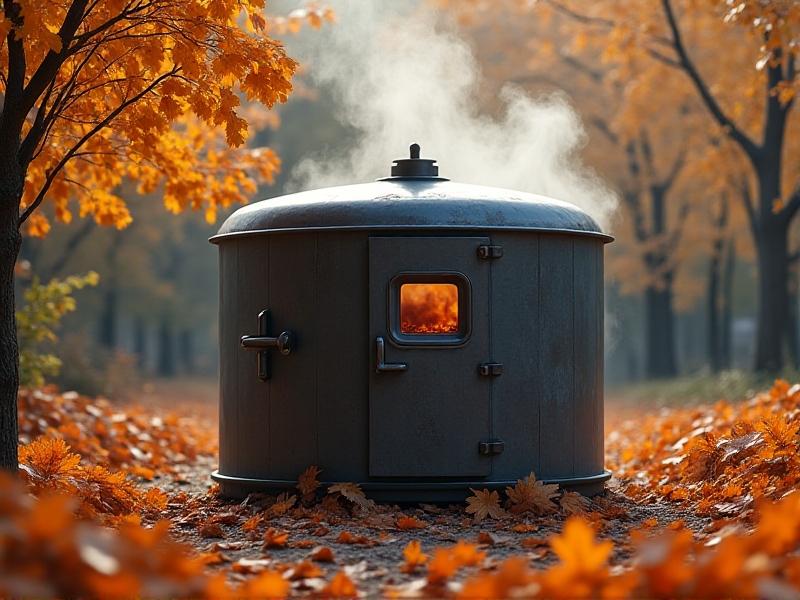
Producing biochar involves pyrolysis, where yard waste is heated to 400–700°C in a controlled environment with minimal oxygen. Traditional methods include pit kilns or cone-shaped metal retorts, while advanced systems use gasification to capture syngas byproducts. The key is ensuring complete carbonization without combustion. After cooling, the biochar is “charged” with compost or nutrients to activate its absorptive properties. Safety measures, like firebreaks and moisture control, are critical to prevent accidental wildfires during processing.
Environmental Benefits of Converting Yard Waste to Biochar
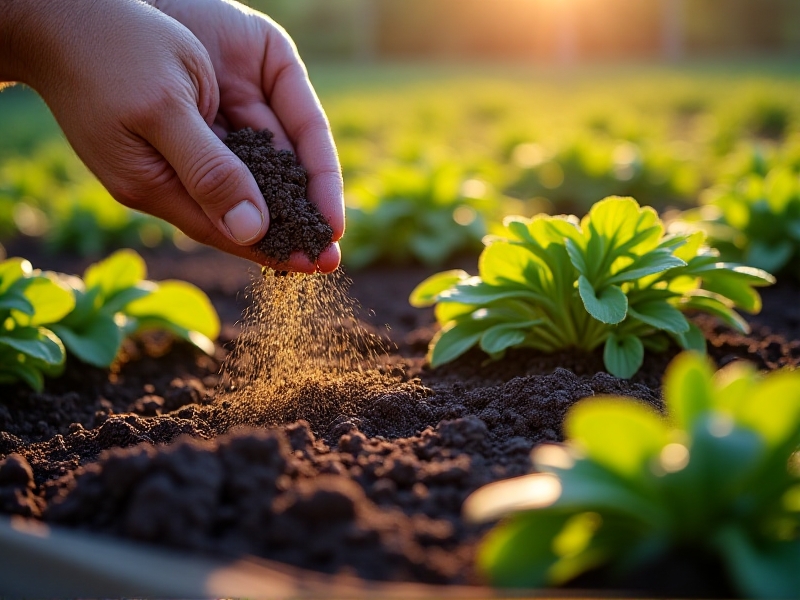
Biochar’s climate benefits are twofold: it prevents methane from decomposing yard waste in landfills and locks carbon into the soil for centuries. When added to gardens, it enhances soil structure, reducing the need for synthetic fertilizers. Studies show biochar-amended soils retain up to 50% more water, crucial in drought-prone regions. By turning waste into a resource, households and municipalities can shrink their carbon footprints while fostering resilient ecosystems.
DIY Biochar: A Step-by-Step Guide for Home Gardeners
Creating biochar at home requires minimal equipment. Start with a fireproof container, such as a steel drum, and fill it with dry yard waste. Ignite the material, then limit oxygen by covering the container once flames appear. After cooling, quench the char with water. Crush the biochar and mix it with compost to “activate” it before incorporating it into soil. Safety is paramount—perform this outdoors, away from structures, and keep water nearby to manage embers.
Scaling Up: Community Initiatives and Future Innovations
Cities like Berkeley and Stockholm have launched municipal programs to convert yard waste into biochar, reducing landfill costs and creating circular economies. Emerging technologies, like mobile pyrolysis units, enable on-site processing at parks or farms. Researchers are exploring additives to enhance biochar’s nutrient content or tailor it for polluted soils. As awareness grows, biochar could become a cornerstone of urban sustainability strategies, bridging waste management and regenerative agriculture.