Bee-Friendly Flower Matrix Planting
The Vital Role of Bees and the Need for Habitat Support
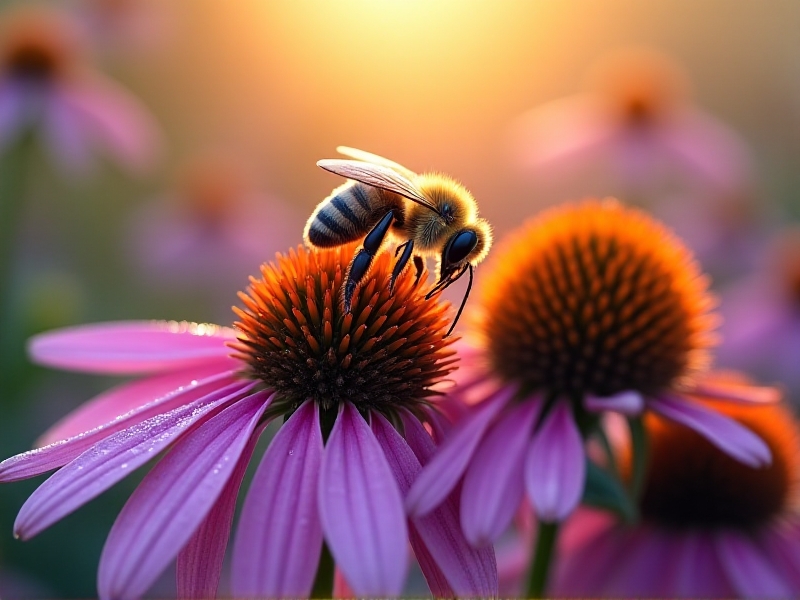
Bees are indispensable pollinators, responsible for fertilizing over 75% of flowering plants and 35% of global food crops. Yet habitat loss, pesticides, and climate change have triggered alarming declines in both wild and domesticated bee populations. Creating bee-friendly flower matrices—diverse, layered plantings that provide continuous forage—offers a tangible way to support these vital insects. Unlike traditional gardens, matrix planting prioritizes species that bloom sequentially, ensuring pollen and nectar availability from early spring to late fall.
Understanding the Flower Matrix Concept
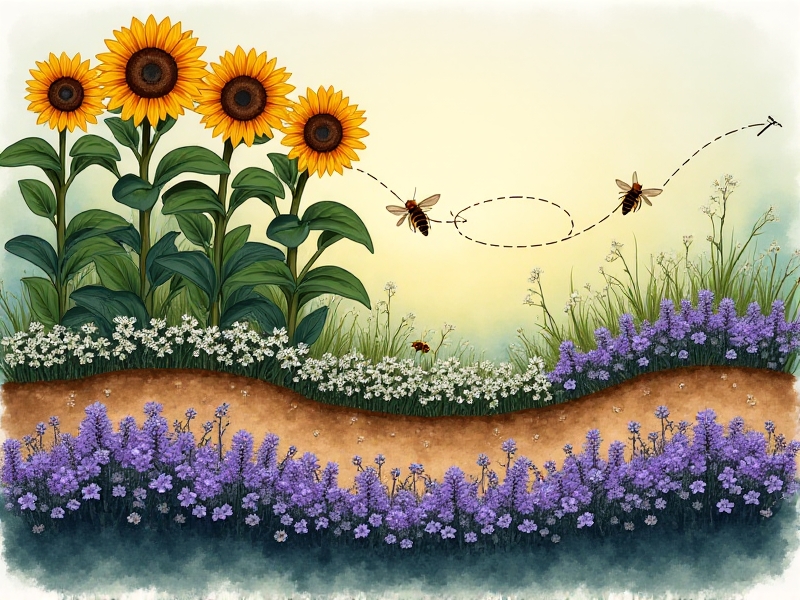
A flower matrix is a strategic arrangement of plants that mimics natural ecosystems through vertical layering and temporal diversity. It typically includes:
- Canopy Layer: Tall perennials like sunflowers and hollyhocks
- Mid-Layer: Compact bloomers such as salvia and coreopsis
- Ground Cover: Creeping thyme or clover
This structure creates microhabitats for different bee species. Bumblebees favor densely packed mid-layer blooms, while solitary bees nest in bare ground between groundcover plants. The matrix approach maximizes space efficiency while providing shelter and varied food sources.
Curating Plants for Continuous Bloom
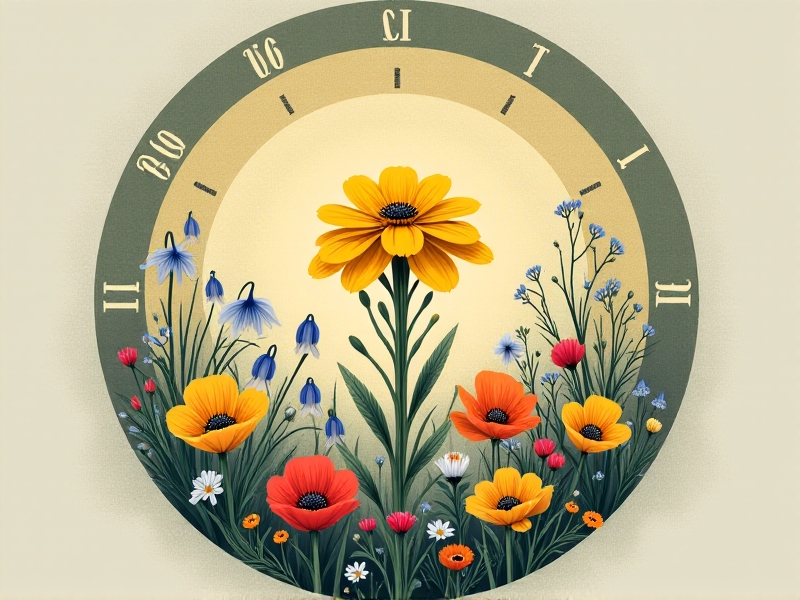
Successful matrices require careful plant selection across seasons. Consider these bloom sequences:
| Season | Early Bloomers | Mid-Season | Late Bloomers |
|---|---|---|---|
| Spring | Crocus, Willow | Lupine, Chives | Foxglove, Sage |
| Summer | Bee Balm, Lavender | Coneflower, Mint | Phacelia, Anise Hyssop |
| Fall | Goldenrod, Sedum | Asters, Joe-Pye Weed | Sunflower, Witch Hazel |
Prioritize single-petal varieties over double blooms, which often produce less nectar. Include night-blooming flowers like moonflower to support crepuscular pollinators.
Design Principles for Functional Beauty
Effective matrix designs balance aesthetics with ecological function. Follow these guidelines:
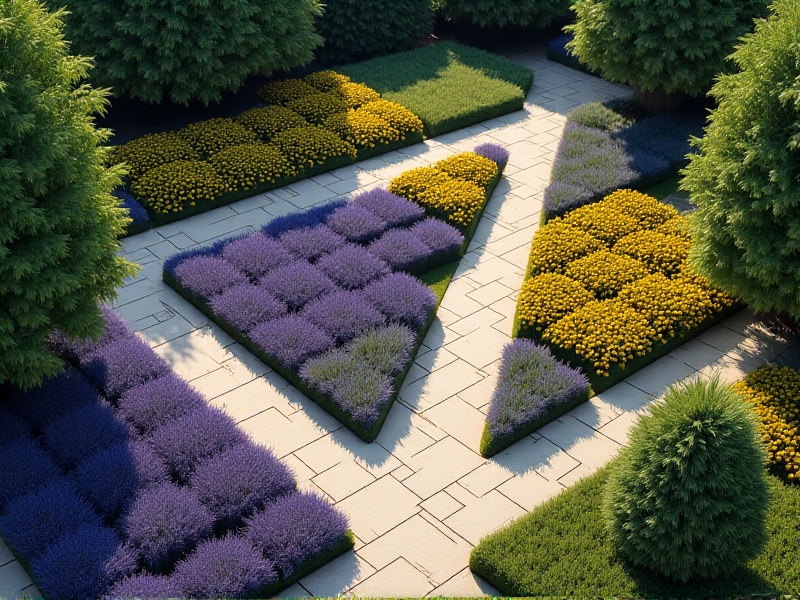
- Color Coding: Group blue, purple, and yellow flowers—bee favorites—in visible clusters
- Drift Planting: Use irregularly shaped blocks of each species (minimum 3x3 feet)
- Edge Effects: Plant creeping rosemary or thyme along pathways to define spaces
Incorporate bare soil patches and dead wood piles for nesting sites. A small water feature with pebble landing pads provides essential hydration.
Sustaining Your Living Pollinator Sanctuary
Maintain your matrix with these eco-friendly practices:
- Use drip irrigation to conserve water and prevent flower damage
- Apply compost tea instead of synthetic fertilizers
- Hand-remove invasive weeds to avoid herbicide use
Allow some plants to go to seed in fall—seed heads provide winter food for birds and nesting material for leafcutter bees. Rotate annual plantings annually to prevent soil depletion.
Amplifying Impact Through Community Action
Transform neighborhoods into pollinator corridors by:
- Hosting seed swap events with matrix planting kits
- Partnering with schools to create educational gardens
- Advocating for municipal policies that support urban meadows
Track progress using citizen science apps like iNaturalist. Share seasonal photos with #FlowerMatrix to inspire others.