Backyard CSA Model Legal Considerations
Understanding Zoning Laws and Residential Agriculture

Launching a backyard CSA requires a deep dive into local zoning ordinances. Many residential areas have strict rules about land use, prohibiting commercial activities in neighborhoods. However, urban agriculture is gaining traction, prompting cities to update policies. Research whether your municipality allows small-scale farming, sales, or customer pickups on residential properties. For example, some areas permit gardens but ban signage or frequent visitor traffic. Apply for a variance or special-use permit if needed, and document approvals to avoid fines. Homeowner associations (HOAs) add another layer—review covenants to prevent conflicts over aesthetics or noise. Proactively addressing zoning hurdles ensures your CSA operates within legal boundaries while fostering community support.
Navigating Business Licensing and Permits
Even small-scale CSAs must comply with business licensing requirements. Determine whether your operation qualifies as a hobby or commercial venture—this affects tax filings and permits. Most localities require a general business license for selling produce, while others mandate specific agricultural certifications. If processing goods (e.g., jams), commercial kitchen certifications may apply. Check state-level cottage food laws, which often exempt low-risk items from rigorous inspections. Display permits visibly at pickup sites, and renew them annually. Ambiguity in licensing can lead to shutdowns, so consult your county’s Small Business Development Center for guidance tailored to agribusiness models.
Mitigating Liability Risks
Liability is a critical concern when inviting members onto your property or distributing food. General liability insurance protects against slip-and-fall accidents or claims of foodborne illness. Require members to sign waivers acknowledging inherent risks of farm visits and fresh produce. If employing workers, secure workers’ compensation coverage. Product liability becomes crucial if selling value-added items like herbal teas—ensure proper labeling with ingredients and disclaimers. Consult an attorney to draft airtight agreements that shield personal assets while maintaining transparency with members.
Crafting Member Agreements
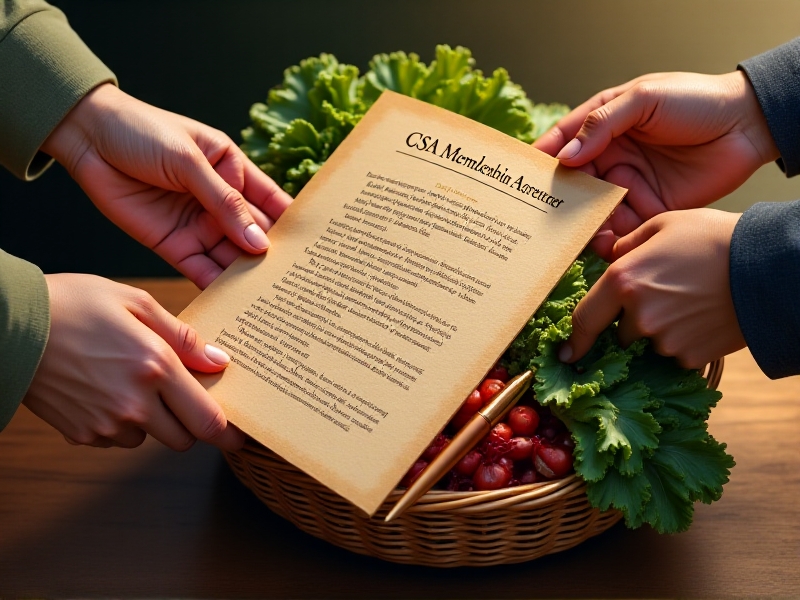
Clear member agreements set expectations and prevent disputes. Outline payment timelines (upfront vs. installments), delivery schedules, and policies for missed pickups. Address crop failures by explaining substitution practices or partial refunds. Include opt-out clauses for extreme weather or pests. Specify whether members must contribute labor—a common CSA feature—and detail safety protocols. Digital signing platforms streamline this process while creating enforceable records. Transparent contracts build member loyalty and legally safeguard your operations during unforeseen challenges.
Complying with Food Safety Regulations

Food safety laws vary by scale. Small CSAs often qualify for exemptions under the FDA’s Produce Safety Rule, but adhering to Good Agricultural Practices (GAP) boosts credibility. Implement handwashing stations, sanitize harvest tools, and document pest control methods. If using organic labels, maintain USDA certification paperwork. Some states require soil/water testing; share results with members to demonstrate due diligence. While direct sales have fewer hurdles than supermarket distribution, voluntary compliance with higher standards can differentiate your CSA in a competitive market.
Managing Tax Obligations

CSAs face unique tax scenarios. Track income from memberships versus occasional farm stand sales, as tax rates may differ. Deduct eligible expenses: seeds, irrigation supplies, and mileage for CSA-related errands. Depreciation schedules apply to major equipment like greenhouses. If operating at a loss, be prepared to prove profit-seeking intent to avoid hobby loss rules. Sales tax complexities arise when bundling products (e.g., herbs + recipe cards)—consult a CPA familiar with agritourism to optimize filings and avoid audits.
Addressing Land Use and Environmental Laws
Even small plots must comply with environmental regulations. Rainwater harvesting may require permits in drought-prone regions. Restrictions on well usage for irrigation could limit crop choices. Native plant ordinances might affect your ability to remove weeds or plant non-native crops. If composting, follow odor and pest control guidelines to avoid nuisance complaints. Conservation easements on inherited land could restrict commercial activities—always verify deed restrictions before launching your CSA.
Staying Ahead of Regulatory Changes
Agricultural laws evolve rapidly. Subscribe to newsletters from state farm bureaus and groups like the National Young Farmers Coalition. Attend county extension workshops on policy updates. Build relationships with local officials—being first to know about proposed zoning changes allows time to advocate or adapt. Implement a semi-annual legal review, adjusting practices as needed. Proactive compliance turns regulatory challenges into opportunities for establishing your CSA as a community-centric, law-abiding venture.